Skip to content

Search

"online banking"

158 articles found

Account Information Service Provider concept icon

Payment Systems

What are Account Information Service Providers?

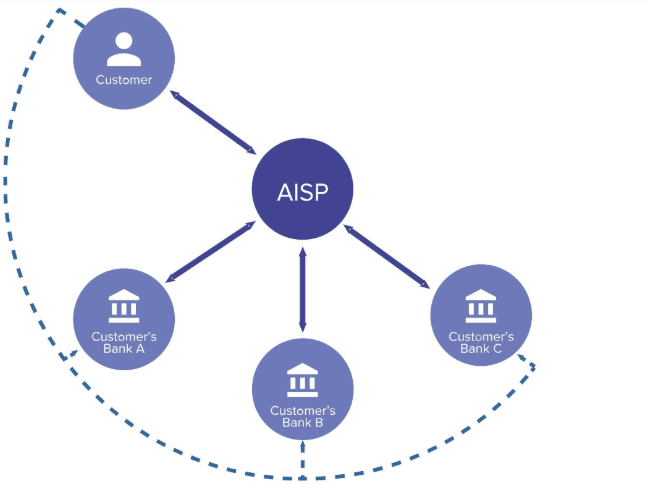
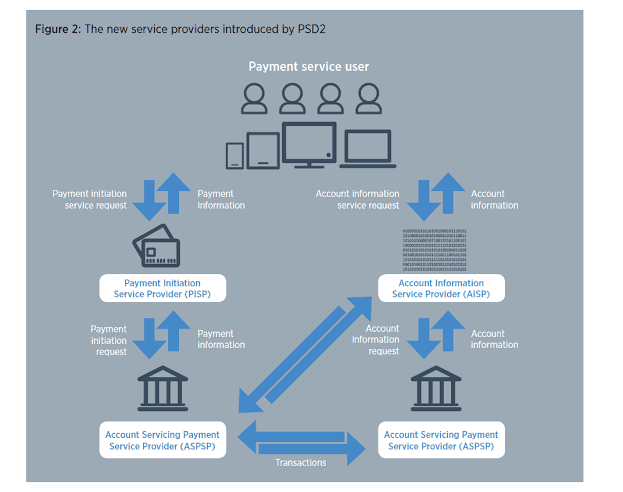
Digital Account Checking underpins many innovative banking and FinTech services. In most cases, it is performed by Account Information Service Providers, which supply data from customers' online bank accounts to other banks and third-party providers.

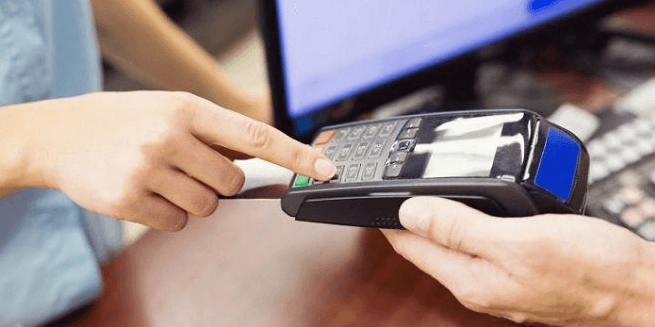
Table of merchant sectors where offline transactions are restricted

Merchant & POS

In Which Sectors Can Offline Transactions Not Be Performed?

An offline transaction is one approved by the card and the POS themselves, without going to any system (the card's bank or the POS's bank), when a chip card transaction is made at a POS. For this reason, some sectors considered risky are restricted.

EMV Lower Consecutive Offline Limit 9F14 illustration

EMV

What Is the Lower Consecutive Offline Limit?

The Lower Consecutive Offline Limit is the maximum number of consecutive offline transactions allowed by the ICC application, as set by the issuer, on a terminal capable of going online. It is sent in tag 9F14.

EMV upper consecutive offline limit

Merchant & POS

What Is the Upper Consecutive Offline Limit?

The Upper Consecutive Offline Limit is the maximum number of consecutive offline transactions allowed by the issuer's chip card application on a terminal that cannot go online. It is held in tag 9F23.

Diagram illustrating the card authorization process

Merchant & POS

What Happens During Authorization?

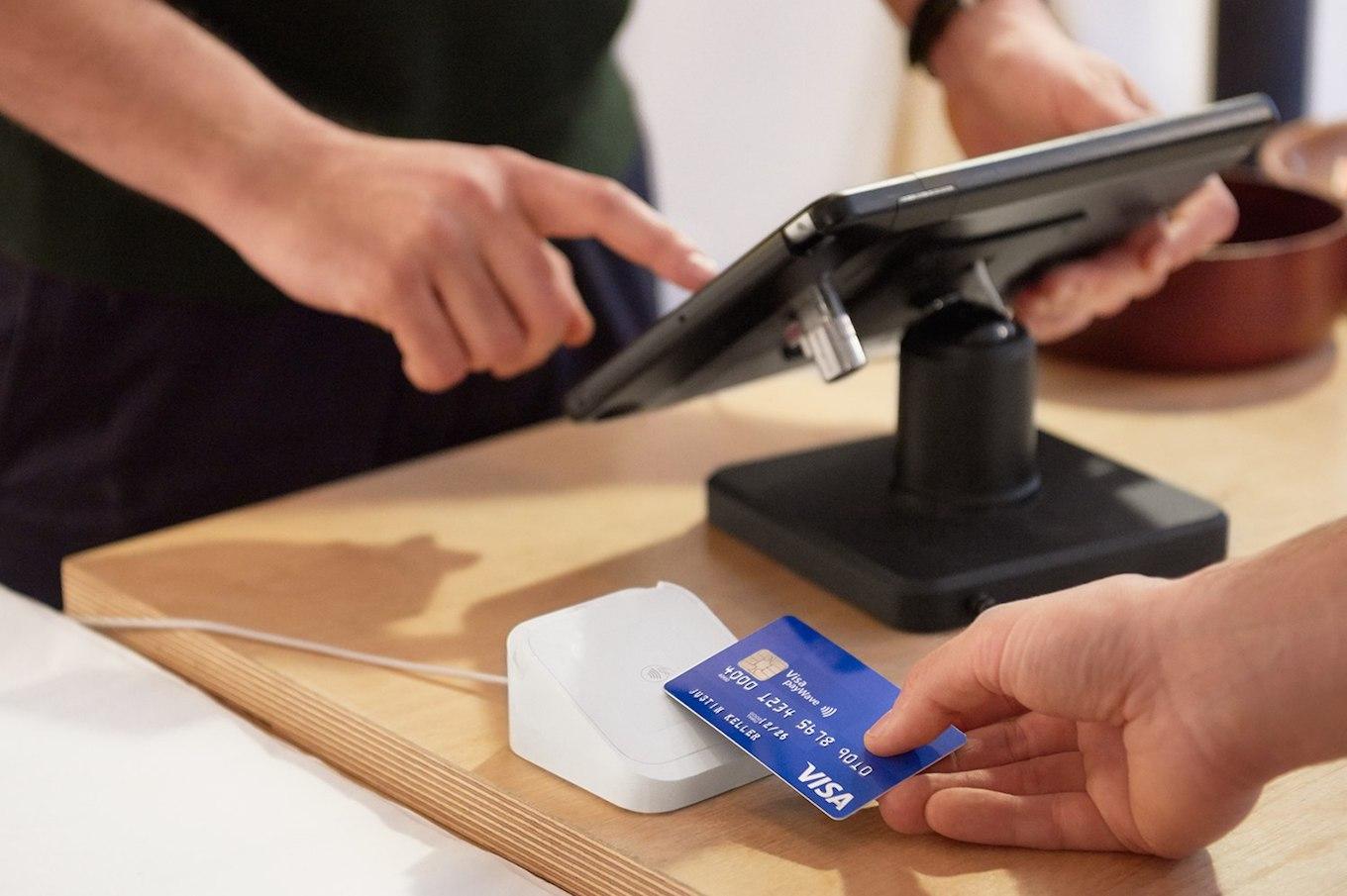
Today, credit cards play an important role in our daily lives. We can carry out almost all of our transactions without carrying cash, using our credit card instead. During a purchase, we hand our card to the cashier and enter our PIN at the POS terminal.

Brick and mortar bank branch illustration

Payment Systems

What Is a Brick and Mortar Bank?

“Brick and mortar” refers to a business's physical presence in a building. In banking, it describes the traditional branch-based model of face-to-face contact between bank and customer.

Illustration of Third Party Provider (TPP) roles in Open Banking, including PISP and AISP

Payment Institutions & E-Money

What is a Third Party Provider (TPP)?

The term 'Third Party Provider' refers to an authorized online service provider introduced under Open Banking. These are systems outside a customer's relationship with their bank that mediate the transaction. So how many types of third party provider are there? Two.

PIN try counter on chip cards

Credit Card

What Is the PIN Try Count?

The PIN Try Count is the maximum number of failed offline PIN verifications that can be made with the card. Banks usually keep both the consecutive wrong PIN count and the maximum wrong PIN count.

Illustration of a point-of-sale terminal checking a card against a warning list

Merchant & POS

What is the Combined Warning List (BUL)?

The Combined Warning List (BUL) lists card numbers the issuer wants blocked (lost, stolen, counterfeit, etc.), which acquiring merchants check within certain limits, at their own risk, when online authorization cannot be obtained.

Diagram illustrating how a POS terminal's floor limit determines offline transaction approval

Merchant & POS

What Is a Floor Limit?

The floor limit is the value held on the POS that determines the maximum amount for which an offline transaction can be approved. It is managed per terminal and can be updated at any time through the POS parameter management system.

Illustration representing the BKM Payment Gateway

Payment Systems

What is the BKM Payment Gateway?

BKM Payment Gateway is the general name for platforms that let government institutions accept card payments through BKM as intermediary. For the first time, SGK and e-Government title deed payments can be made with all banking cards.

Diagram explaining the PAN Sequence Number (PSN) field on a chip card

Credit Card

What Is PSN (PAN Sequence Number)?

A 2-character field written to the card's chip data that increases by 1 with each card renewal, allowing authorization to distinguish between the old and new card. This means that, theoretically, assuming no other conditions prevent it, a...