Skip to content

Search

"smart card"

23 articles found

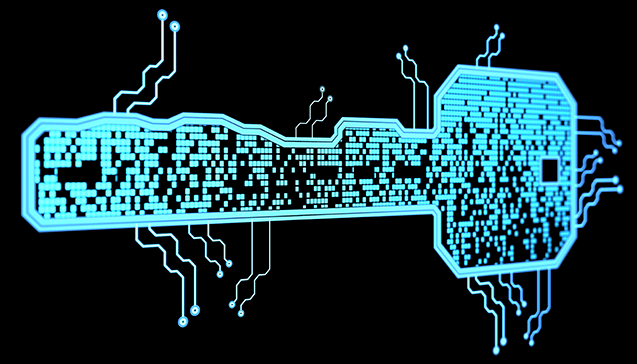
Diagram illustrating the Local Master Key (LMK) concept in an HSM

HSM & Security

LMK (Local Master Key)

LMK stands for Local Master Key. The Local Master Key (LMK) is the HSM's master key, and all other keys used by the institution are secured under this key. As transaction volume increases, banks often use multiple HSMs to reduce the load on each device.
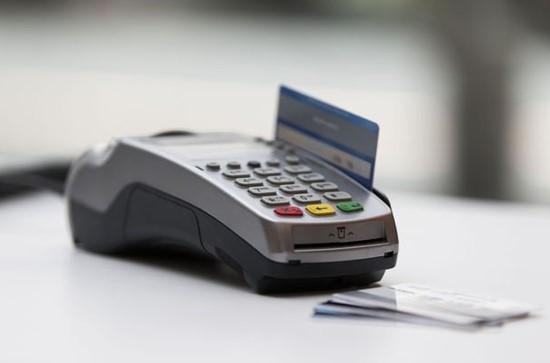
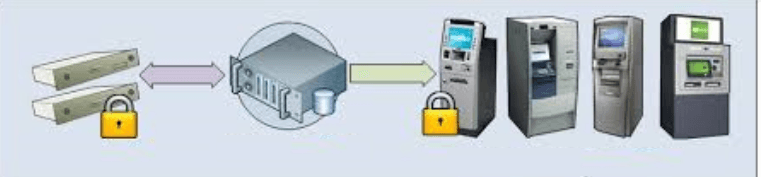
Diagram illustrating the Remote Key Loading (RKL) process

ATM

What Is RKL (Remote Key Loading)?

RKL is the process of distributing a TMK (Terminal Master Key) to each terminal from a central point. It is used to remotely load keys onto POS and ATM devices, loading TMKs onto an ATM's keypad or activating them on a POS.

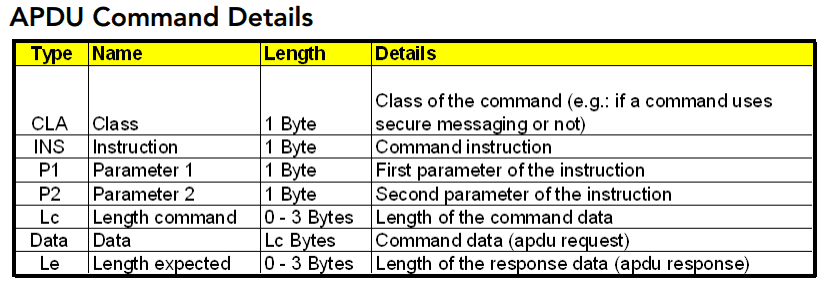
Diagram of the Command APDU structure fields: CLA, INS, P1, P2, Lc, Data Field, Le

Online & Authorization

What is an APDU (Application Protocol Data Unit) Command?

An APDU is an application-level protocol defined in ISO 7816-4 and used between a smart card and a POS, ATM, etc. There are two types of APDU: Command APDU and Response APDU. The structure of the APDU is given below.

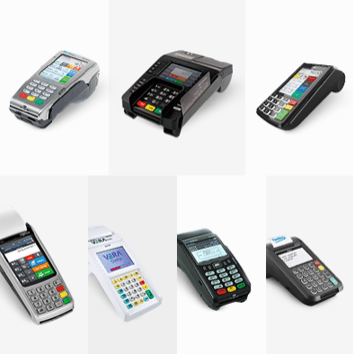
Illustration depicting digital POS payment terminals

Merchant & POS

What is Digital POS?

The digital form of Point of Sale (POS) systems is called Digital POS. There is also a software-only subtype called Virtual POS. After Mobile POS (mPOS) and Virtual POS usage became widespread, the term digital POS came to refer to these two products.

Table listing the EMV chip specifications used by Visa, Mastercard, American Express, JCB, Discover, and UnionPay

EMV

What are EMV Schemes?

EMV standards form the foundation for chip cards to work on terminals worldwide, but each scheme - VSDC (Visa), M/Chip (Mastercard), AEIPS (Amex), J Smart (JCB), D-PAS (Discover), and UICS (UnionPay) - defines its own keys, rules, and card profiles.

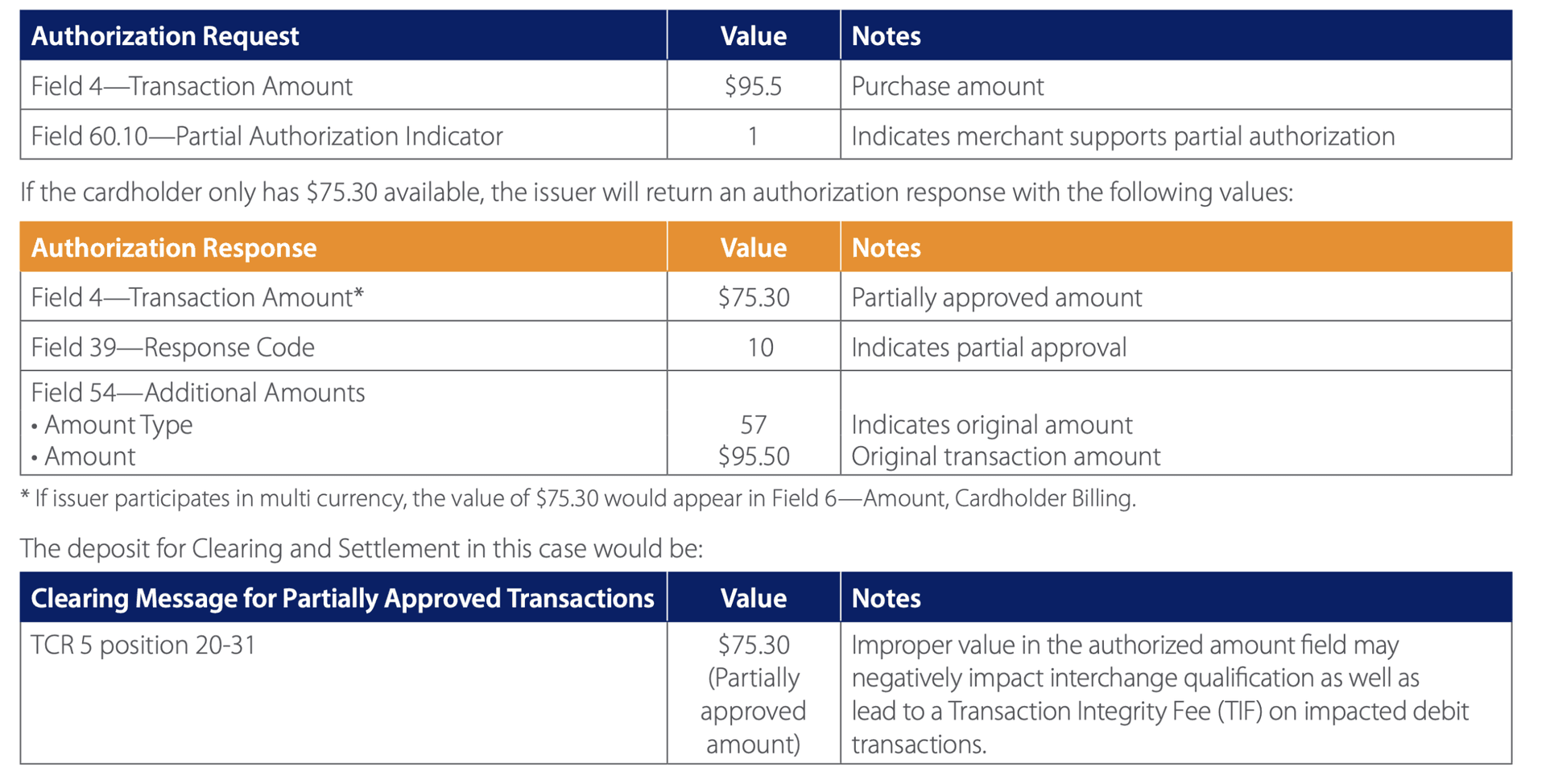
Illustration of a card payment approved for a partial amount

Merchant & POS

What Is Partial Authorization?

Partial Authorization lets an issuer approve part of a transaction instead of declining it when the balance or limit is insufficient. This post covers how it works in ISO 8583, whether it is mandatory, and why it matters for the business.

Illustration of digital transformation in payment systems

Merchant & POS

How Digital Are You in Payment Systems?

Digitalization has brought major change to payment systems, just as it has to every area of our lives. Its biggest impact has been turning the financial world into something virtual, spanning IoT, mobile payments, blockchain and biometrics.

Illustration of an AI-based payment agent making payments automatically on behalf of a user

Payment Systems

What Are AI-Based Payment Agents?

Digitalization keeps changing the speed and shape of payments. AI-based payment agents pay on their own within user-defined limits and rules, completing transactions without the user initiating any action. This post explains how they work and what to watch for.

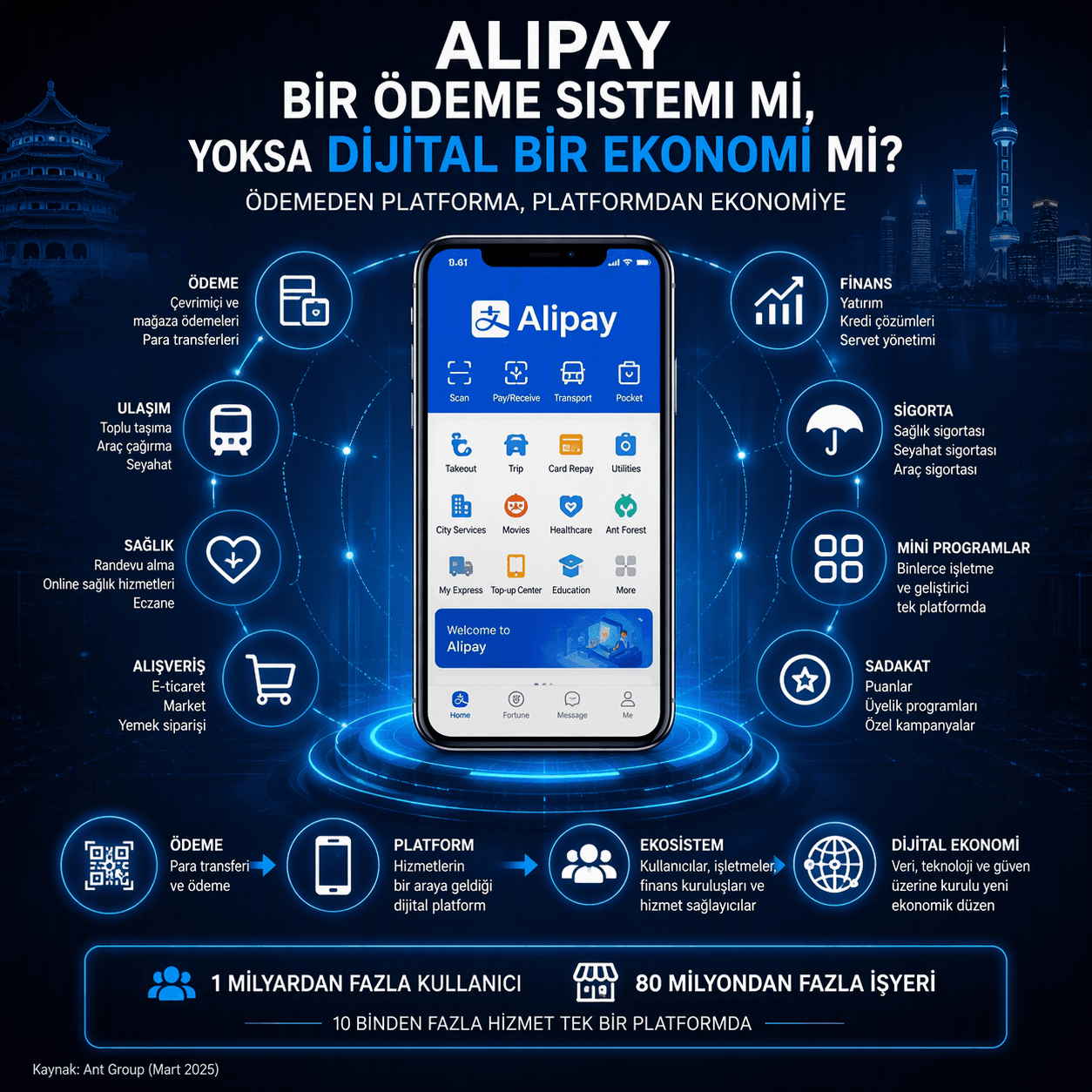
Illustration of the Alipay super app connecting payments, merchants and financial services

Closed-Loop Payments

Alipay: Payment System or Digital Economy? | Closed-Loop Payments #5

Is Alipay a payment system, or a digital economy? In the previous post we discussed how Starbucks shows that payment systems can evolve into a different structure. At first the goal was to make payment easier for the customer. As the system grew, loyalty programs...

Ingenico POS terminal illustrating POS brand and model

Merchant & POS

What does POS brand and model mean?

Just like a car, a POS device has a brand and a model, for example Ingenico ICT220 or Ingenico ICT250. Each model differs from the others: some have a contactless reader while others may not, and screens, memory and features vary.