Skip to content

Search

"tokenization"

28 articles found

Illustration representing an AI agent making a payment

Agentic Commerce

Agentic Commerce Series – Part 4

Are We Ready to Give an AI Agent the Authority to Make Payments? Having long looked at complaint and dispute processes in payment systems, I think granting an agent payment authority is far different from research or product selection.
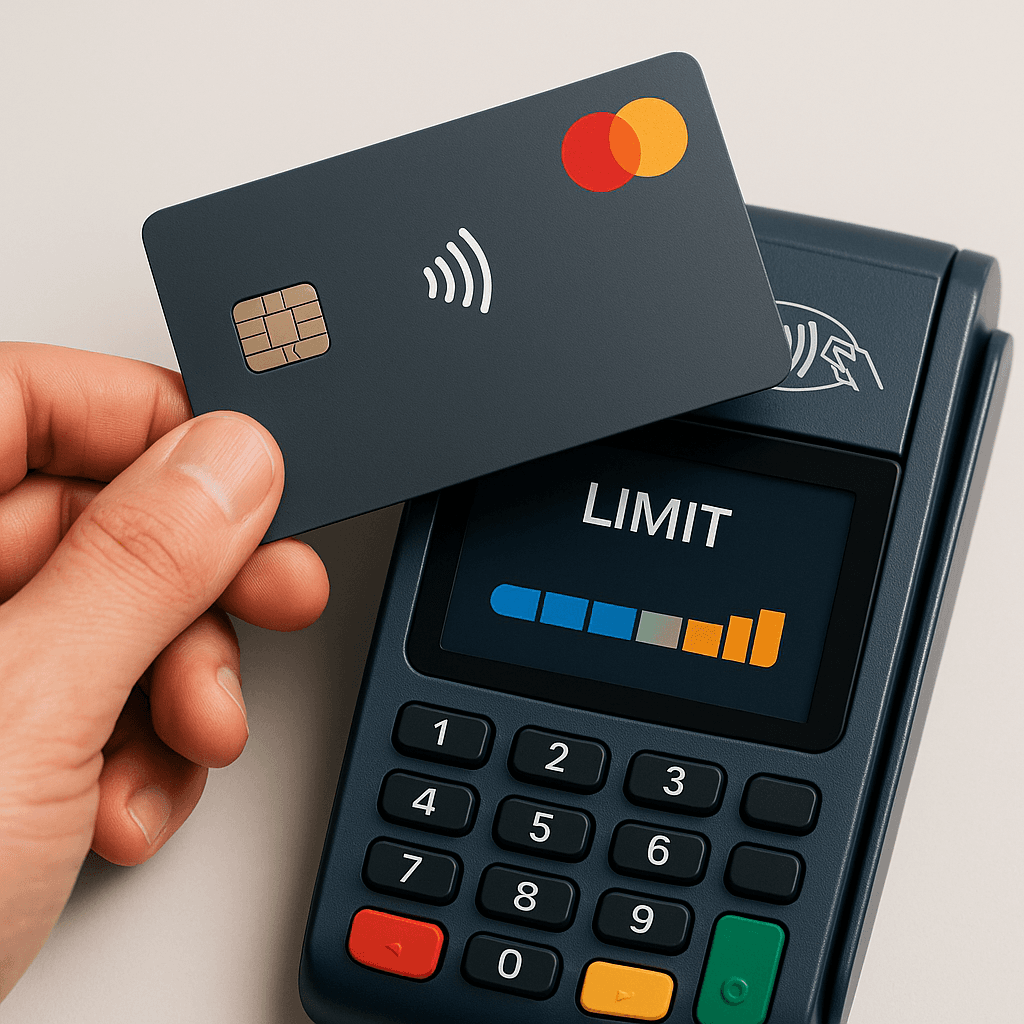

Illustration of dynamic CVM limit management for contactless card payments

Payment Systems

Dynamic CVM Limit Management Approach: A New Era in Card Security

One of the most notable recent developments in card payments is that contactless limits are no longer fixed and can be managed dynamically per customer. Mastercard and Visa are taking different but complementary approaches, and ISO 8583 may need to evolve with them.

Architecture diagram of the Visa EAS Server within the Visa Secure 3-D Secure authentication flow

EMV

What Is the Visa EAS Server?

The Visa EAS Server (Extended Access Service) is a server used in Visa’s authentication infrastructure. It was developed to run the cardholder authentication process securely between banks and the Visa network, particularly within Visa Secure (3-D Secure 2.x).

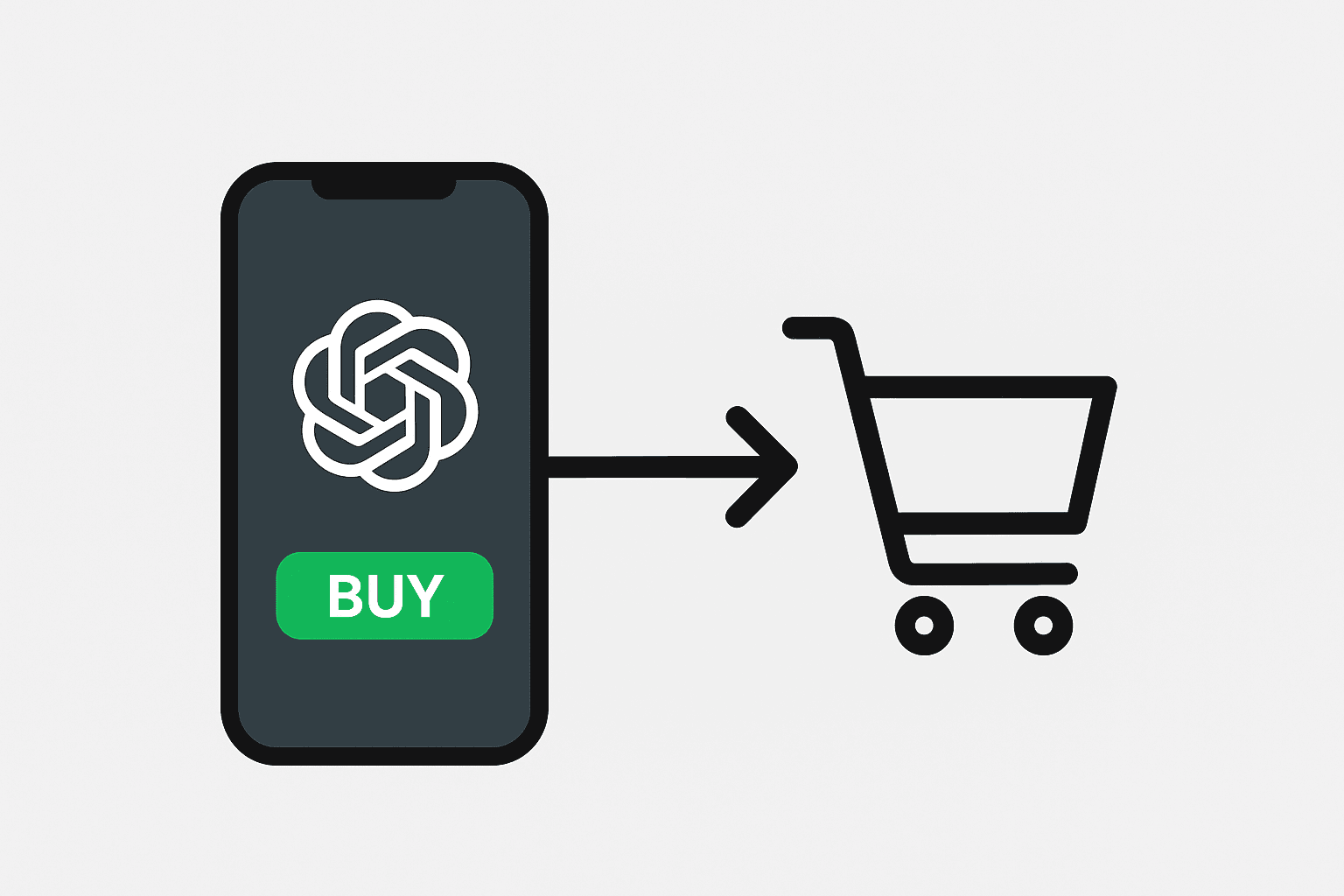
Illustration of ChatGPT Instant Checkout and the Agentic Commerce Protocol

Online & Authorization

Shopping Directly from ChatGPT: A New Era with Agentic Commerce

OpenAI and Stripe announced the Agentic Commerce Protocol (ACP), with Instant Checkout live on Etsy and Shopify in the US. What this means for payment facilitators and e-commerce platforms, and what may come beyond one-click checkout.

Illustration of an AI-based payment agent making payments automatically on behalf of a user

Payment Systems

What Are AI-Based Payment Agents?

Digitalization keeps changing the speed and shape of payments. AI-based payment agents pay on their own within user-defined limits and rules, completing transactions without the user initiating any action. This post explains how they work and what to watch for.

Illustration for a glossary of cryptocurrency terms such as Bitcoin, blockchain and mining

Cryptocurrency

What Are the Terms Used in the Cryptocurrency World?

Cryptocurrencies are becoming part of everyday life and are expected to compete seriously with card payments. This glossary explains the key crypto terms, from address, altcoin and arbitrage to halving, mining, proof of stake and stop-loss.

PCI DSS Qualified Security Assessor illustration

Security

What Is a Qualified Security Assessor (QSA)?

A Qualified Security Assessor (QSA) is a person approved by the PCI Security Standards Council to audit merchants for compliance with the Payment Card Industry Data Security Standard.

Cover of the EMVCo Software-based Mobile Payment Security Requirements document

Security

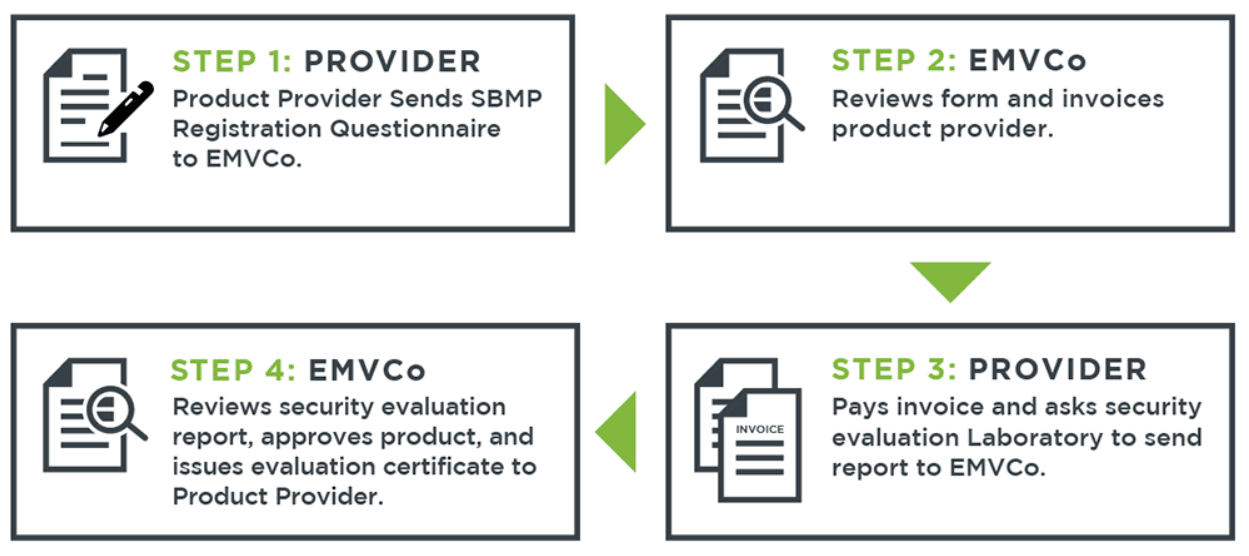
What is Software-based Mobile Payment Security Requirements?

“Software-based Mobile Payment Security Requirements” is a document published by EMVCo in April 2020 to guide payment application developers in building secure payment applications. This post summarizes its purpose and who it concerns.

Illustration representing digital payment methods such as cards and mobile wallets

Merchant & POS

What is Digital Payment?

Payments made over the internet are called digital payments. Card payments, cryptocurrency, and online banking transfers all fall within the scope of digital payment, along with mobile wallets and QR code payments.

Payment card being checked against a card recovery bulletin of problem cards

Merchant & POS

What Is a Card Recovery Bulletin (Card Protection Bulletin)?

A Card Recovery Bulletin is a list of problem cards (lost, stolen, expired, over-limit, counterfeit or otherwise flagged) published by card schemes such as Visa or MasterCard. It shows whether a card number is listed on the date of purchase.

Illustration showing how an Application Identifier (AID) is used in a chip card transaction

EMV

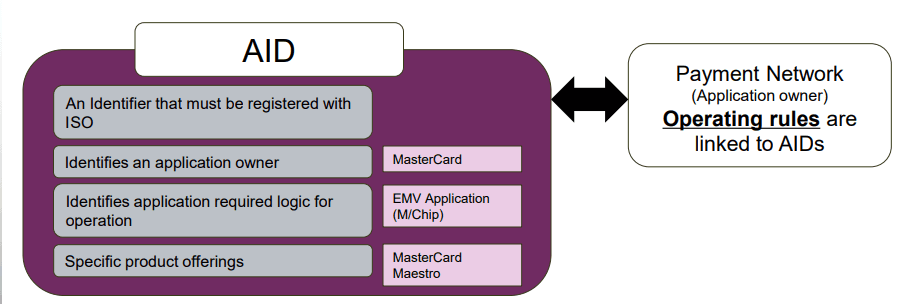
What is an Application Identifier (AID)?

The AID tells the terminal which applications are present on a chip during a POS or ATM transaction. What does the AID do? It lets the terminal determine whether it supports an application on the chip. In Tag 9F06, it is 5-16 digits long.

Diagram illustrating the EMV Tag-Length-Value (TLV) data structure used in card transactions

Online & Authorization

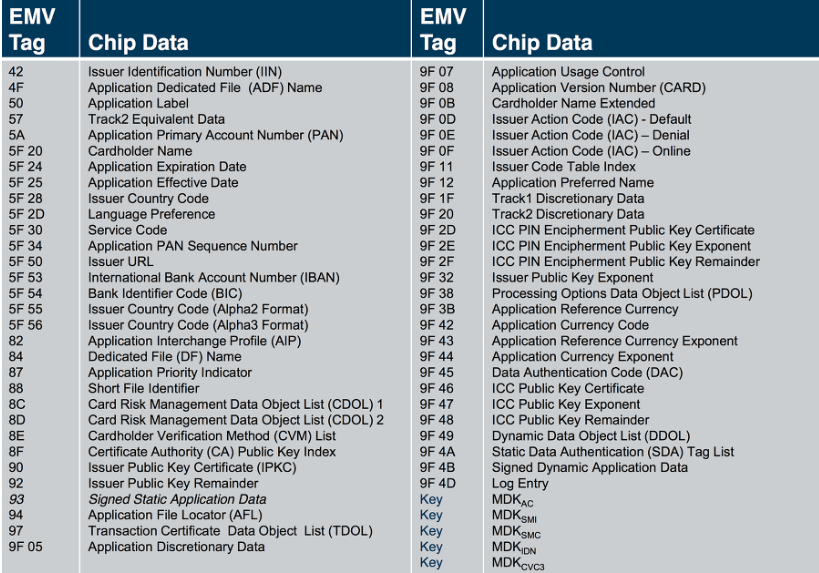
What are EMV Tags?

In EMV, data is stored in Tag-Length-Value (TLV) format, and it is carried between the card, the POS terminal, and the authorization system in this same format. This post lists every EMV Tag, its type, and its description.