Merchant & POS
What Is a Batch Number?
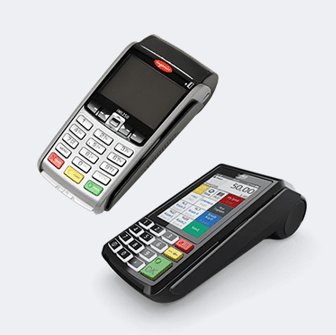
The batch number is kept on the POS, incremented by 1 at each end of day, used to transfer transactions to the merchant account and for reconciliation. It's tracked on both the POS and the bank's system.
Search
86 articles found
Merchant & POS
The batch number is kept on the POS, incremented by 1 at each end of day, used to transfer transactions to the merchant account and for reconciliation. It's tracked on both the POS and the bank's system.
Credit Card
Many people who appear as credit card victims in the news and on social media run into trouble because they think their credit limit is unlimited and forget it must eventually be repaid. A credit card is the best payment instrument, if you know how to use it.

ISO 8583
F45 (TRACK-1 DAT) carries the Track 1 data of the card in ISO 7813 format, including field separators and start and end sentinels but excluding the LRC character. It is 76 characters long.
Merchant & POS
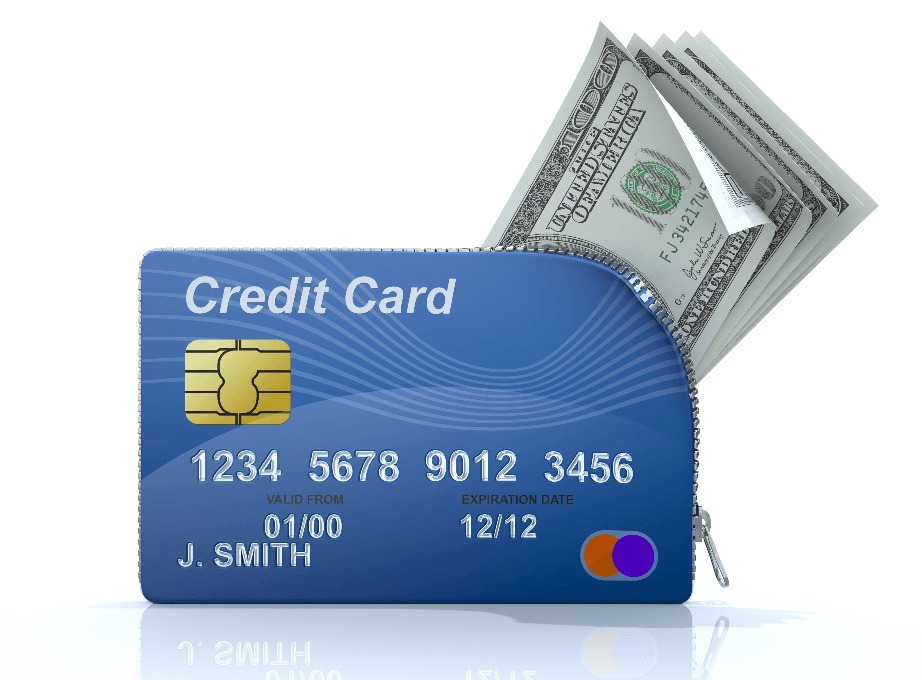
Loyalty points are promotional rewards banks give customers for credit card transactions, tracked on a card/customer basis. Banks charge merchants a commission on POS transactions, and some share part of that commission with cardholders as points.
Payment Systems
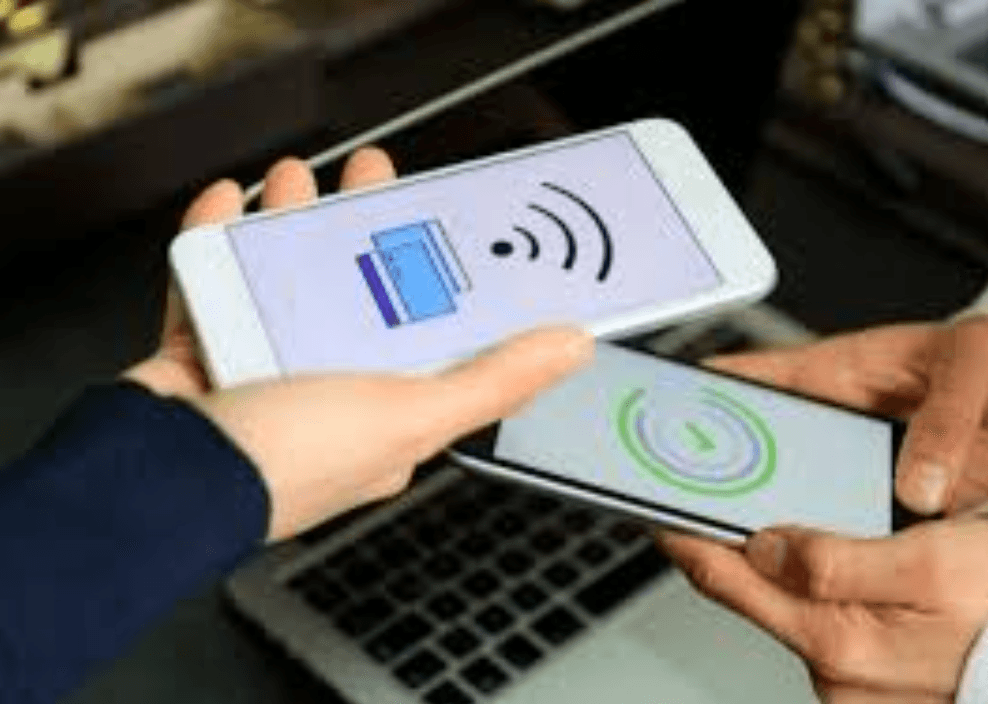
The BRSA has introduced a regulation to reduce paper use in POS devices. Cardholders who do not want a paper receipt for card purchases will be able to receive and store it digitally, with the rules taking effect in September and December 2023.
Merchant & POS
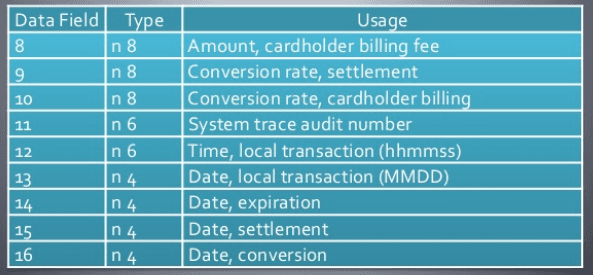
The System Trace Audit Number (STAN) is a number assigned by the third-party system (ATM or POS) to help uniquely identify a transaction. It is generated in the range 000001 to 999999. Each new authorization message needs a new STAN; retries reuse the original STAN.
Credit Card
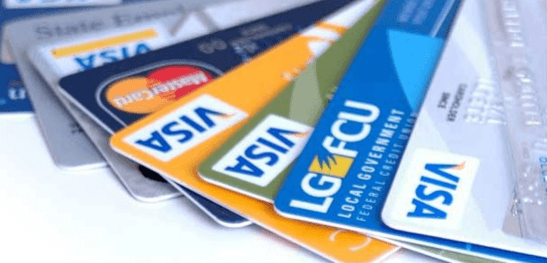
With the advancement of technology, the use of credit cards in online transactions and the variety of payment methods have increased. To make an online transaction with a credit card, you need: Card Number, Expiration Date, and CVV2 (the 3-digit number on the back of the card).

E-commerce
In recent years, data exchange over wireless mobile devices has become much faster and more secure. In 2019, mobile devices were used in 54.5 percent of purchases made by e-commerce users. With the steady growth in mobile users, mobile commerce keeps gaining ground.
Merchant & POS
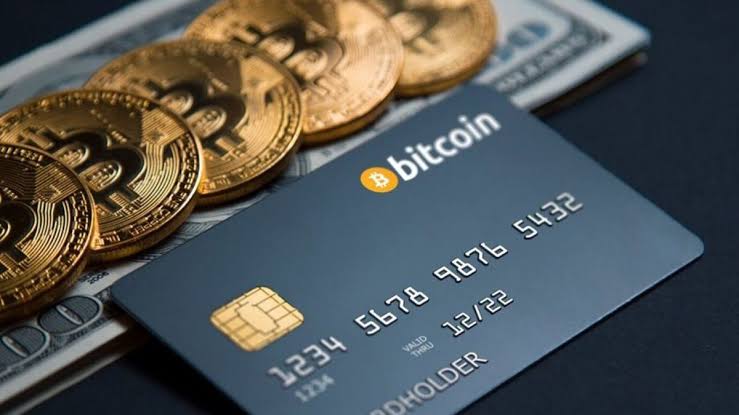
The Regulation on the Non-Use of Crypto Assets in Payments, published in the Official Gazette on 16 April and effective from 30 April, looks set to seriously affect cryptocurrency developments in Turkey. Here are its key points and the full text.
ISO 8583
F35 TRACK-2 DATA: The values printed to the card's Track 2 data in ISO 7813 format, including field separators and start/end sentinels, but excluding LRC (Longitudinal Redundancy Check) characters. It is 37 characters long.
ISO 8583
DE 11 - SYSTEMS TRACE AUDIT NUMBER: A 6-digit unique numeric value generated by the message originator, enabling unique tracking of the transaction. How is STAN generated?
Credit Card
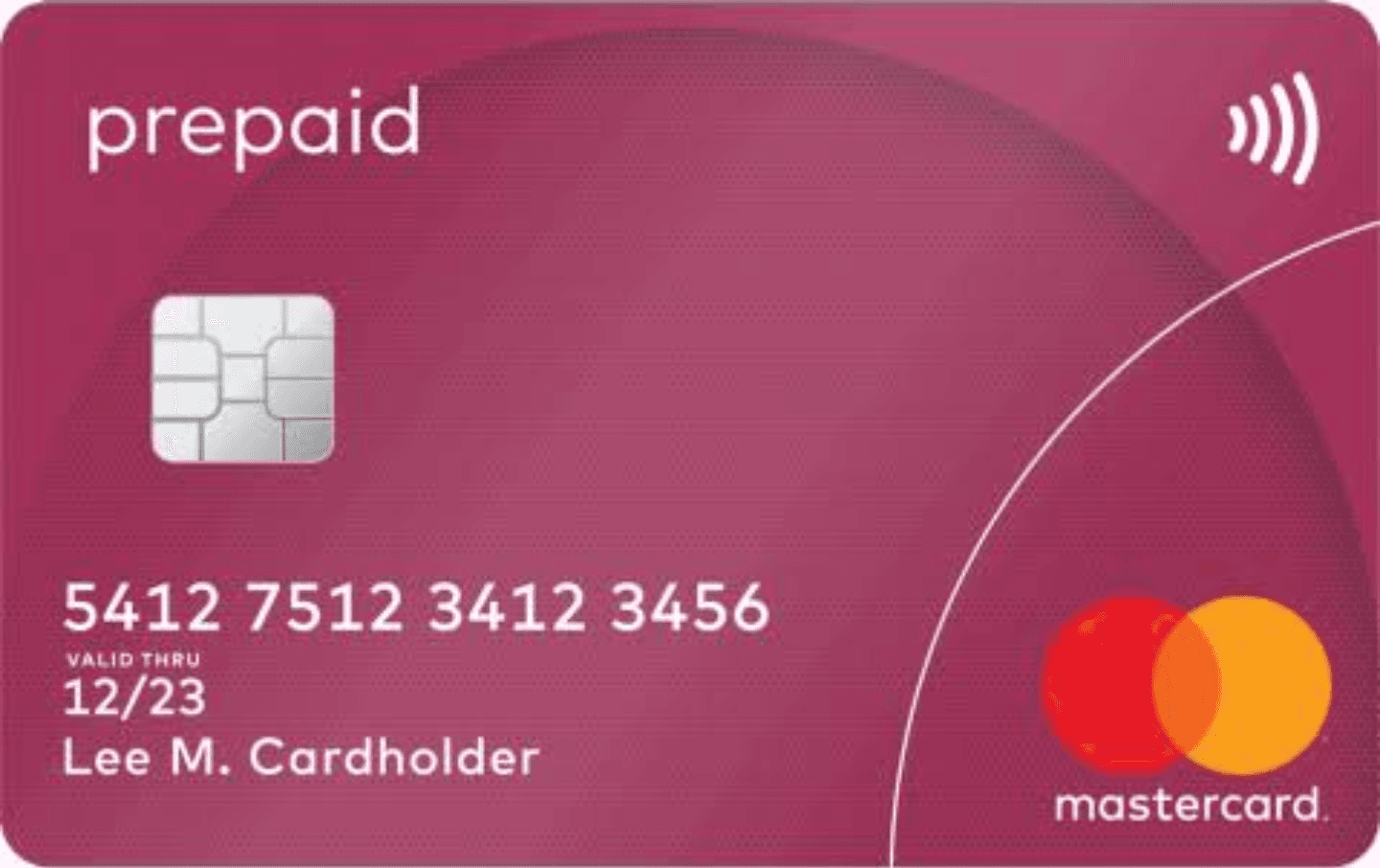
A prepaid card may look like a debit card since it has no predetermined limit and purchases are limited to the amount loaded by the cardholder, but in terms of use and operating logic it differs significantly from both credit and debit cards.