Skip to content

Search

"Cardholder Verification"

69 articles found

Diagram illustrating how a transaction's 3D Secure authentication level is determined

3D Secure

How is a transaction's 3D Secure level determined?

Especially with the growth of the internet, credit card transactions have started shifting from physical POS terminals to virtual POS terminals. In virtual transactions, the 3D Secure structure is used instead of the card PIN entered in physical transactions. So how is a transaction's…

Table of CAVV result codes and what they mean for merchants

Merchant & POS

What is CAVV? What is AAV?

CAVV and AAV are verification codes used in 3D Secure transactions to ensure transaction integrity and security. CAVV is used by Visa, while AAV is used by Mastercard.

Diagram explaining PVKI and PVV calculation in card PIN verification

Credit Card

What Is PVKI (PIN Verification Key Index)?

PVKI is the abbreviation for PIN Verification Key Index. It is located within the card's Track 1 and Track 2 data and is used in PVV calculation. It can take values from 1 to 6, usually defaulting to 1.

Credit card and smartphone illustrating online card payments without physically presenting the card

Credit Card

Do I have to use my physical card when shopping?

In the early years of credit cards, using the card physically was mandatory. With the internet and new technologies, we can now pay with only the card details, 3D Secure and contactless NFC payments, even without the card in hand.

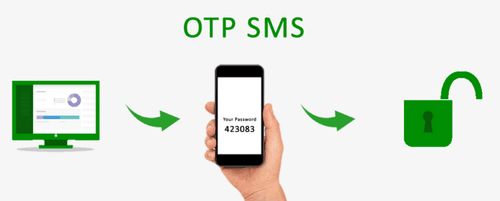
OTP SMS service icon illustrating one-time password delivery

Security

What Is OTP? What Is Its Role in End-to-End Security?

With Chip&Pin technology, card PINs and chip-based transactions became widespread. As online shopping grew, strengthening the security of these transactions became a necessity, and OTP began providing that transaction security.

Example of a 3D Secure verification screen displaying a Personal Assurance Message

Security

What is PAM (Personal Assurance Message)?

PAM (Personal Assurance Message) is a message that users set up for 3D Secure transactions. It appears on the password screen during checkout and confirms to the user that the screen truly comes from their own bank.

GO Secure Payment logo

Merchant & POS

What Is Secure Payment (GO)?

GO Secure Payment is a system developed by BKM that verifies cardholders using a one-time password (OTP) during online purchases made with TROY cards, providing banks with a secure verification platform without needing to store card data.

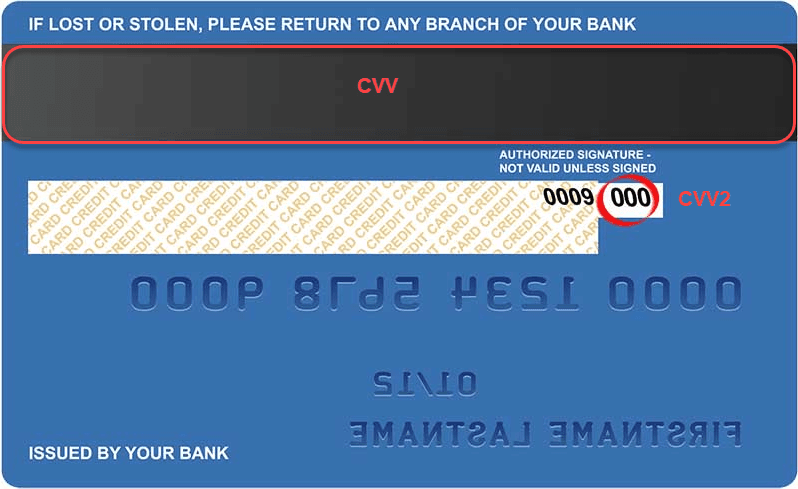
Comparison chart showing the differences between CVV and CVV2 security codes

Credit Card

What Is the Difference Between CVV and CVV2?

CVV (CVC) and CVV2 (CVC2) are two terms that cardholders often confuse. Both are used for verification in card transactions, but there are notable differences between them, such as where each is printed and which transactions use it.

Payment card being checked against a card recovery bulletin of problem cards

Merchant & POS

What Is a Card Recovery Bulletin (Card Protection Bulletin)?

A Card Recovery Bulletin is a list of problem cards (lost, stolen, expired, over-limit, counterfeit or otherwise flagged) published by card schemes such as Visa or MasterCard. It shows whether a card number is listed on the date of purchase.

Online mail order payment form being filled out on a laptop

Merchant & POS

What is the risk of mail order transactions for merchants?

Mail order transactions are preferred by cardholders because they only block the card limit by the installment amount, creating a sales opportunity for merchants. But is the remaining balance guaranteed?

Credit card used for a mail order transaction

Credit Card

Which Cards Can I Use for Mail Order Transactions?

Debit cards and prepaid cards are generally closed to mail order transactions. Mail order authorization is held on credit cards. Unless specifically requested at application, a card is issued closed to mail order transactions.

Architecture diagram of the Visa EAS Server within the Visa Secure 3-D Secure authentication flow

EMV

What Is the Visa EAS Server?

The Visa EAS Server (Extended Access Service) is a server used in Visa’s authentication infrastructure. It was developed to run the cardholder authentication process securely between banks and the Visa network, particularly within Visa Secure (3-D Secure 2.x).