Skip to content

Search

"POS limits"

87 articles found

Illustration of voice shopping and mobile payments with Mastercard

Merchant & POS

MasterCard Is Getting Ready for Voice Shopping

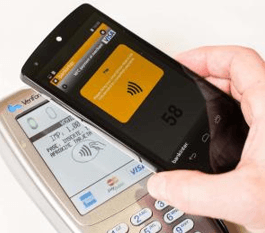
Payment systems once meant a physical card and a PIN on a POS device. Digitalization that began with contactless transactions has accelerated with mobile payments, and MasterCard is now working on voice shopping and Soft POS in Turkey.

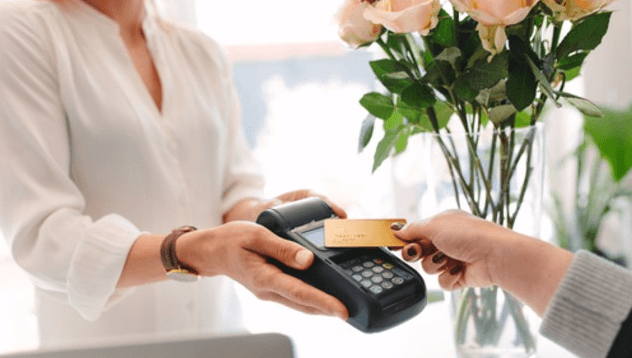
Diagram of the online authorization flow for below-CVM-limit contactless transactions

Payment Systems

Domestic Flow Change Made for Below-CVM-Limit Online Contactless Transactions

The domestic authorization flow for below-CVM-limit online contactless transactions has changed. Issuers can now ask the cardholder for a PIN or request card insertion instead of simply approving or declining. This post explains the CVM list and the new DE48 PDS22 and DE39 = 65 message flows.

Diagram showing how pre-authorization blocks a card's available limit

Credit Card

Which Cards Can Be Used for Pre-Authorization?

Pre-authorization reduces the merchant's risk by blocking part of the card's limit for a set period. Since a credit card has a defined limit, an amount can be blocked against it. ATM cards and prepaid debit cards have no such limit to block.

Diagram explaining ISO 8583 message types 200 and 210

Payment Systems

What Are 200 and 210 Messages Used For?

Message 200 is generated for transactions initiated from POS applications, and the acquiring bank responds with message 210. Learn how 100/110 messages route approvals via the issuing bank, and common rejection reasons.

Credit card being presented at a POS terminal for a pre-authorization transaction

Merchant & POS

Is a Card Required for a Pre-Authorization Transaction?

Whether a card is required for a pre-authorization transaction depends on the type of POS used. On a physical POS, the card must be swiped or inserted to start the transaction. On a virtual POS, entering the card details manually is enough.

Illustration of a card payment approved for a partial amount

Merchant & POS

What Is Partial Authorization?

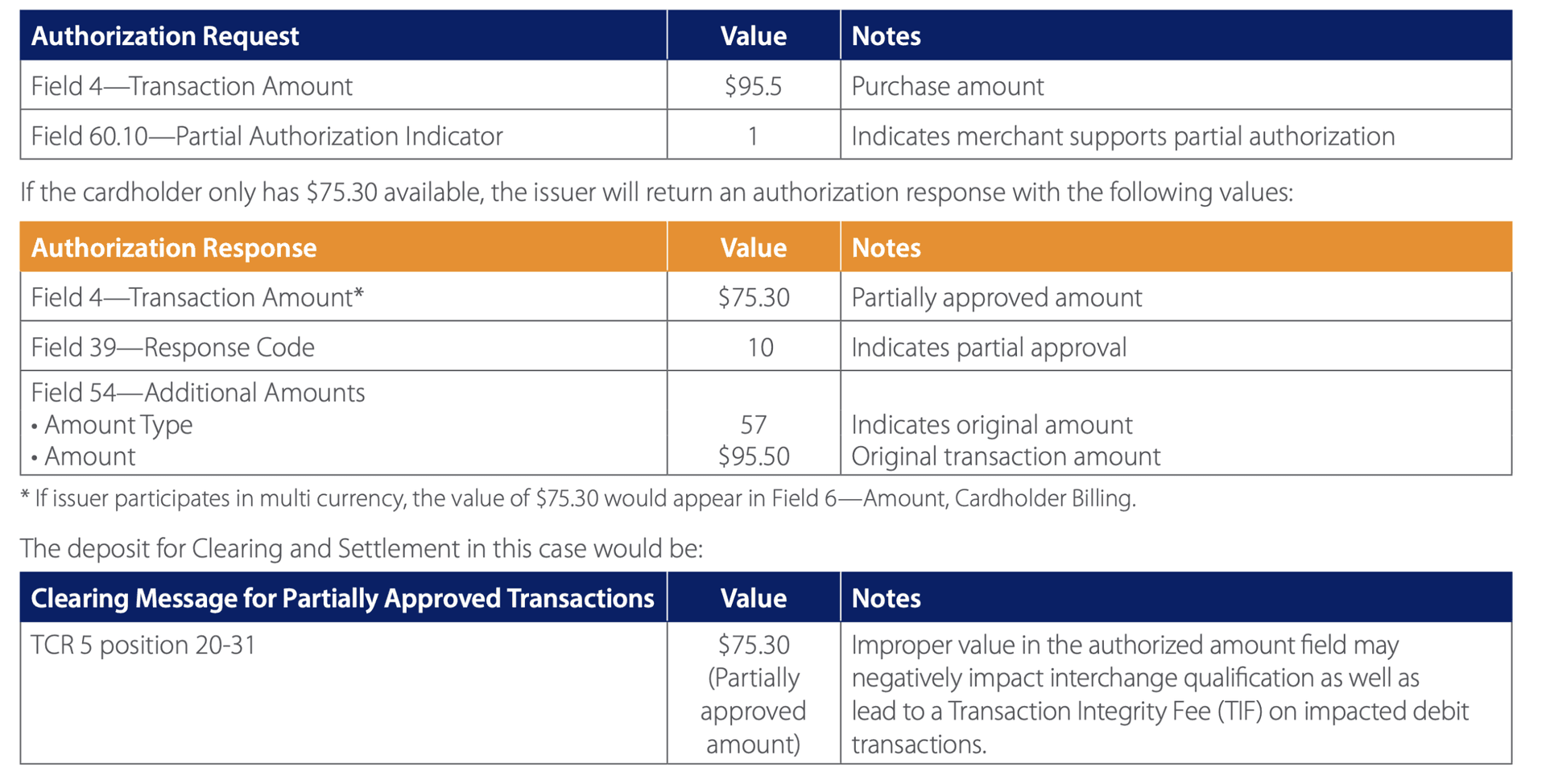
Partial Authorization lets an issuer approve part of a transaction instead of declining it when the balance or limit is insufficient. This post covers how it works in ISO 8583, whether it is mandatory, and why it matters for the business.

Diagram illustrating the ISO/IEC 14443 contactless card communication standard

HCE

What Is the ISO/IEC 14443 Standard?

An international standard that defines proximity cards used in Near Field Communication (NFC) and the protocols used to communicate with them. It has 4 parts; Part 4 covers NFC and HCE operations.

Illustration explaining how NFC technology enables contactless payments

HCE

What Is NFC?

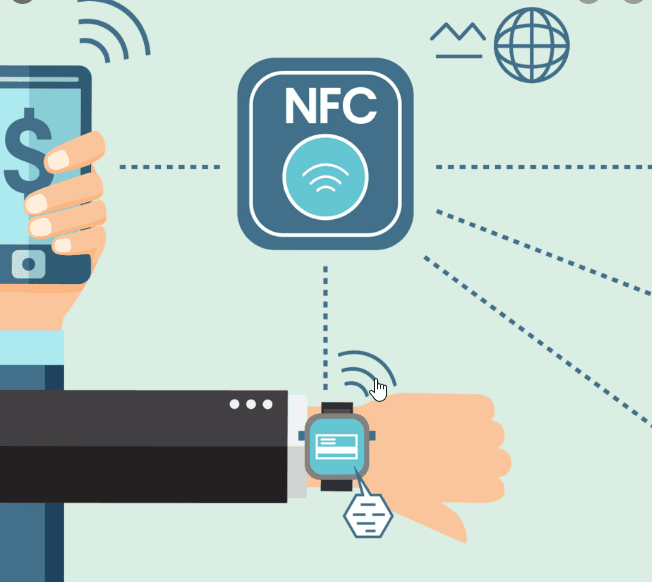
NFC, known as Near Field Communication, is a technology that transfers data wirelessly between devices within 10 cm. It is used for data transfer, device pairing, and as the basis of contactless payments.

Diagram of the components that make up an HCE transaction token

HCE

What components make up an HCE Token (Transaction Token)?

The token used in HCE transactions contains more than just a new number derived from the card number. It also includes single-use keys, an expiration date, RSA keys and certificates, transaction limits, and an Application Transaction Counter (ATC).

Diagram of basic payment systems terminology including issuer, acquirer, and authorization

Payment Systems

Basic Terms Used in Payment Systems

Although many important terms are used in payment systems, the expressions below are its cornerstones — the ABCs of payment systems, so to speak. Issuer: the credit card company, usually a bank, that issues the card and tracks debt, credit, bonus points, and other services for the customer.