Skip to content

Search

"Terminal"

252 articles found

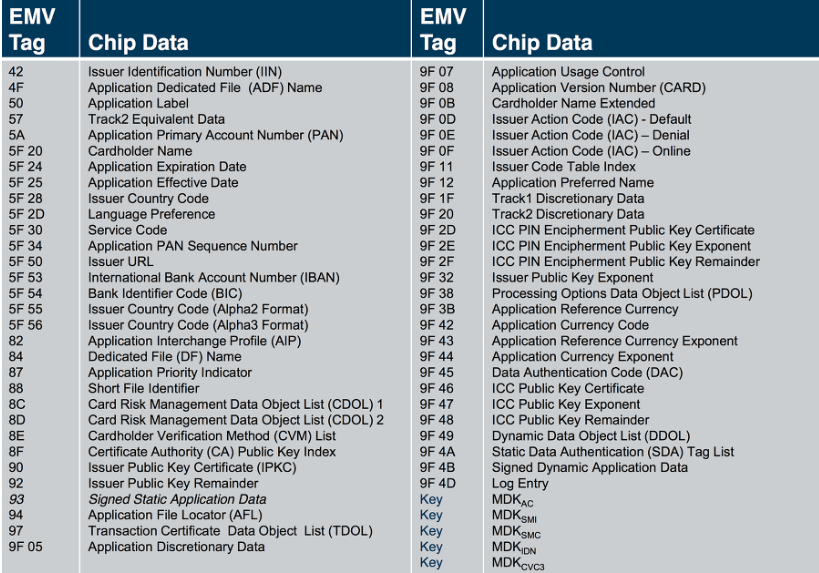
Diagram illustrating the EMV Tag-Length-Value (TLV) data structure used in card transactions

Online & Authorization

What are EMV Tags?

In EMV, data is stored in Tag-Length-Value (TLV) format, and it is carried between the card, the POS terminal, and the authorization system in this same format. This post lists every EMV Tag, its type, and its description.
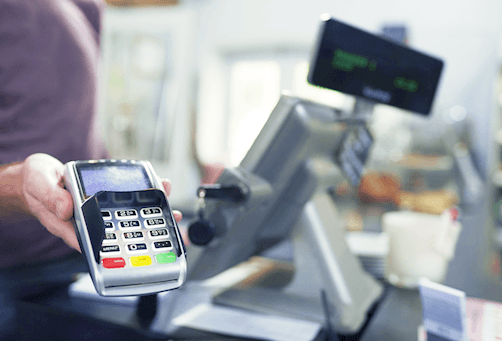
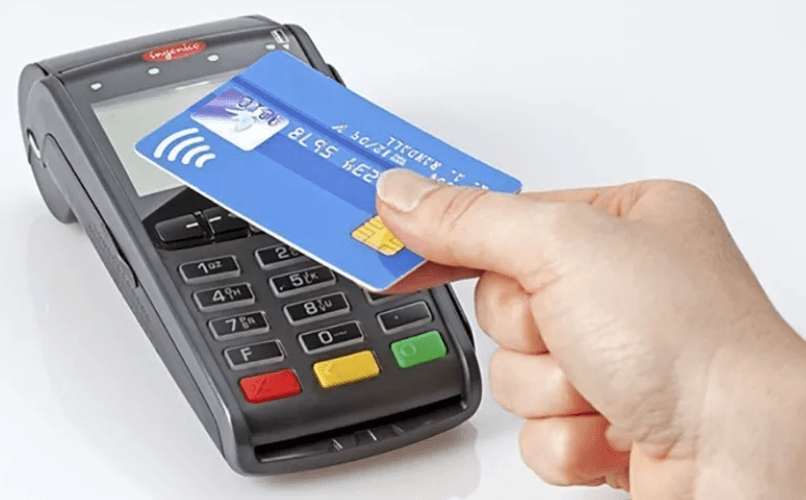
Illustration representing a bank-owned POS device rented to a merchant

Merchant & POS

What is the Merchant Rental Fee?

When any sole proprietorship or commercial business applies to become a merchant, banks install a POS device, paying significant amounts to purchase each one, then rent the devices to merchants.

Processing Options Data Object List (PDOL) diagram

Merchant & POS

Processing Options Data Object List (PDOL)

Contains the terminal-resident data objects (tags and lengths) that the ICC needs when processing the GET PROCESSING OPTIONS command. In short, it is the list of information the card requests from the terminal before starting the transaction.

Illustration of POS terminal certification testing for Visa and MasterCard payment schemes

Merchant & POS

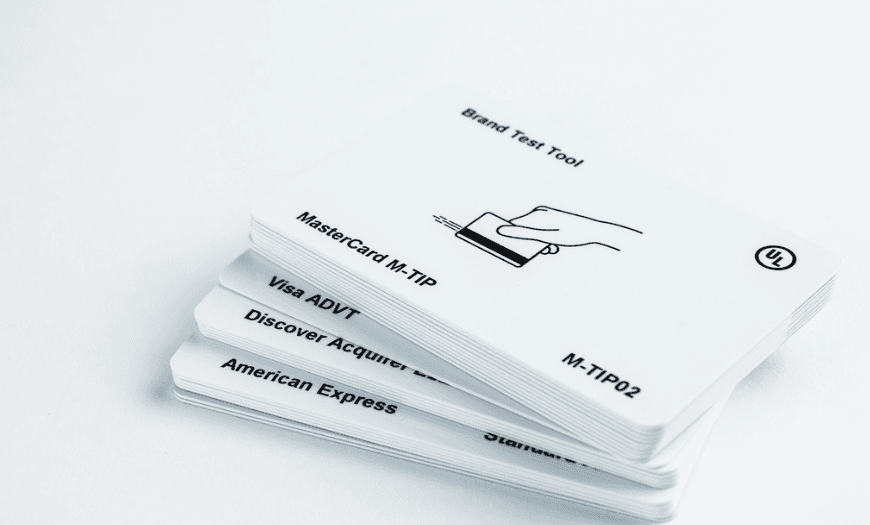
What are Visa ADVT & VpTT and MasterCard M-TIP?

In order for a bank's POS devices to process transactions with payment scheme cards (Visa, MasterCard, Troy, etc.), they must pass certain test and control steps. Visa and MasterCard have test tools that include test cards and test scenarios for this purpose…

Diagram illustrating a co-badge card issued under two payment schemes

Credit Card

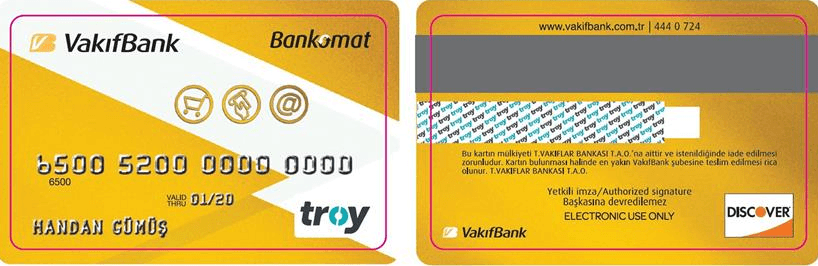
What is a Co-Badge Card?

A co-badge card is issued under two or more payment schemes (Mastercard, Troy, Diners Club, Discover, etc.). If a bank's product supports multiple schemes, customers can request a card carrying two or more payment brands.

Diagram illustrating TCR (Transaction Record Component) packets used in payment clearing and settlement files

Payment Systems

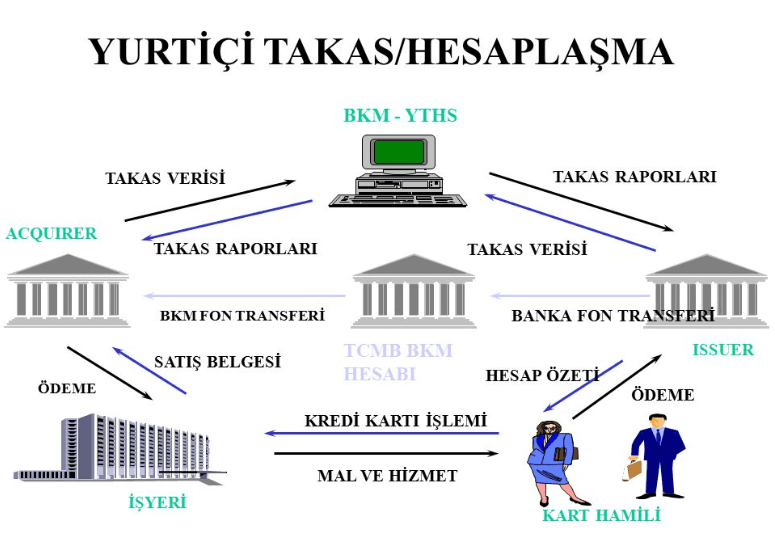
What Is TCR (Transaction Record Component)?

TCR stands for Transaction Record Component, the packets that carry transaction information in a clearing system. Transaction types in a clearing file are distinguished by transaction code and usage code values, and this data is sent inside TCR packets.

Diagram illustrating the Remote Key Loading (RKL) process

ATM

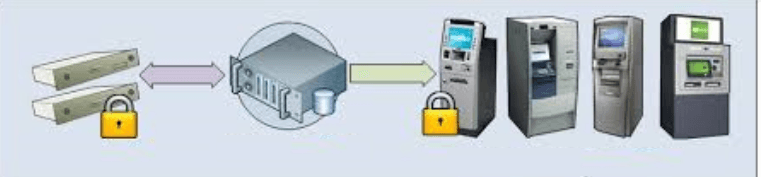
What Is RKL (Remote Key Loading)?

RKL is the process of distributing a TMK (Terminal Master Key) to each terminal from a central point. It is used to remotely load keys onto POS and ATM devices, loading TMKs onto an ATM's keypad or activating them on a POS.

POS terminal processing an EMV chip card transaction

Credit Card

Application Interchange Profile (AIP)

The Application Interchange Profile indicates the application functions supported by the card. The AIP values and their descriptions are given below. Where is the AIP found? The AIP is a 2-byte piece of data stored on the card, carried under EMV tag 82.

Diagram illustrating how a POS terminal's floor limit determines offline transaction approval

Merchant & POS

What Is a Floor Limit?

The floor limit is the value held on the POS that determines the maximum amount for which an offline transaction can be approved. It is managed per terminal and can be updated at any time through the POS parameter management system.

Diagram illustrating the structure of the AFL (Application File Locator) field on an EMV card

Merchant & POS

What is AFL (Application File Locator)?

AFL (Application File Locator) is the field that shows where on the card the data needed for the authorization transaction is located. AFL is a list of the application data records on the card, and the terminal uses it to read the application data.

Diagram illustrating floor limit management on a POS terminal

Merchant & POS

How is Floor Limit Managed on POS?

The limit that governs the maximum amount for which an offline transaction can be made on a POS terminal is called the Floor Limit. POS parameter management programs (usually GMS) maintain 3 parameters for floor limit management.