Skip to content

Search

"card blocking"

75 articles found

Illustration showing the consequences of entering an incorrect CVV2 code in an online transaction

Credit Card

What happens if I enter CVV2 incorrectly in my online transactions?

With the advancement of technology, the use of credit cards in online transactions and the variety of payment methods have increased. To make an online transaction with a credit card, you need: Card Number, Expiration Date, and CVV2 (the 3-digit number on the back of the card).
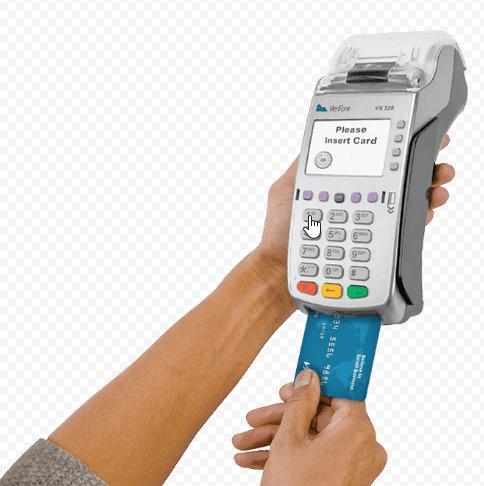

Diagram illustrating how a contactless offline transaction is processed

Merchant & POS

Can a Contactless Offline Transaction Occur?

A contactless offline transaction can occur. If the amount is lower than the floor limit defined on the POS and the card also allows offline authorization, the transaction can be completed offline. Offline transactions are periodically sent by the POS to the acquiring bank.

Illustration of recurring payments and automatic card collection for subscription businesses

Merchant & POS

Key Points to Watch for in Recurring Payments

Winning customers is one of the most important things in business, but keeping them satisfied matters just as much. If you collect payments at regular intervals, such as monthly, these tips will help you improve the success rate of recurring collections.

Diagram illustrating the stages a credit card goes through from application to delivery

Credit Card

What stages does a credit card go through before reaching the customer?

Credit cards are undoubtedly the most important payment tool for most of us when shopping. So what stages does a credit card or debit card go through before it reaches our pocket? The customer submits a card application request, and the process continues from there.

ISO 8583 field 52 PIN data encrypted PIN block

ISO 8583

ISO 8583 Field Descriptions (F52)

DE 52 — Personal Identification Number (PIN) Data: the field that holds the PIN data. PIN verification is carried out based on this field.

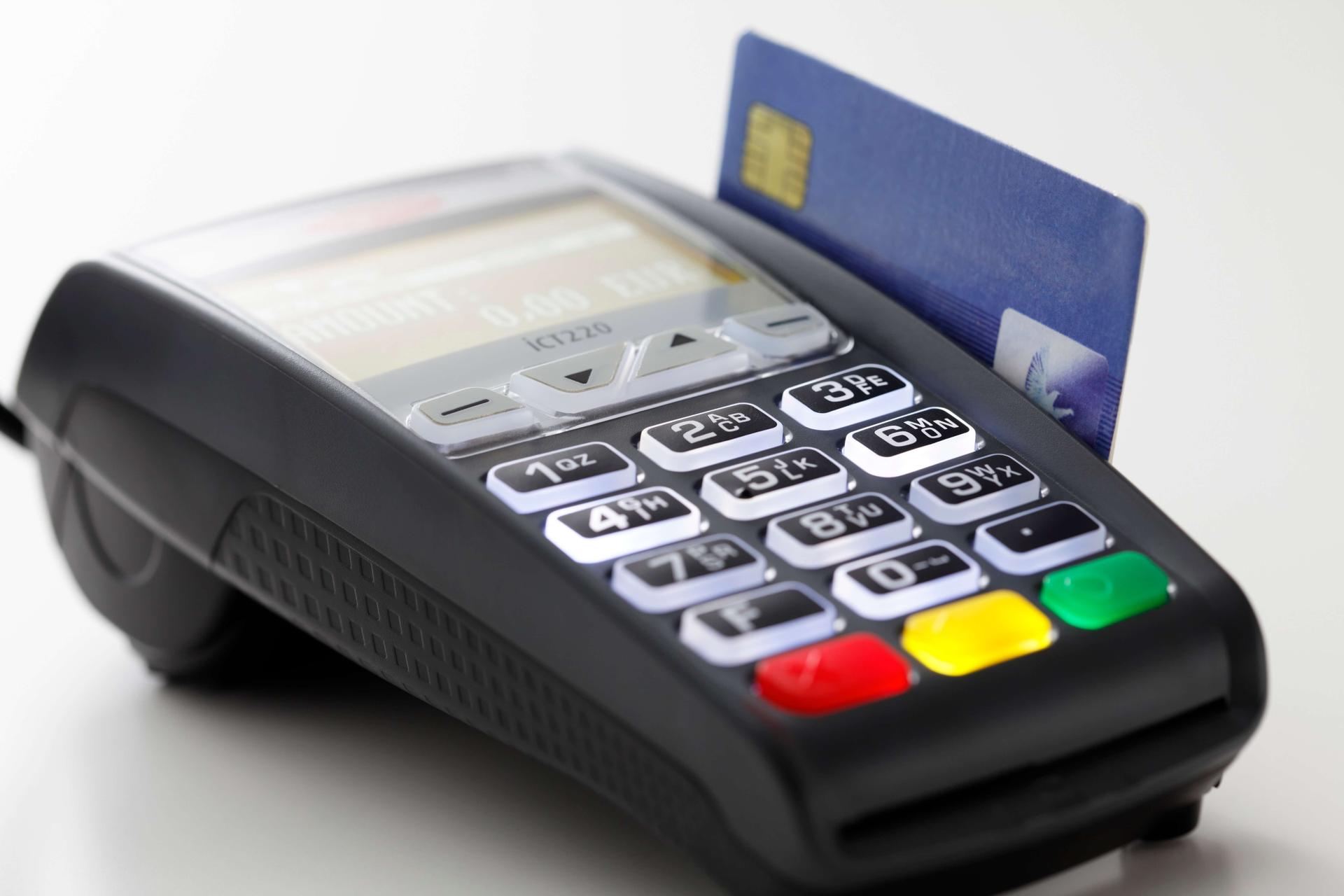
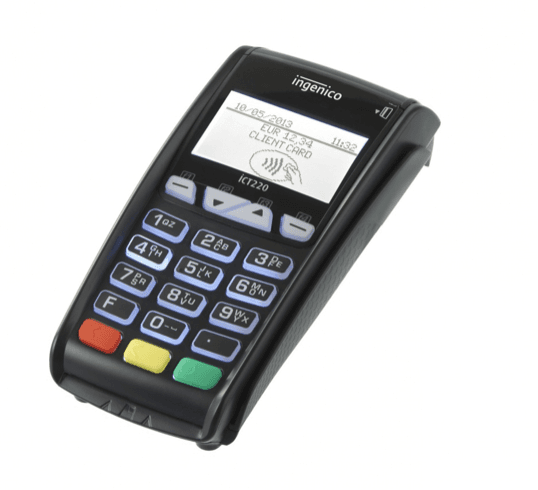
POS terminal device used to process chip card payments

Merchant & POS

What is Application Usage Control (AUC)?

AUC (Application Usage Control) specifies restrictions that limit an application by geography or by specific transaction types. It is a 2-byte data element in Tag 9F07. If present, the terminal performs checks such as whether the transaction is at an ATM.

Credit card statement showing an unrecognized transaction

Credit Card

Is Your Card Making Purchases Without Your Knowledge?

While reviewing your credit card statement, you suddenly notice a transaction you never made. What would you think? Is your card going shopping while you sleep? Let's look at how this can happen and what to do about it.

Illustration representing a mail order card payment transaction

Merchant & POS

What is a Mail Order transaction?

Mail Order (Mail Order/Telephone Order) is a transaction made by selecting the Mail Order option on a POS or through the virtual POS interface, entering the card number, expiration date, and CVV2. It is typically used when the cardholder is not present.

Diagram illustrating the PIN Try Counter concept on a payment card chip

Credit Card

What Is PIN (Personal Identification Number) Try Counter?

The PIN Try Counter is a value stored on the card's chip showing the number of remaining offline PIN attempts. Each incorrect offline PIN entry decreases it by 1, and it resets when the correct PIN is entered.

Diagram illustrating how a POS terminal's floor limit determines offline transaction approval

Merchant & POS

What Is a Floor Limit?

The floor limit is the value held on the POS that determines the maximum amount for which an offline transaction can be approved. It is managed per terminal and can be updated at any time through the POS parameter management system.

Diagram explaining the PAN Sequence Number (PSN) field on a chip card

Credit Card

What Is PSN (PAN Sequence Number)?

A 2-character field written to the card's chip data that increases by 1 with each card renewal, allowing authorization to distinguish between the old and new card. This means that, theoretically, assuming no other conditions prevent it, a...