
Merchant & POS
Is an installment Mail Order transaction possible?
A reader asked whether installment mail order transactions are still possible, and whether a card limit equal only to the installment amount is enough. This article shares the answer.
Search
316 articles found
Merchant & POS
A reader asked whether installment mail order transactions are still possible, and whether a card limit equal only to the installment amount is enough. This article shares the answer.

ISO 8583
F61 - POINT OF SERVICE (POS) DATA: This field provides information about the specific status of the POS at the time of the transaction. Position Usage Attribute 1 POS Terminal Attendance Indicator 0 = Attended terminal (Valid for MasterCard debit card and Maestro transactions only).
Payment Systems
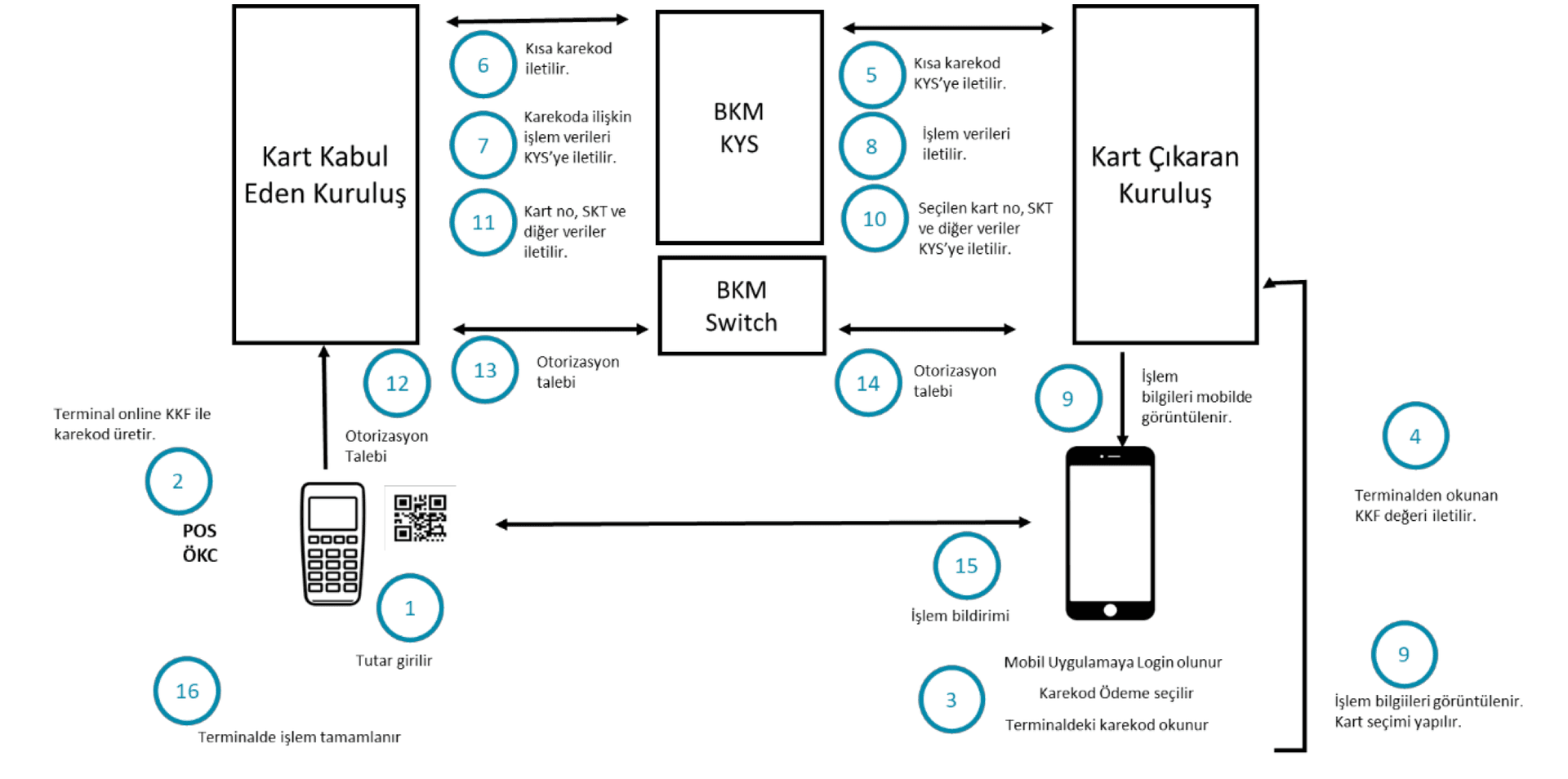
In payment or cash withdrawal transactions, the TR QR Code is generated by the POS or ATM. The card issuing bank must build its systems to read and act on this code. Errors usually stem from mishandling the long and short QR code flows, which are explained here.

Laws & Regulations
Law No. 7192 amends certain articles of Law No. 6493 on Payment and Securities Settlement Systems, Payment Services and Electronic Money Institutions. Announced on 22 November 2019, it entered into force on 01.01.2020.

Laws & Regulations
Turkey is rapidly implementing the items in the 11th Development Plan for a fintech ecosystem with equal opportunity. Under the approved law amendment, some BRSA powers over payment services and e-money companies were transferred to the CBRT, making it the single authority in payments.

Chargeback
A chargeback is a dispute raised against a card transaction when the cardholder did not make it or does not recall it. The dispute types vary depending on the situation; let's look at them.
Credit Card
Debit cards and prepaid cards are generally closed to mail order transactions. Mail order authorization is held on credit cards. Unless specifically requested at application, a card is issued closed to mail order transactions.
Merchant & POS
In the world of payment systems, both the issuer (the cardholder's bank) and the acquirer (the POS/ATM bank) must follow certain rules for card transactions made through a POS terminal or an ATM. Responding to transactions within a certain time is one of these rules.
Payment Systems
The domestic authorization flow for below-CVM-limit online contactless transactions has changed. Issuers can now ask the cardholder for a PIN or request card insertion instead of simply approving or declining. This post explains the CVM list and the new DE48 PDS22 and DE39 = 65 message flows.
Payment Systems
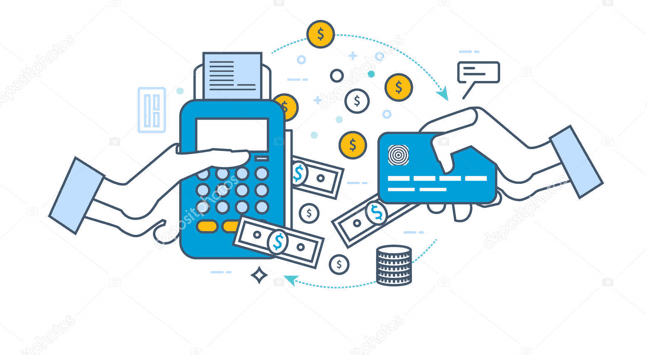
Message 200 is generated for transactions initiated from POS applications, and the acquiring bank responds with message 210. Learn how 100/110 messages route approvals via the issuing bank, and common rejection reasons.

Payment Institutions & E-Money
The Law defines e-money as monetary value issued in exchange for funds accepted by the issuer, stored electronically, used for payment transactions and accepted as a payment instrument by persons other than the issuer. This post explains e-money institutions and the services they may provide.

Payment Institutions & E-Money
A payment institution is a legal entity authorized under the Law to provide and execute payment services. It must be a joint stock company meeting the conditions in Article 14 of Law No. 6493. This post sets out the services listed in Article 12 and the exclusions.