Skip to content

Search

"Stored Card Data"

70 articles found

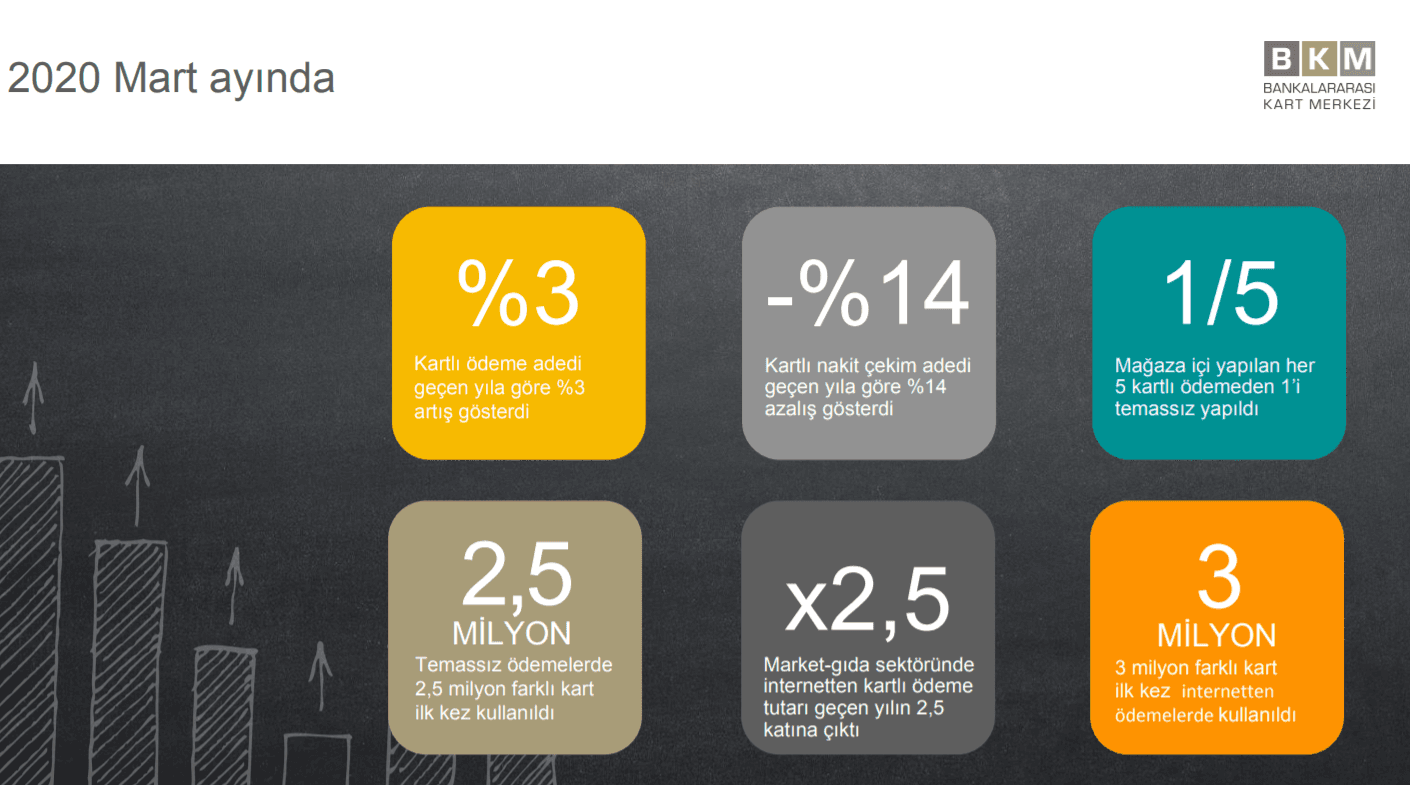
BKM March 2020 card payment statistics chart showing the rise in contactless and online payments

Credit Card

Did We #StayHome? (Based on BKM March 2020 Data)

The coronavirus has turned the past month into a new way of life. How will these changes affect payment systems? This post reviews the March 2020 data announced by BKM, including the surge in contactless and online card payments.
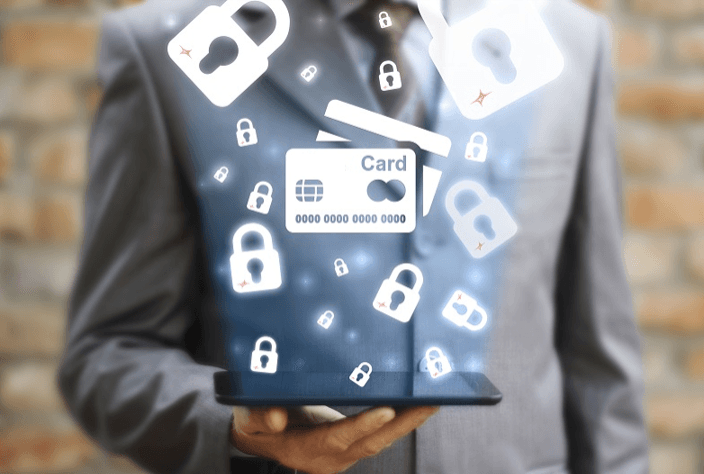
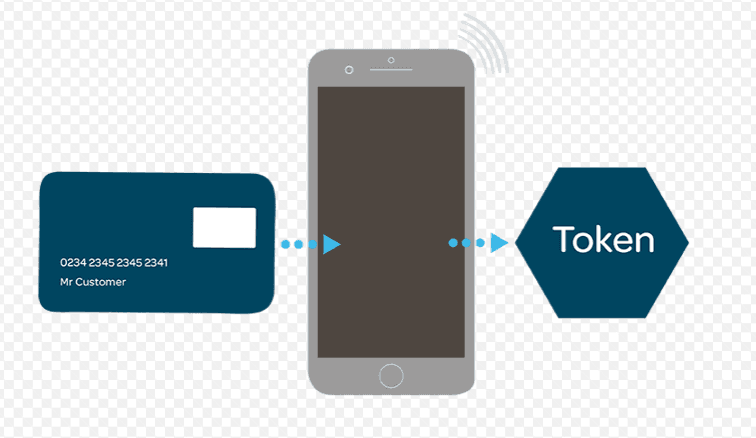
Diagram of the components that make up an HCE transaction token

HCE

What components make up an HCE Token (Transaction Token)?

The token used in HCE transactions contains more than just a new number derived from the card number. It also includes single-use keys, an expiration date, RSA keys and certificates, transaction limits, and an Application Transaction Counter (ATC).

Diagram comparing the three levels of payment-card tokenization: static, semi-dynamic and dynamic

HCE

What Are the Levels of Tokenization?

Generating a token from the card number is essential to the security of payments made with mobile devices. The level of tokenization used depends on the need and on how critical the token is. Static tokenization: the token is generated once and stored in a database.

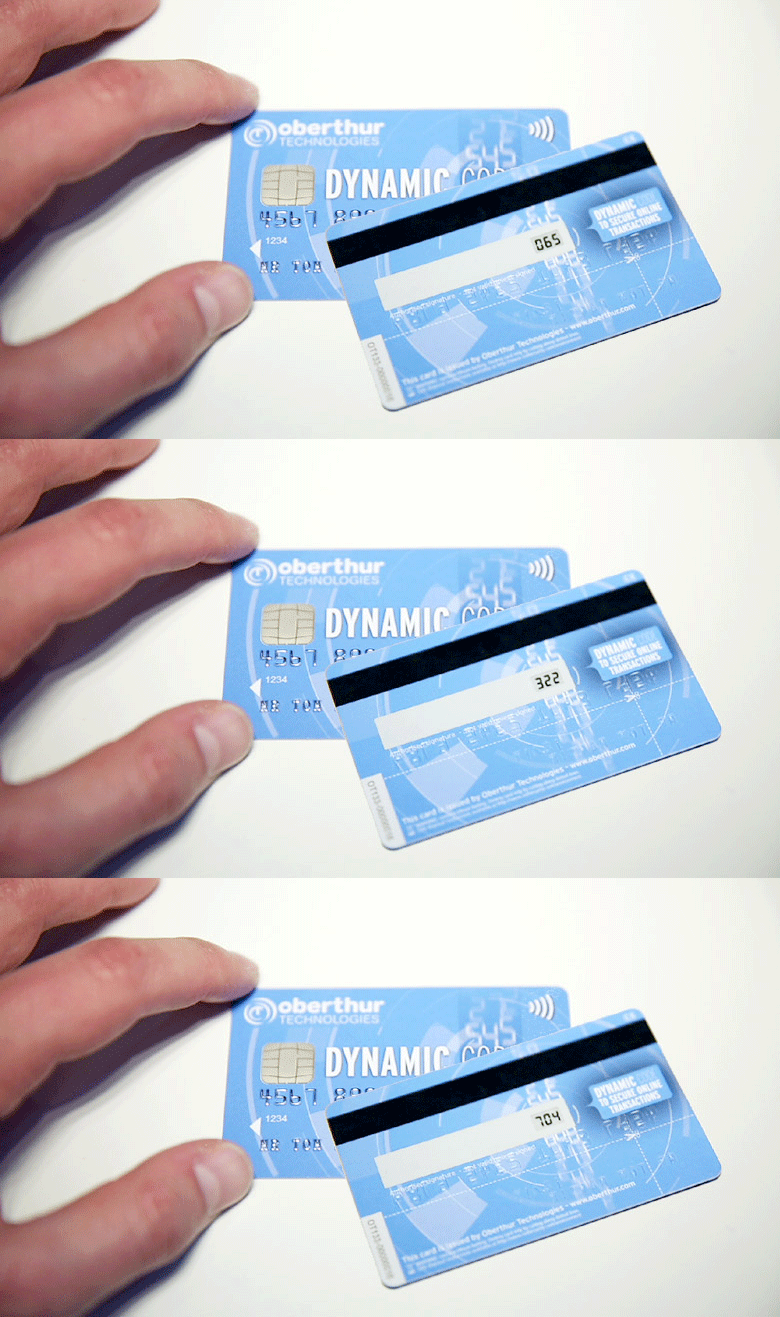
Animated illustration of a credit card representing dynamic security code technology

Credit Card

What is a Dynamic Card Security Code (CSC)?

It is a CVV2/CVC2 code that changes every few minutes instead of the static code printed on the back of a credit card, aimed at reducing fraud risk in CNP (Card Not Present) transactions.

HCE terminology and architecture diagram

HCE

Terms Used in HCE Terminology

When we talk about HCE methodology, many interacting architectural components come to mind. The core terms describing this architecture are listed below, starting with GCM/FCM (Google/Firebase Cloud Messaging), a service for sending push notifications.

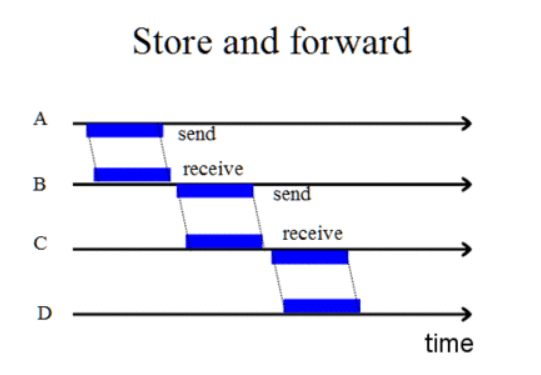
Diagram illustrating the Store and Forward (SAF) offline transaction process

Payment Systems

What is Store and Forward (SAF)?

Store and Forward (SAF) describes offline transaction processing. It was originally developed when modems were introduced and connections were not always stable, letting terminals store transactions and forward them once connectivity is restored.

Illustration representing the products and services KKB offers directly to its member institutions

Credit Card

What Products and Services Does KKB Offer Directly to Members?

KKB was established, under banking law, to enable the exchange of all kinds of information and documents among at least five banks, and it also shares credit information about customers. The Credit Bureau of Turkey also serves deposit banks, participation banks, financial institutions, and more.

Illustration of data leakage channels and risks leading to fraud

Fraud

What are data leakage frauds?

Data leakage is the intentional or accidental exposure of sensitive data through any channel where it is stored, processed or transmitted. This post covers its three main causes and the DLP solutions used to prevent it.

Diagram of an external quarterly network vulnerability scan for PCI DSS compliance

Security

What Is a Quarterly Network Scan?

An external network scan run every 3 months by an Approved Scanning Vendor authorized by card schemes such as MasterCard and Visa, required for PCI DSS compliance. It checks whether merchant systems are protected against external threats.

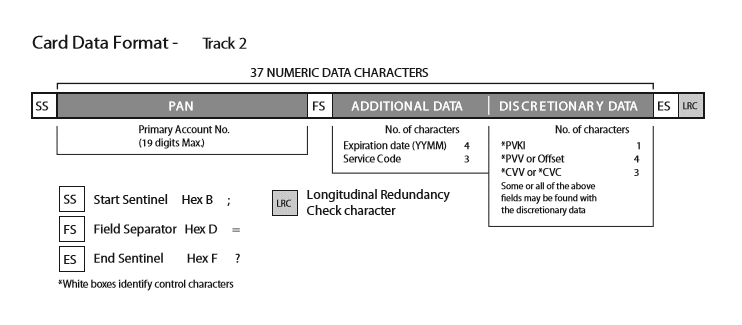
Diagram illustrating the structure of Track2 data on a card's magnetic stripe

Credit Card

What Is Track2?

A special data set printed on a card's magnetic stripe, containing the card information required for authorization when the card is used physically. It consists of 40 numeric characters. The Track2 field structure includes several data fields such as length and description.

EMV Application Transaction Counter ATC 9F36

Online & Authorization

Application Transaction Counter (ATC)

The Application Transaction Counter is the number of transactions made with the card so far. It increases by 1 with each transaction and can also be used as a transaction number, making transactions easier to track.

Diagram illustrating the Local Master Key (LMK) concept in an HSM

HSM & Security

LMK (Local Master Key)

LMK stands for Local Master Key. The Local Master Key (LMK) is the HSM's master key, and all other keys used by the institution are secured under this key. As transaction volume increases, banks often use multiple HSMs to reduce the load on each device.