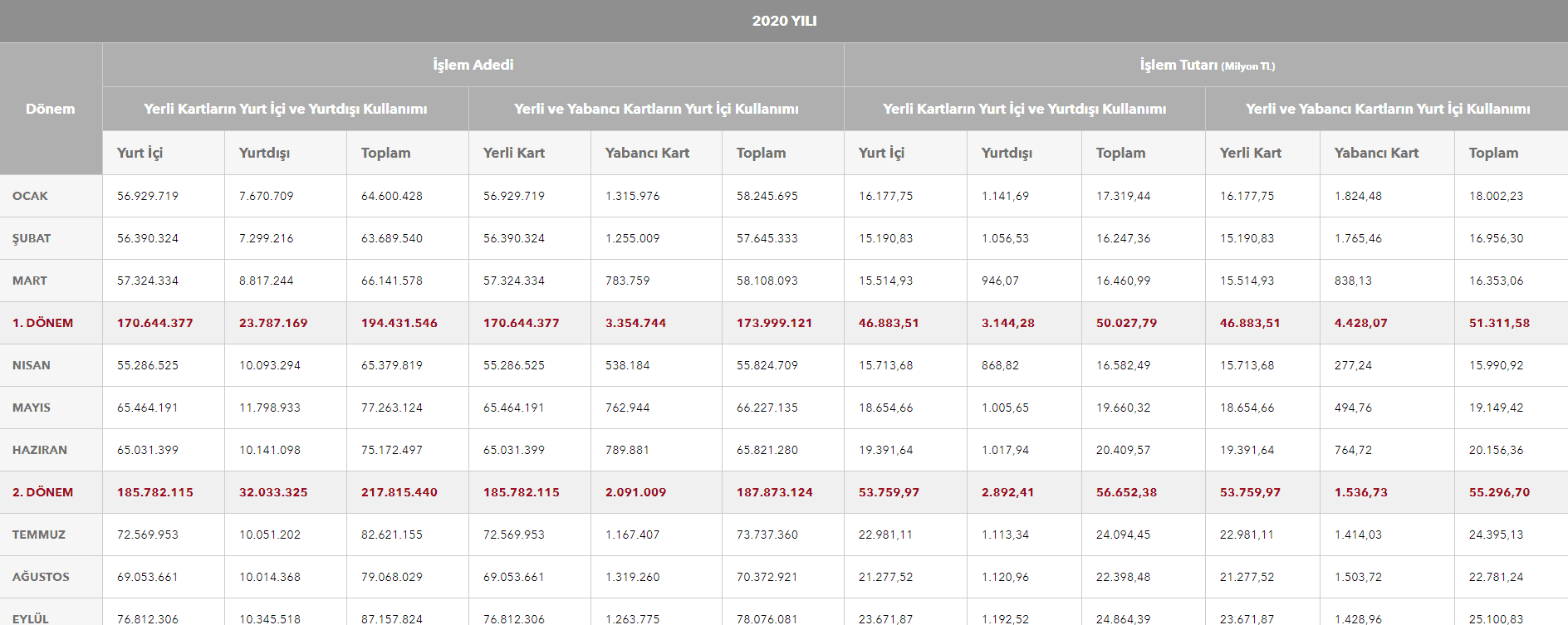
Credit Card
Where Can I Find Data on Online Card Payments in Türkiye?
Data on card payments made online in Türkiye is shared by BKM, updated monthly by number and value of transactions. Here is the link and how to interpret the figures.
Search
183 articles found
Credit Card
Data on card payments made online in Türkiye is shared by BKM, updated monthly by number and value of transactions. Here is the link and how to interpret the figures.

Security
The number of companies offering cloud computing and storage has grown sharply in recent years. AWS, founded in 2006, is the world's largest cloud computing and storage provider, ahead of Google Cloud, Microsoft Azure and IBM.
Merchant & POS
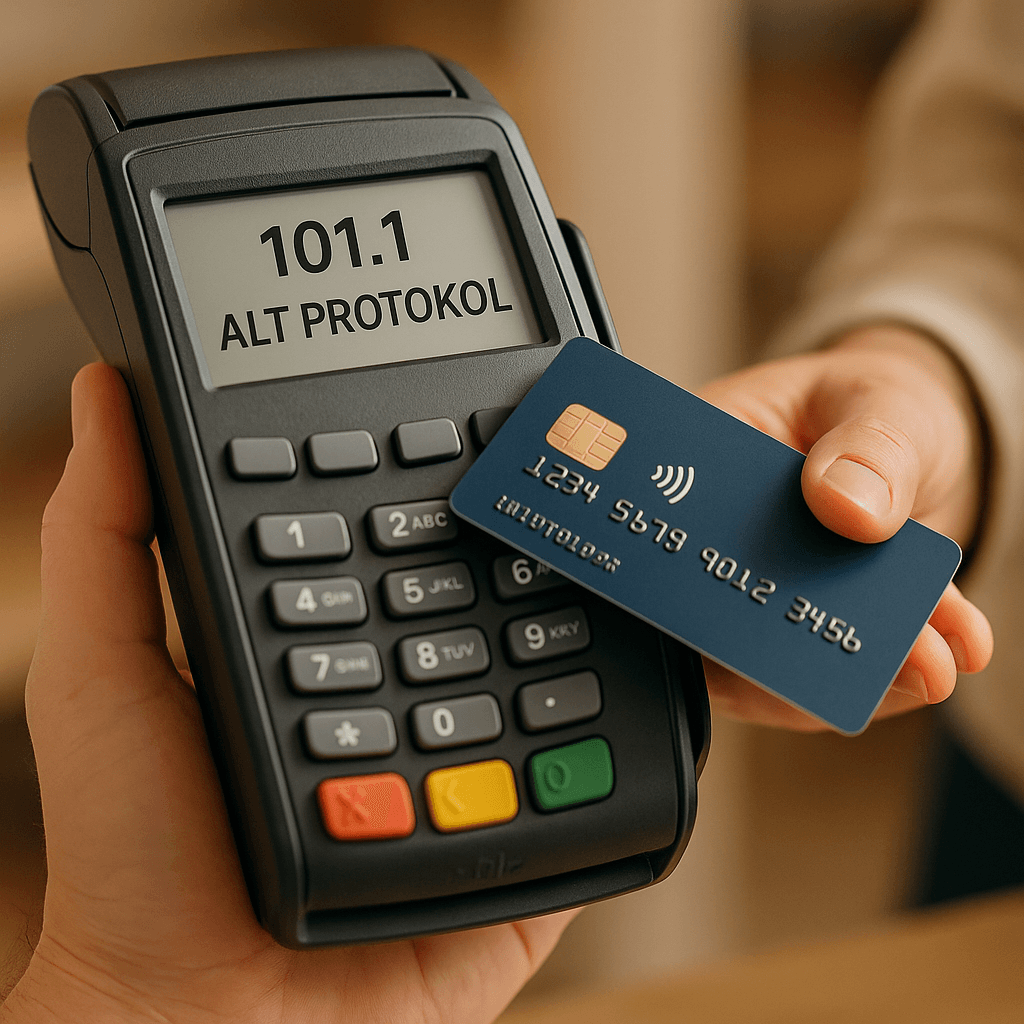
In payment systems, every exchange between POS devices and bank or payment institution systems runs on a specific messaging standard, generally based on ISO 8583. However, each country, bank, or switch network defines its own version of this standard.

Chargeback
Chargeback reason codes vary by card scheme. The Amex chargeback reason codes and their descriptions are listed below: American Express Chargeback Reason Codes A01 The charge you submitted did not receive a valid authorization approval code for the amount...
Credit Card
iCVV stands for Integrated Circuit Card Verification Value. To prevent fraud, it is a CVV value generated similarly to the card's track data and stored on the card's chip. Visa uses the term iCVV; MasterCard and American Express use their own equivalents.

HSM & Security
TAK stands for Terminal Authentication Key. It is the data encryption key used to generate and verify a Message Authentication Code (MAC) for data communication between a terminal and the acquirer within a local network.
Laws & Regulations
Under the regulation on banks' information systems and electronic banking services, from 1 July banks may send statements, receipts and account summaries containing sensitive data only through electronic banking channels, not by email or SMS.
Online & Authorization
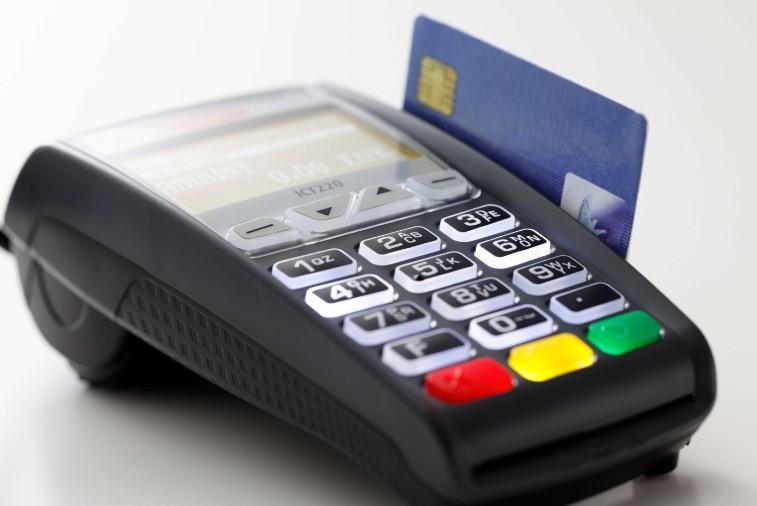
Cardholder verification in EMV is specific to chip cards. One goal of EMV is to minimize card fraud. To do this, three parties must be verified: the bank, the cardholder, and the terminal. One of the data items taken from the card to prove identity is...
Merchant & POS
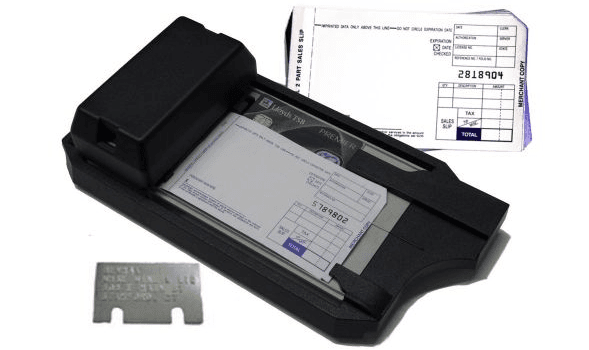
An imprinter is the name given to devices that transfer all the information embossed on a credit card onto a paper sales receipt. Before POS terminals, it was commonly used by merchants for authorization transactions.
Payment Systems
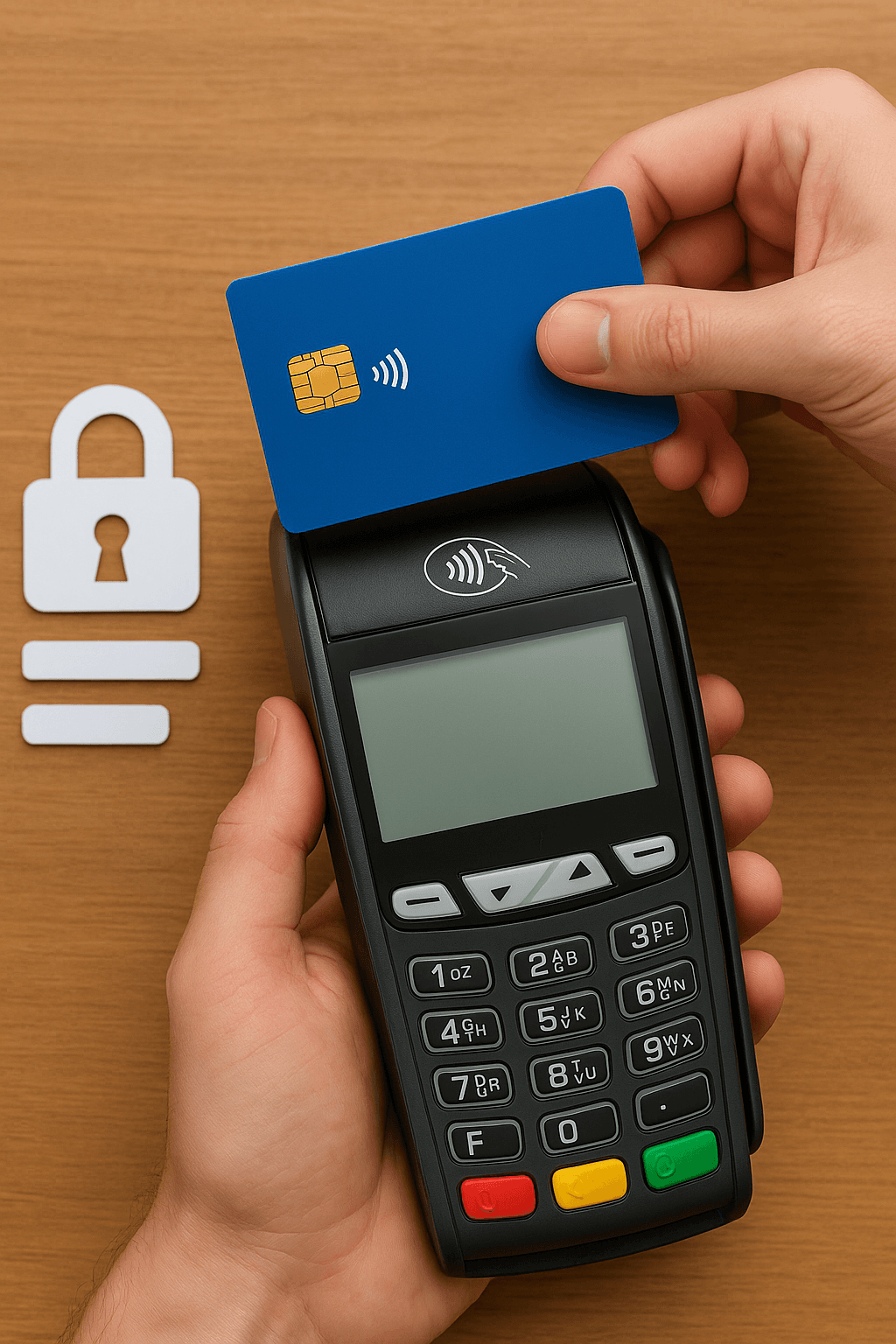
Contactless payment has greatly improved the user experience, yet its fixed transaction limit is a common complaint. Can this limit be managed dynamically per customer? This post covers the current situation, technical and regulatory requirements and the outlook.
Payment Systems
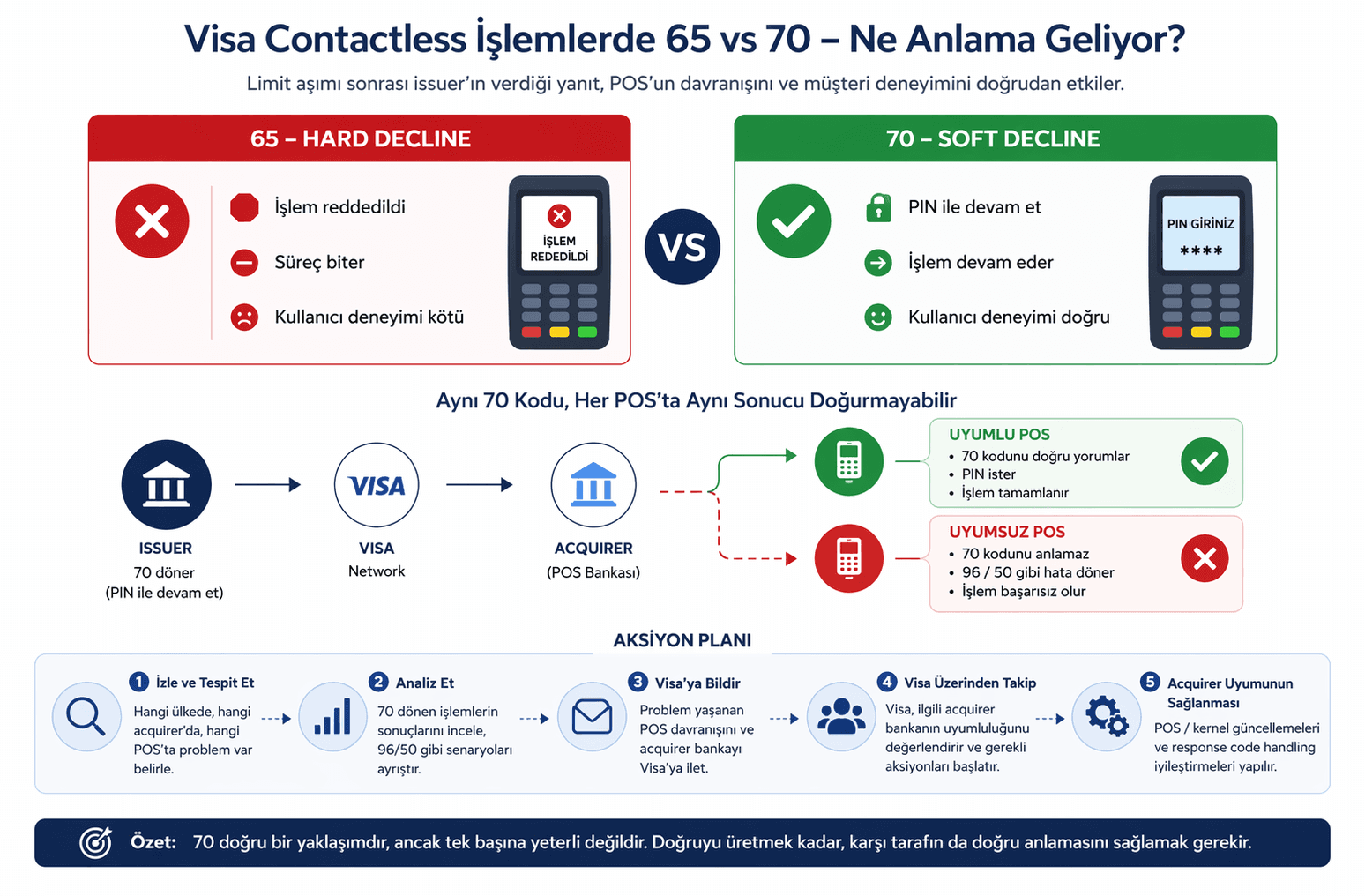
After switching to response code 70 for contactless limit-exceeded cases, we found that some overseas POS devices and acquirers did not handle it as expected. This post covers why the problem lies in the ecosystem and how to address it.
Credit Card
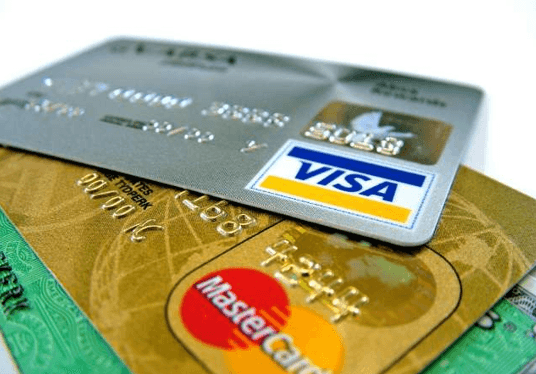
A credit card is a card whose limit the bank sets after evaluating the customer against criteria such as income, payment history, and credit bureau score.