Skip to content

Search

"fraud prevention"

49 articles found

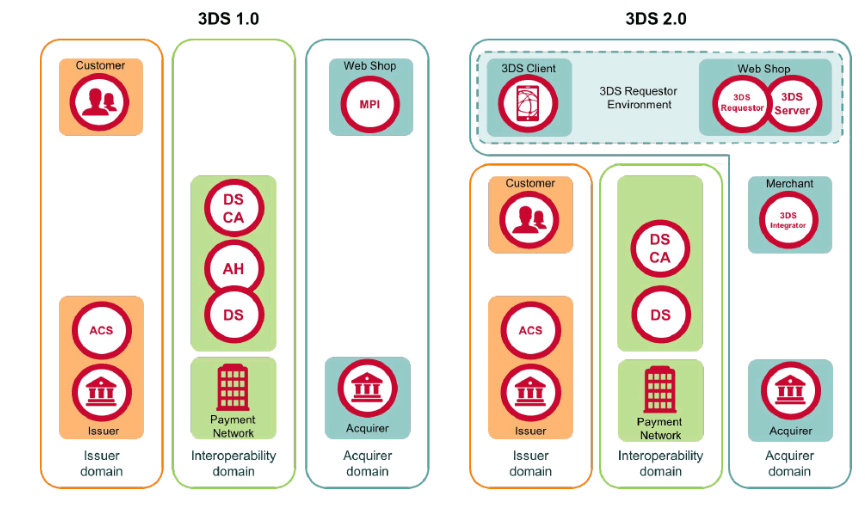
Architecture of 3DS 1.0 compared with 3DS 2.0, showing the issuer, interoperability and acquirer domains

Security

What Is 3D Secure 2.0?

Before 3D Secure 2.0, let's explain what 3D Secure is. 3D Secure is a two-layer payment authentication system that protects both the cardholder and the merchant in online payments. First released by Visa in 1999, it was later adopted by other card schemes…
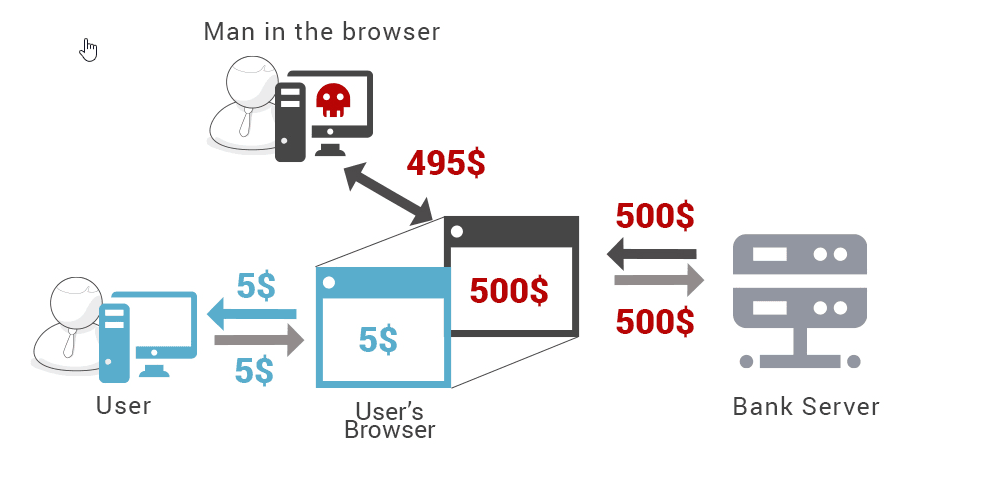
Illustration representing a Man in the Browser (MitB) cyberattack on online banking

Security

What is a Man in the Browser Attack (MitB)?

In the Man in the Browser fraud method, the goal is not to steal the user's password but to place malware in the browser itself. A malicious browser extension can alter the amount and recipient of the user's transfers at will.

Illustration explaining what a non-secure e-commerce card transaction is

Payment Systems

What is a Non-Secure transaction?

A non-secure transaction is an e-commerce transaction approved without any verification before authorization, such as SMS OTP. In short, authorization is obtained by verifying only the card number, expiration date, and CVV2.

Illustration representing credit and debit card fraud

Credit Card

Credit Card/Debit Card Fraud

Credit card fraud is generally committed using the card itself, using card details without the card, via excess or duplicate withdrawals, or by seizing identity information. ATM card trapping is common, since ATMs hold the card during the transaction.

Diagram illustrating how bank fraud detection systems analyze transactions

Fraud

How Do Fraud Applications Work?

Fraud management is used to detect possible fraud on customer accounts and provides additional security for transactions when necessary, making it one of the top priorities for banks.

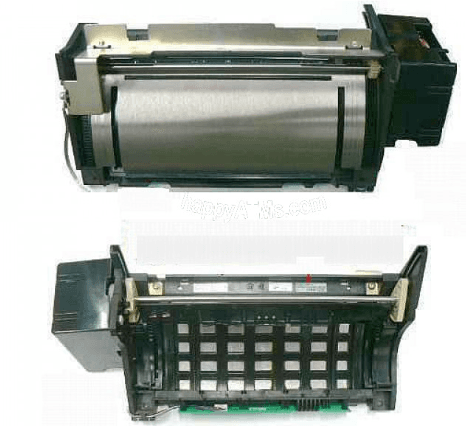
Diagram of an ATM shutter mechanism for cash deposit and withdrawal

ATM

What is an ATM Shutter?

The shutter can be described as the gate mechanism that prevents financial loss during ATM cash deposit and withdrawal transactions by controlling customer access to cash and preventing tampering with the ATM system.

Illustration of data leakage channels and risks leading to fraud

Fraud

What are data leakage frauds?

Data leakage is the intentional or accidental exposure of sensitive data through any channel where it is stored, processed or transmitted. This post covers its three main causes and the DLP solutions used to prevent it.

Illustration for a glossary of cryptocurrency terms such as Bitcoin, blockchain and mining

Cryptocurrency

What Are the Terms Used in the Cryptocurrency World?

Cryptocurrencies are becoming part of everyday life and are expected to compete seriously with card payments. This glossary explains the key crypto terms, from address, altcoin and arbitrage to halving, mining, proof of stake and stop-loss.

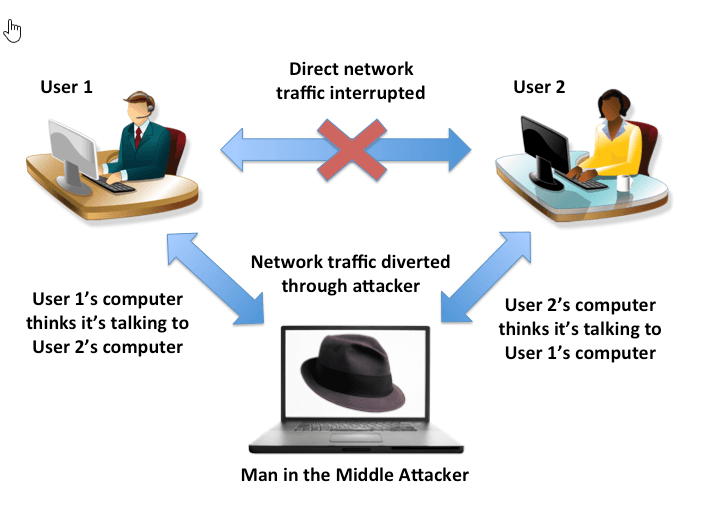
Diagram illustrating a man-in-the-middle attack intercepting communication between a client and a server

Fraud

What is a Man-in-the-Middle Attack (MITM)?

A man-in-the-middle attack is a method in which an attacker inserts themselves between the server and client to intercept users' information, steal passwords, and gain access to accounts on a local network. This fraud mostly occurs over public internet connections.

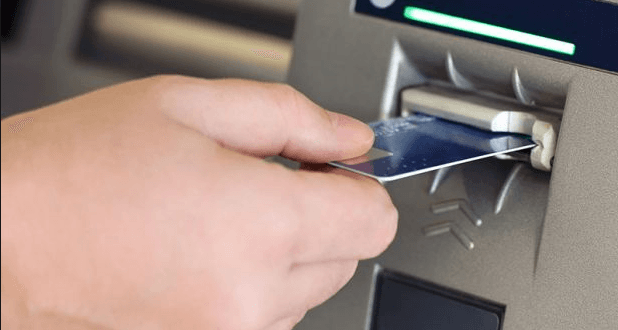
Illustration of an ATM card trapping fraud scheme

ATM

ATM Fraud Methods: Card Trapping

ATMs generally hold your bank/credit card inside the card reader slot until the transaction is completed. Fraudsters insert foreign objects such as paper or adhesive-coated cards into the reader to trap the customer's card inside.

MasterCard Identity Check logo and authentication illustration

Security

What is MasterCard Identity Check?

Payment security is very important in payment systems. To increase security, transactions require additional information such as PINs and passwords. Remembering which information to use, and keeping it in mind without forgetting…