Skip to content

Search

"risk management"

80 articles found

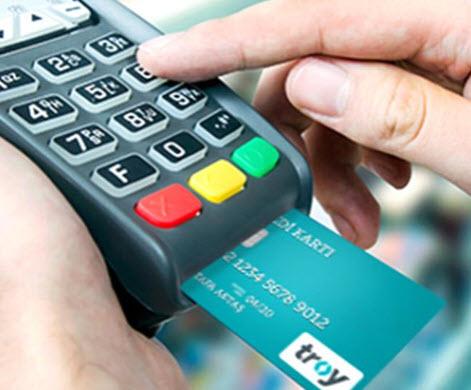
POS terminal processing an EMV chip card transaction

Credit Card

Application Interchange Profile (AIP)

The Application Interchange Profile indicates the application functions supported by the card. The AIP values and their descriptions are given below. Where is the AIP found? The AIP is a 2-byte piece of data stored on the card, carried under EMV tag 82.
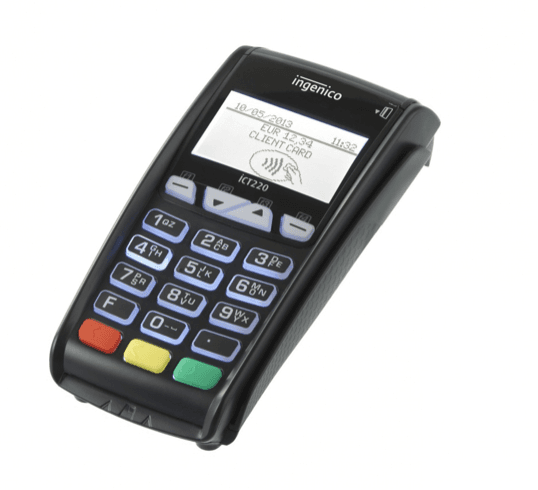
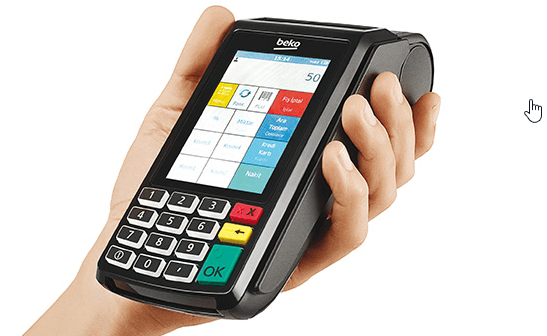
POS terminal software version update process diagram

Merchant & POS

How is a software version uploaded to a POS terminal?

To upload a version to a POS, the software on the POS and the authorization system on the bank side must support it. Version upload to a POS can be done manually on the device itself, or via a remote upload request.

Diagram illustrating how a POS terminal's floor limit determines offline transaction approval

Merchant & POS

What Is a Floor Limit?

The floor limit is the value held on the POS that determines the maximum amount for which an offline transaction can be approved. It is managed per terminal and can be updated at any time through the POS parameter management system.

POS terminal used for EMV card payment processing

Merchant & POS

TVR (Terminal Verification Results)

Terminal Verification Results (TVR): a sequence of bits produced when a terminal reads an EMV card, based on logical checks such as an expired card. This data object is used to decide whether a payment transaction should be accepted online, declined, or allowed to proceed.

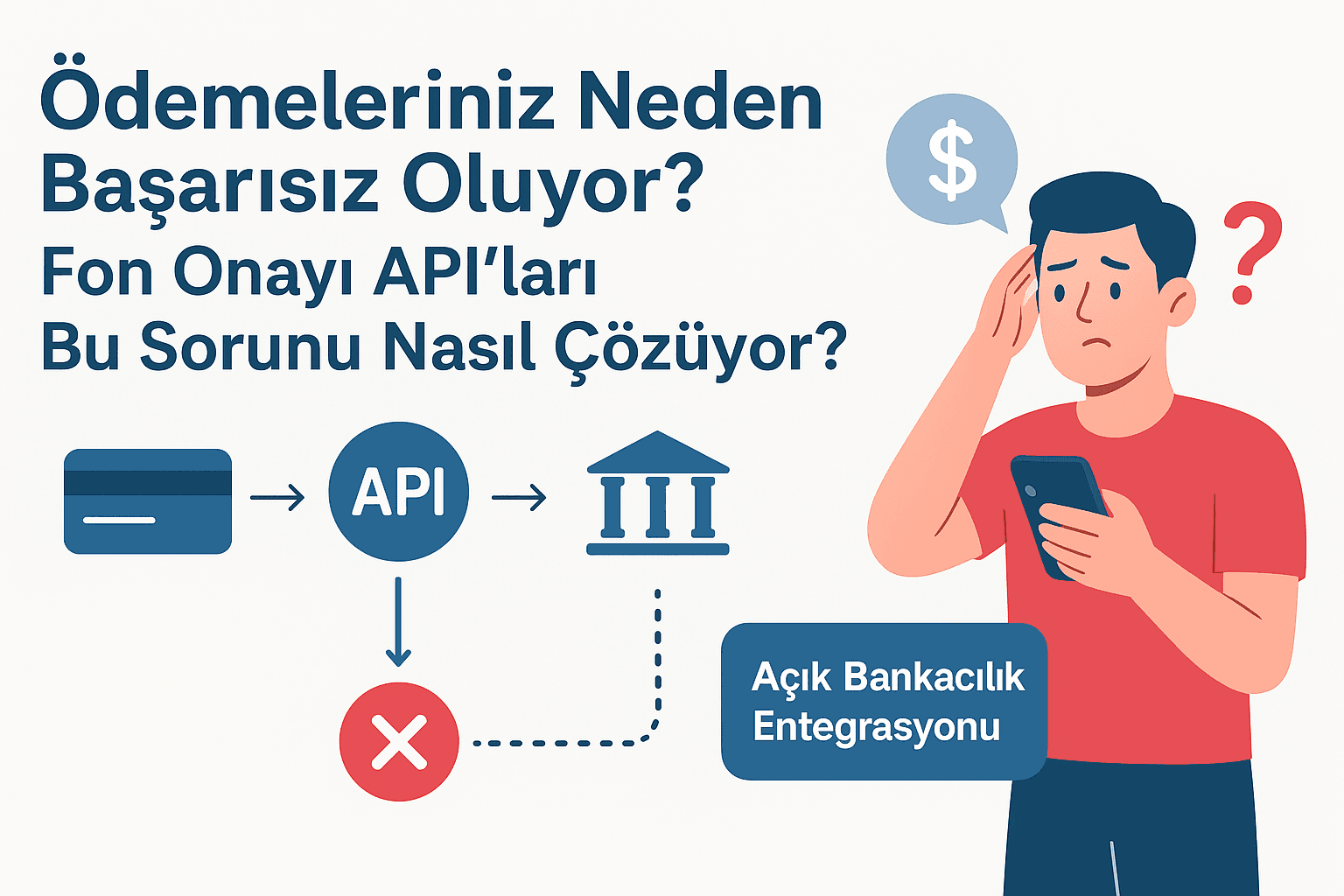
Shopper at an online checkout seeing a failed payment message because of an insufficient funds check

Online & Authorization

Why Do Your Payments Fail? How Funds Confirmation APIs Solve It

You press the pay button and the screen says the transaction failed. Behind that failure are checks on your balance and transaction security. This post explains how funds confirmation APIs work, where they apply, and the situation in Turkey's open banking.

Diagram illustrating open banking, where customer financial data is shared with fintech companies through APIs

Payment Institutions & E-Money

What Is Open Banking?

Open banking means sharing customers' financial information with a third-party fintech company so that a range of banking and financial services can be offered to them. It works through API integrations. This post covers its status in Turkey and the new BRSA regulation.

Credit card used for a mail order transaction

Credit Card

Which Cards Can I Use for Mail Order Transactions?

Debit cards and prepaid cards are generally closed to mail order transactions. Mail order authorization is held on credit cards. Unless specifically requested at application, a card is issued closed to mail order transactions.

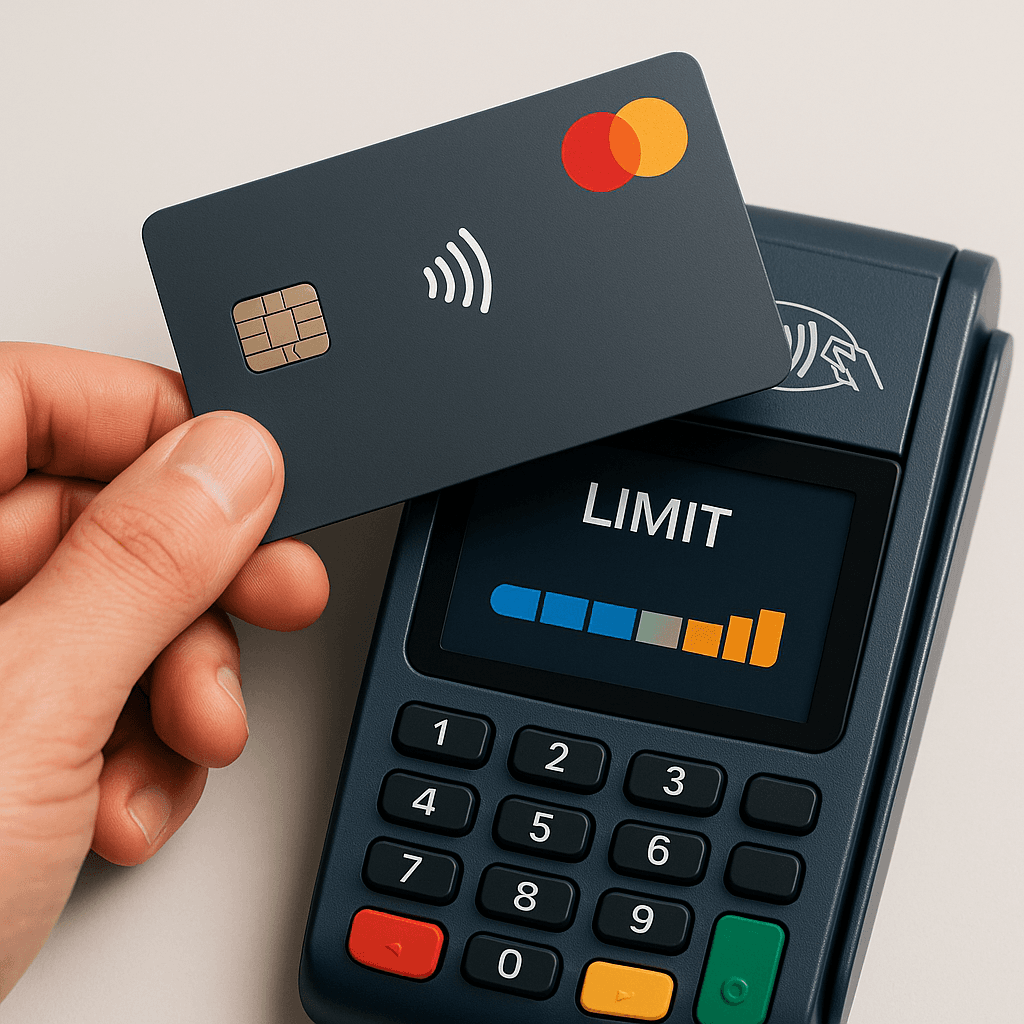
Illustration of dynamic CVM limit management for contactless card payments

Payment Systems

Dynamic CVM Limit Management Approach: A New Era in Card Security

One of the most notable recent developments in card payments is that contactless limits are no longer fixed and can be managed dynamically per customer. Mastercard and Visa are taking different but complementary approaches, and ISO 8583 may need to evolve with them.

Architecture diagram of the Visa EAS Server within the Visa Secure 3-D Secure authentication flow

EMV

What Is the Visa EAS Server?

The Visa EAS Server (Extended Access Service) is a server used in Visa’s authentication infrastructure. It was developed to run the cardholder authentication process securely between banks and the Visa network, particularly within Visa Secure (3-D Secure 2.x).

Illustration representing real-time and near real-time fraud monitoring in payment systems

Fraud

What is Online (Real Time) and Near Online (Near Real Time) Fraud?

Fraud monitoring refers to tracking card transactions through scenarios to detect potential fraud and taking rapid action immediately before or after a transaction occurs - such as identifying a suspicious transaction, calling the customer, or temporarily blocking the card to prevent authorization.

Contactless card payment at a POS terminal after the limit increase to 250 TL

Merchant & POS

Contactless transaction limit raised to 250 TL

Current information: this article describes the limit in force at the time of publication. To reduce the risk of the coronavirus (Covid-19) spreading, the contactless transaction limit on credit and debit cards was raised to 250 lira.