Skip to content

Search

"Card Usage"

80 articles found

Conceptual illustration of a brain-computer interface chip connected to a human brain

Payment Systems

What Could Neuralink Change in Payment Systems?

Elon Musk was set to unveil Neuralink, a brain-computer interface. What is Neuralink, and how might payment systems change if payments, cards, ATMs and POS devices move from phones to a chip in the brain?
Shared ATM usage between different banks

ATM

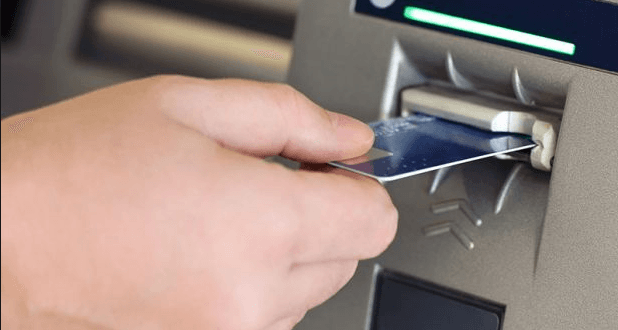
What is a Shared ATM?

A shared ATM lets a customer of one bank use another bank's ATM for card or credit card transactions. Within customer limits, shared ATMs allow deposits, withdrawals, balance inquiries, and credit card debt inquiry/payment.

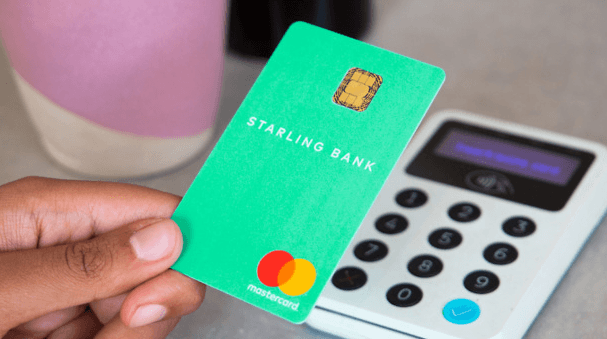
Starling Bank vertical credit card design

Credit Card

Vertical Revolution in Credit Cards

The payment card industry is arguably the sector most affected by technology and the quickest to adapt new developments. With mobile devices, payment systems have changed a lot - we now prefer using our credit cards virtually rather than physically.

HCE mobile payment PIN strategies

HCE

What Are the PIN Strategies in HCE?

There are three types of PIN strategy in HCE (Host Card Emulation): No PIN, Card PIN and Wallet PIN or customer biometric data. Each balances user experience and security differently.

Illustration representing bank credit card limit management

Credit Card

How is limit management done in banks?

In transactions carried out through banks, a certain limit is set due to the rules and requirements of institutions such as the BRSA (BDDK) and MASAK, as well as the measures banks take to reduce risk, and transactions above this limit are not approved. In the world of payment systems…

Diagram illustrating the structure of Track3 data on a payment card

Credit Card

What Is Track3?

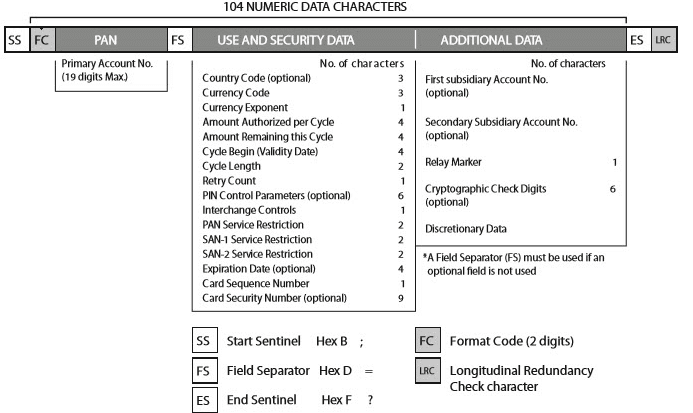
Track3 is a field that doesn't need to be written to the card's magnetic stripe. It's used only in very specific cases and isn't required for authorization transactions. Issuers generally don't encode Track3 data onto the card's magnetic stripe. It consists of 104 numeric characters.

Contactless payment with a card on a POS terminal

Contactless

7 Reasons to Make Contactless Transactions

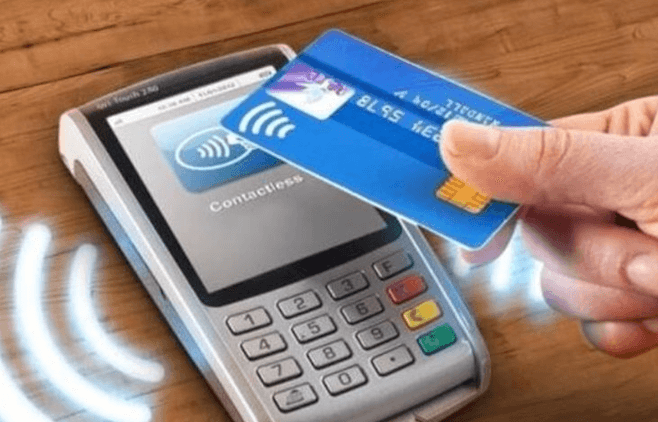
It is important to use contactless cards to prepare our payment habits for the future. In Turkey, one in every 3 cards and one in every 4 POS terminals is contactless-enabled, yet usage remains around 5%.

Diagram illustrating ISO 8583 Field 61 Point of Service (POS) data structure

ISO 8583

ISO 8583 Field Descriptions (F61)

F61 - POINT OF SERVICE (POS) DATA: This field provides information about the specific status of the POS at the time of the transaction. Position Usage Attribute 1 POS Terminal Attendance Indicator 0 = Attended terminal (Valid for MasterCard debit card and Maestro transactions only).

Diagram showing the structure of the ISO 8583 F54 Additional Amounts field

ISO 8583

ISO 8583 Field Descriptions (F54)

F54 - ADDITIONAL AMOUNTS is the additional amount field used in transactions. It can take different values depending on the transaction, such as carrying account balance information for balance inquiries.

Diagram illustrating card fraud and forgery in card payments

Security

What Is Forgery in Card Payments?

Forgery in card payments means transactions made with card details without the cardholder's knowledge, or purchases with counterfeit or stolen cards. Merchants cannot eliminate fraud and chargeback risk, but they should aim to reduce it to reasonable levels.

Contactless card payment at a POS terminal after the limit increase to 250 TL

Merchant & POS

Contactless transaction limit raised to 250 TL

Current information: this article describes the limit in force at the time of publication. To reduce the risk of the coronavirus (Covid-19) spreading, the contactless transaction limit on credit and debit cards was raised to 250 lira.