Skip to content

Search

"Terminal"

252 articles found

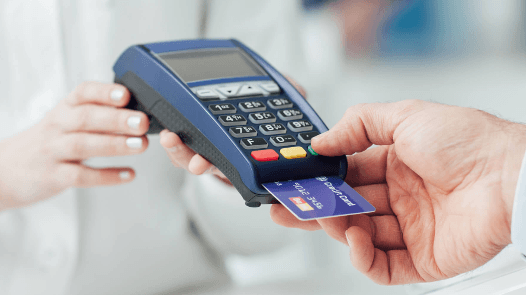
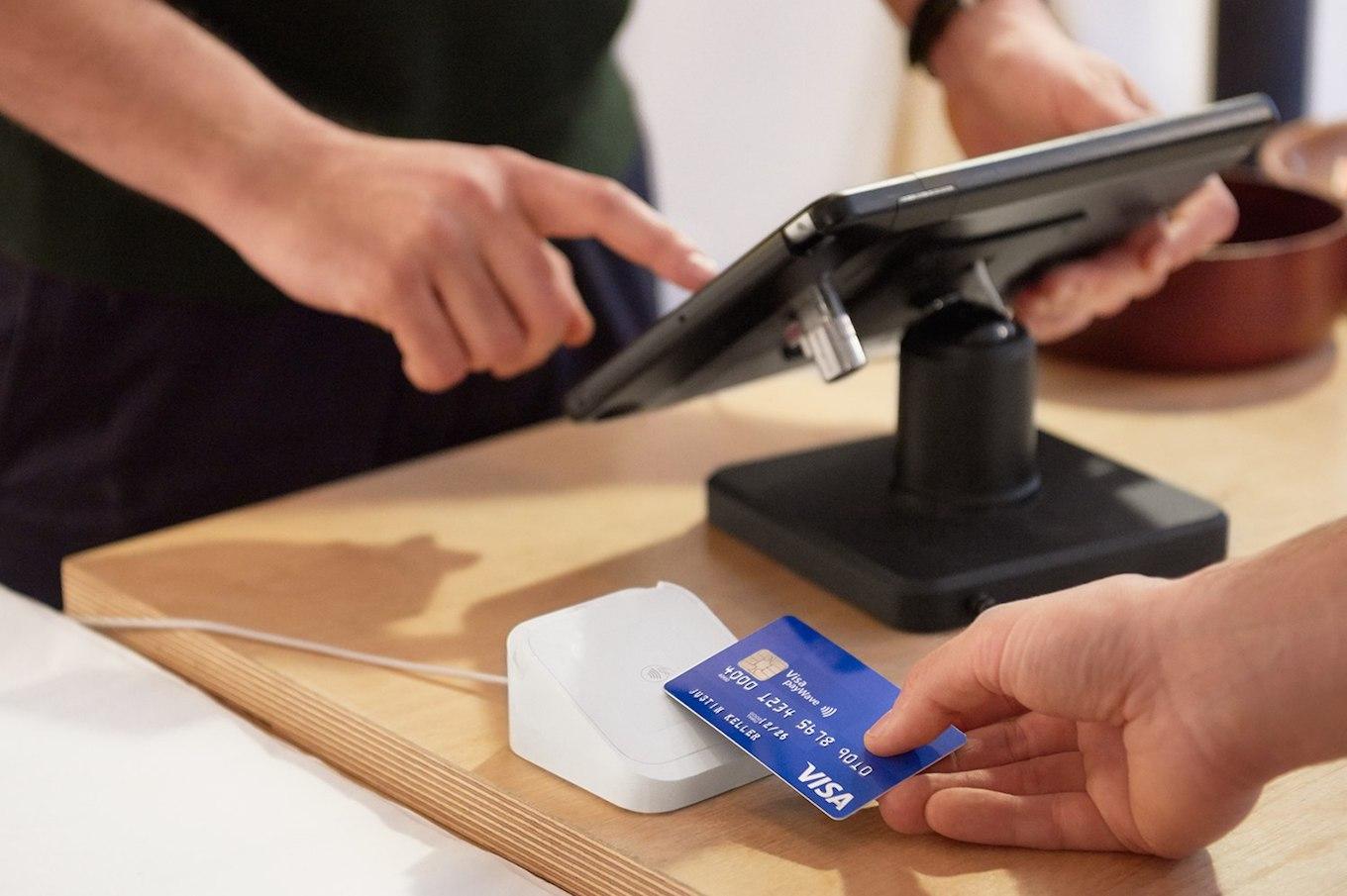
Customer making a contactless payment by tapping a card on a POS terminal

Contactless

What Is a Contactless Transaction?

A contactless transaction is a fast and secure payment made between a credit card and a POS terminal without direct contact, without reading the card's chip or magnetic stripe. Both the card and POS terminal must support contactless transactions.
GET DATA command flow in an EMV transaction

EMV

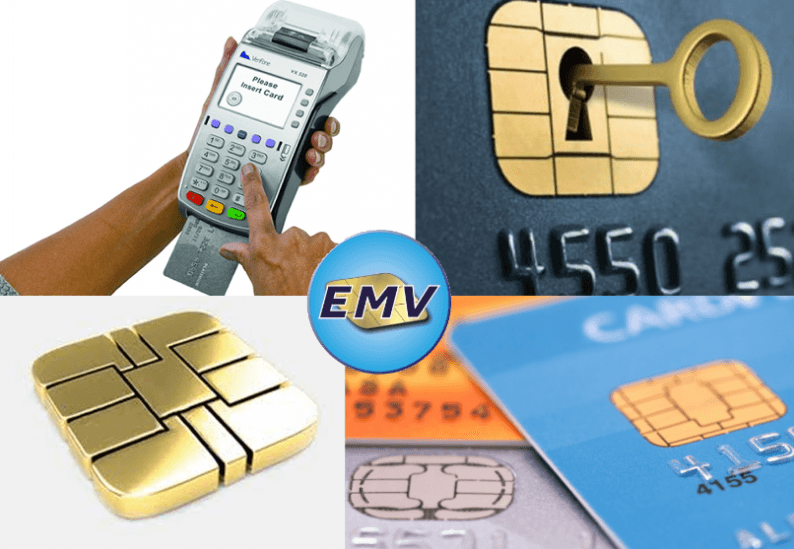
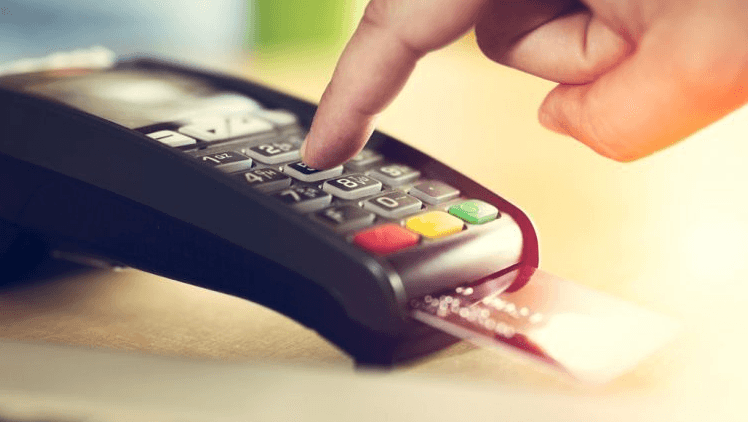
What is the GET DATA command?

The GET DATA command is used to retrieve a primitive data object that is not encapsulated in a record within the current application. It is used to retrieve certain primitive data objects interpreted by the application on the ICC.

Illustration representing Merchant Category Code classification for card transactions

Merchant & POS

What Does a Restricted/Prohibited MCC Mean?

The MCC code, or Merchant Category Code, is a 4-digit code used to classify merchants. Some MCC codes are restricted or prohibited, and POS terminals or card transactions may be blocked when such a code is used.

ISO 8583 F22 Point of Service Entry Mode table

ISO 8583

ISO 8583 Field Descriptions (F22)

F22 - POINT OF SERVICE ENTRY MODE: This field holds how the transaction was performed via the POS/ATM and the PIN entry capability of the POS device. The first 2 digits show how the transaction was performed, and the last digit (shown as x) carries the POS's PIN entry capability. Numeric...

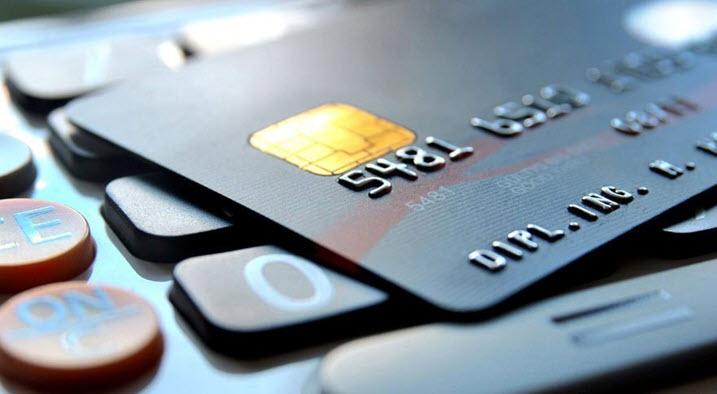
Payment card with an EMV chip

Clearing

What is Chip Condition Code?

Chip Condition Code is a code carried in the F60 (Additional Data) DE14 field during clearing that shows the chip read status. The possible values and their descriptions are listed below.

EMV upper consecutive offline limit

Merchant & POS

What Is the Upper Consecutive Offline Limit?

The Upper Consecutive Offline Limit is the maximum number of consecutive offline transactions allowed by the issuer's chip card application on a terminal that cannot go online. It is held in tag 9F23.

Diagram illustrating the TLV (Tag-Length-Value) data structure

Online & Authorization

What is TLV (Tag-Length-Value)?

TLV is a data storage method used to speed up the parsing of data. For example, reading data from a card's chip at a POS and carrying it through authorization uses the TLV structure.

Table of EMV Transaction Status Information (TSI) bit definitions

Merchant & POS

Transaction Status Information (TSI)

Contains the EMV steps performed by the Terminal in a transaction. The TSI fields, their possible values, and descriptions of the values are shown below.

Diagram illustrating ISO 8583 Field 12 local transaction time

ISO 8583

ISO 8583 Field Descriptions (F12)

DE 12-TIME, LOCAL TRANSACTION: the local time at which the transaction took place at the point of transaction (ATM, POS). 6 digits, hhmmss format. F12 differs from F7 (Transmission Date and Time).

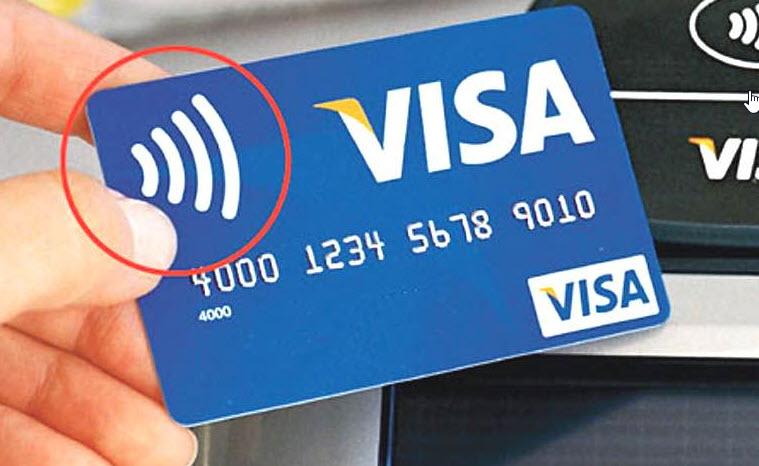
Contactless payment wave symbol printed on a bank card

Contactless

Does My Card Support Contactless Payments?

You can tell whether a card supports contactless payments by the four wave symbols printed on it. If the wave symbol is present, your card supports contactless transactions. If not, contact your bank for a new card.