Skip to content

Search

"data sharing"

84 articles found

Payment terminal running multiple bank applications as a shared POS

Payment Systems

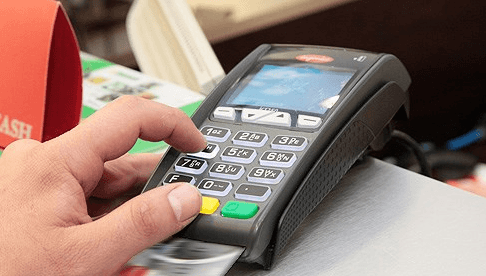
What is a shared POS? Key points for projects and testing

A shared POS is a bank or institution terminal that can host more than one application. This post covers the software, APN and authorization steps, and the key test scenarios to cover in a shared POS project.


Diagram illustrating open banking, where customer financial data is shared with fintech companies through APIs

Payment Institutions & E-Money

What Is Open Banking?

Open banking means sharing customers' financial information with a third-party fintech company so that a range of banking and financial services can be offered to them. It works through API integrations. This post covers its status in Turkey and the new BRSA regulation.

Diagram illustrating the PSD (Payment Services Directive) regulatory framework

Merchant & POS

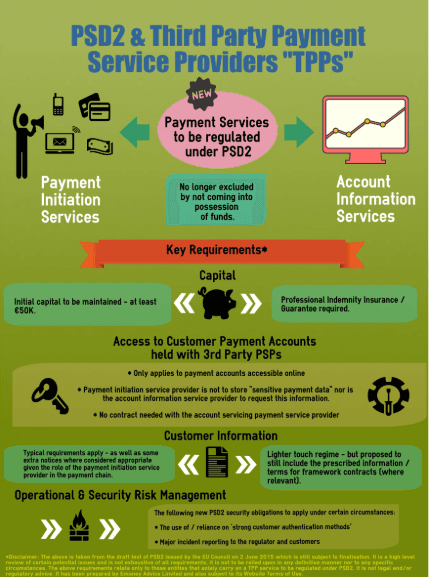
What is PSD (Payment Services Directive)?

PSD stands for Payment Services Directive, known as the Payment Services Law. It took effect in EU countries in 2009, and in 2015 new revisions were announced as PSD1, aiming to build an efficient, fast, secure, and competitive payment market.

Diagram showing the Terminal Authentication Key (TAK) concept

HSM & Security

What is TAK (Terminal Authentication Key)?

TAK stands for Terminal Authentication Key. It is the data encryption key used to generate and verify a Message Authentication Code (MAC) for data communication between a terminal and the acquirer within a local network.

E-commerce card data storage and security

Credit Card

Can E-Commerce Sites Store Card Details?

Legally, e-commerce sites should not store card details in their own systems; they should only use them when sending transactions. Unfortunately, some sites do not follow this rule.

Visa Merchant Purchase Inquiry (VMPI) process diagram

Fraud

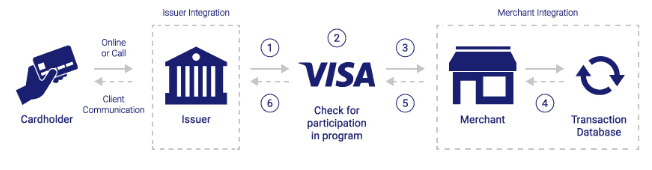
What is Visa Merchant Purchase Inquiry (VMPI)?

Chargeback is the process of refunding a credit card payment when the goods or services that should have been received were not, or when transactions not made by the cardholder are identified. In Turkish it is translated as reversal of presentment.

Diagram illustrating ISO 8583 field F23, the card sequence number

ISO 8583

ISO 8583 Field Descriptions (F23)

F23 - CARD SEQUENCE NUMBER: Information used to distinguish cards sharing the same card number. For example, the Card Sequence Number is incremented by 1 when a card is renewed. In an authorization transaction, if the F22 value is '05x'...

Diagram illustrating the Card Verification Key (CVK) concept

Credit Card

What is CVK (Card Verification Key)?

CVK (Card Verification Key) is the key information used to generate and verify CVV/CVC values, confirming their validity. It is kept as a pair of keys, CVK A and CVK B, encrypted under TMK, ZMK or LMK.