Skip to content

Search

"device management"

67 articles found

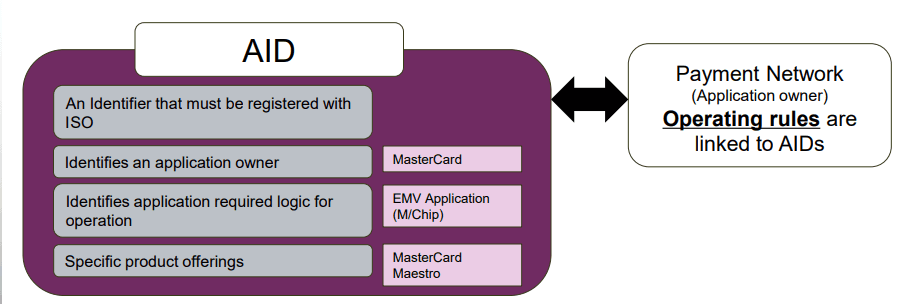
Illustration showing how an Application Identifier (AID) is used in a chip card transaction

EMV

What is an Application Identifier (AID)?

The AID tells the terminal which applications are present on a chip during a POS or ATM transaction. What does the AID do? It lets the terminal determine whether it supports an application on the chip. In Tag 9F06, it is 5-16 digits long.
Comparison of online and offline token verification in payment transactions

HCE

What Are Transaction-Based (Online/Offline) Token Types?

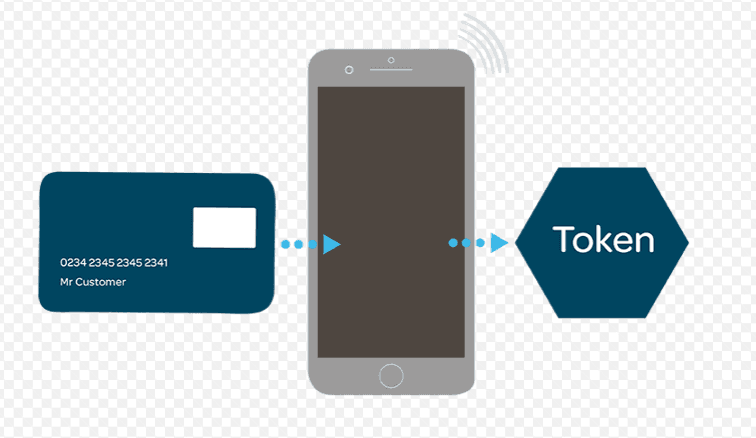
Token types vary depending on the verification method used in a transaction. In offline transactions, general checks are performed by the mobile app and card reader without any verification in the card system. In online transactions, token verification is sent to and verified by the issuer.

Illustration of digital transformation in payment systems

Merchant & POS

How Digital Are You in Payment Systems?

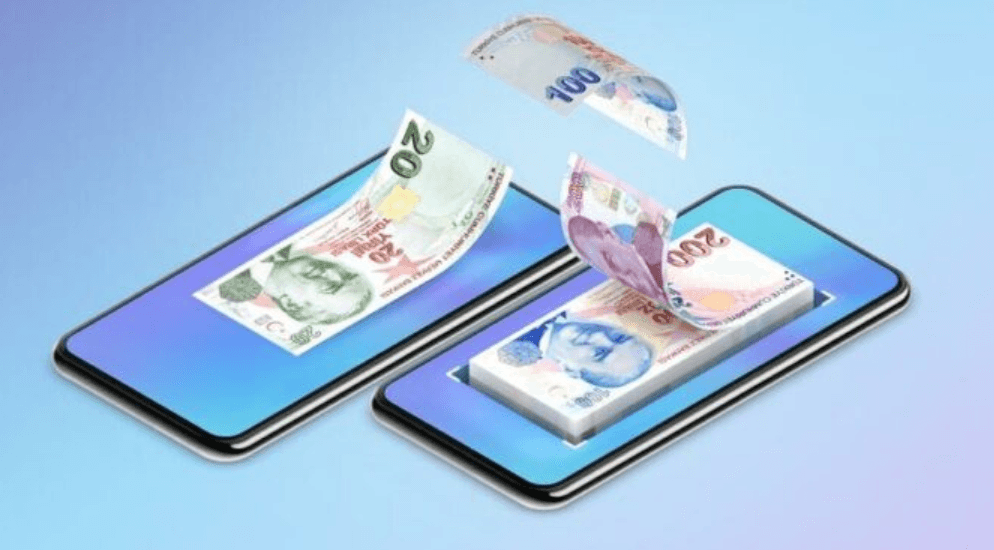
Digitalization has brought major change to payment systems, just as it has to every area of our lives. Its biggest impact has been turning the financial world into something virtual, spanning IoT, mobile payments, blockchain and biometrics.

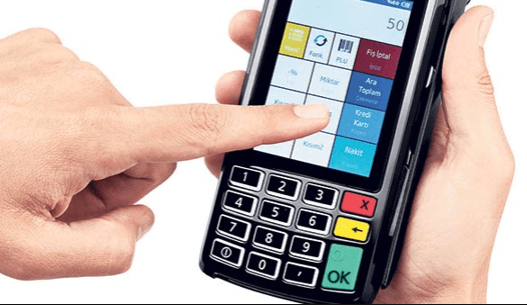
Diagram illustrating floor limit management on a POS terminal

Merchant & POS

How is Floor Limit Managed on POS?

The limit that governs the maximum amount for which an offline transaction can be made on a POS terminal is called the Floor Limit. POS parameter management programs (usually GMS) maintain 3 parameters for floor limit management.

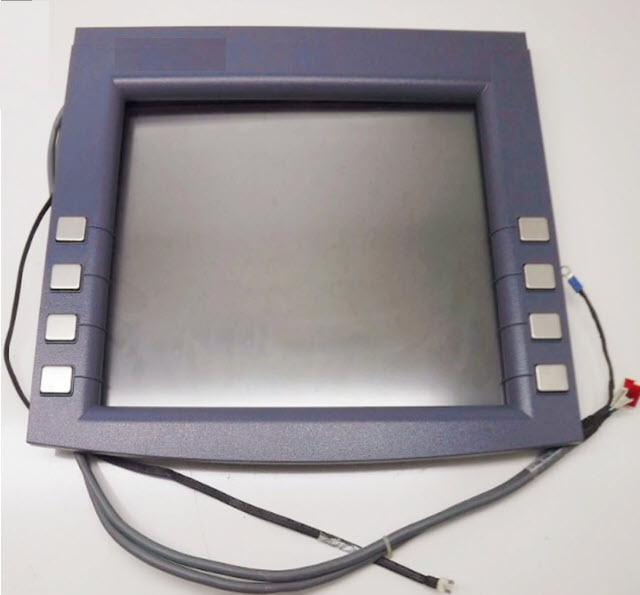
FDK function display key buttons on an ATM screen

ATM

What Is FDK (Function Display Key)?

At ATMs, transaction selection and processing are carried out using the buttons on the right and left of the ATM screen. These buttons are called FDK (Function Display Key) buttons. Does every ATM have FDK?

Illustration of a digital receipt delivered through a banking mobile app instead of a paper receipt

Payment Systems

Digital Receipt Era Is Coming...

The BRSA has introduced a regulation to reduce paper use in POS devices. Cardholders who do not want a paper receipt for card purchases will be able to receive and store it digitally, with the rules taking effect in September and December 2023.