
Merchant & POS
What Is an Unattended POS?
Unattended POS is a type of POS that is not managed by merchant staff and is triggered by the customer in self-service services. Its use has increased further with the rise of mobile payments.
Search
60 articles found
Merchant & POS
Unattended POS is a type of POS that is not managed by merchant staff and is triggered by the customer in self-service services. Its use has increased further with the rise of mobile payments.
Payment Systems
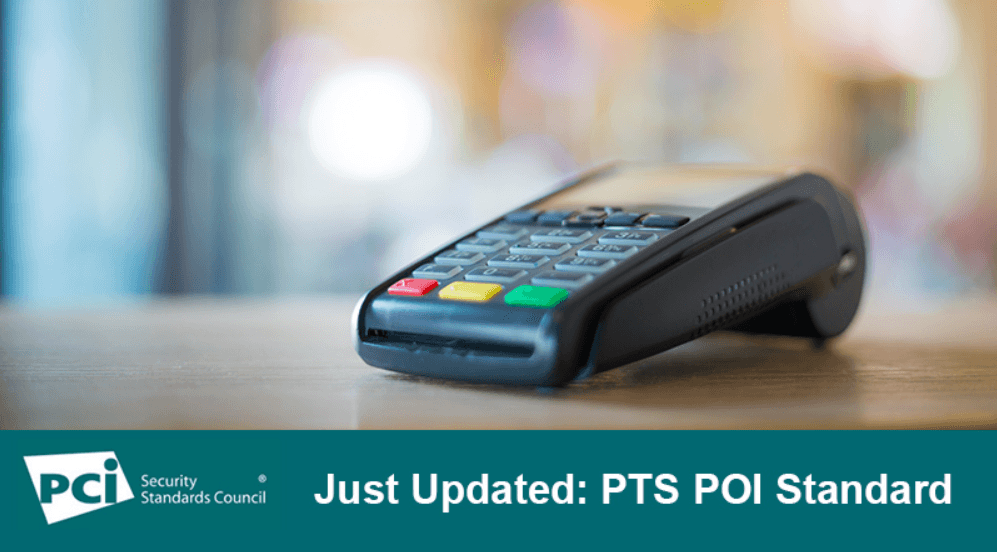
PCI Point of Interaction (POI) was introduced to minimize risk in card transactions. PCI POI Security Requirements cover physical and logical security for both online and offline PIN entry devices (PED) and secure card readers.

Credit Card
The Application Interchange Profile indicates the application functions supported by the card. The AIP values and their descriptions are given below. Where is the AIP found? The AIP is a 2-byte piece of data stored on the card, carried under EMV tag 82.

Merchant & POS
Contains the EMV steps performed by the Terminal in a transaction. The TSI fields, their possible values, and descriptions of the values are shown below.

Merchant & POS
AFL (Application File Locator) is the field that shows where on the card the data needed for the authorization transaction is located. AFL is a list of the application data records on the card, and the terminal uses it to read the application data.

Merchant & POS
Pin Entry Device is another name for the PIN pad device we all know and use daily. It makes it easier for users to enter their card PIN during POS transactions with credit or debit cards, and is used for contactless card reading...

EMV
The Pin Change/Unblock command is used after card issuance to let the issuer remove a card's PIN block, or instantly change the reference PIN and remove its block, as well.

E-commerce
Consumer-to-Consumer (C2C) is a business model in which consumers trade with each other, usually online. This post explains how C2C works, gives examples from Turkiye, and describes the types of C2C businesses.

EMV
DAC is the abbreviation for Data Authentication Code. It is a piece of data assigned by the issuer and held by the terminal during the Signed Static Application Data verification process.

Credit Card
The PIN Try Count is the maximum number of failed offline PIN verifications that can be made with the card. Banks usually keep both the consecutive wrong PIN count and the maximum wrong PIN count.

Credit Card
A real attempted card fraud story: a fake Facebook friend request, a promise of free bank points, and a request for card number, expiry date and CVV2. Here is what happened and how to protect yourself.

Credit Card
SDA (Static Data Authentication), DDA (Dynamic Data Authentication), and CDA (Combined Dynamic Data Authentication) are offline data authentication methods used in chip cards. Learn how each one validates the card and the transaction.