Merchant & POS
What Is an MCC (Merchant Category Code)?
MCC stands for Merchant Category Code: a 4-digit code used to classify merchants by business type. Codes differ slightly between Mastercard, Visa, and BKM.
Search
87 articles found
Merchant & POS
MCC stands for Merchant Category Code: a 4-digit code used to classify merchants by business type. Codes differ slightly between Mastercard, Visa, and BKM.
Chargeback
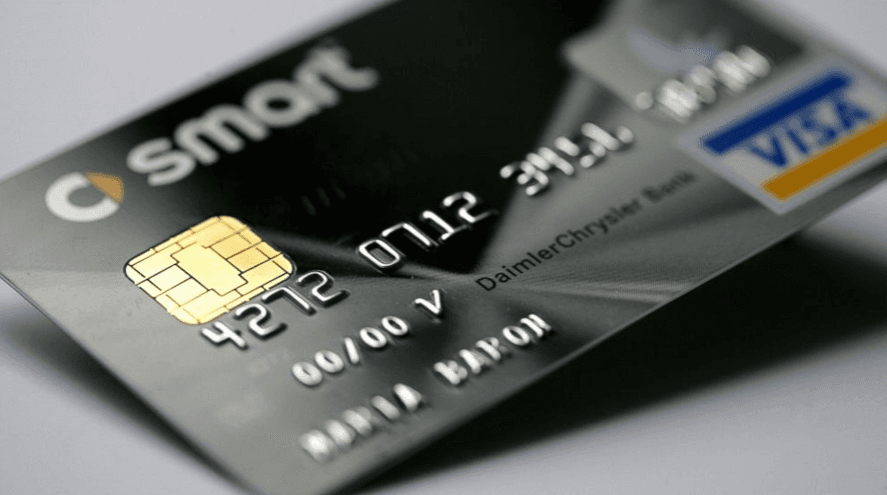
Compliance means adherence to card scheme rules. Outside chargebacks, it is how a bank that loses money because card payment organization rules were broken recovers that amount from the party that caused the loss.
Merchant & POS
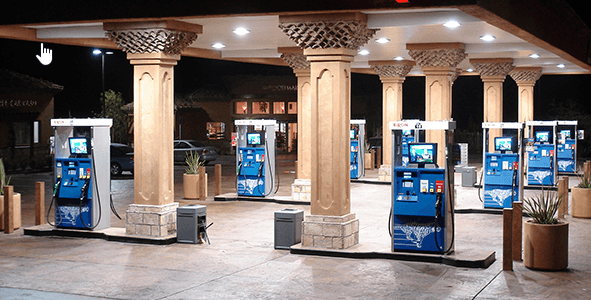
CAT (Cardholder Activated Terminal) devices are typically unattended terminals that accept various payment cards. These terminals are frequently installed at railway ticket stations, gas stations, toll roads, parking lots, and other commercial locations.
Merchant & POS
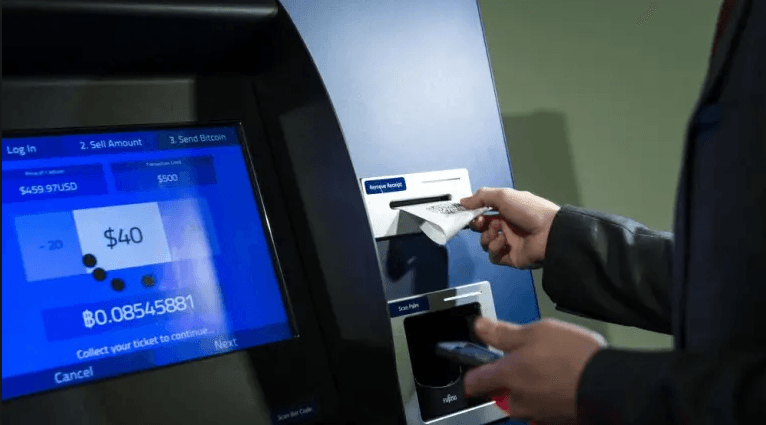
ATMs, which once only let customers withdraw cash from their accounts, have now turned into a channel where almost all branch transactions can be performed, and these functions keep growing year after year. So, are there different types of ATMs...

Payment Systems
The term 'Buy Now, Pay Later' (BNPL) refers to deferring payment on a purchase to a later date. The product is delivered to the customer before any payment is made, and the customer pays afterward.
ATM
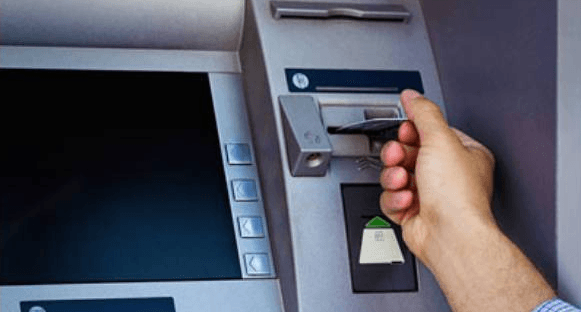
With a protocol signed on 04.04.2018, Türkiye's public banks launched the “Free Shared ATM Use” system, allowing their customers to use each other's ATMs free of charge for many transactions.
Credit Card
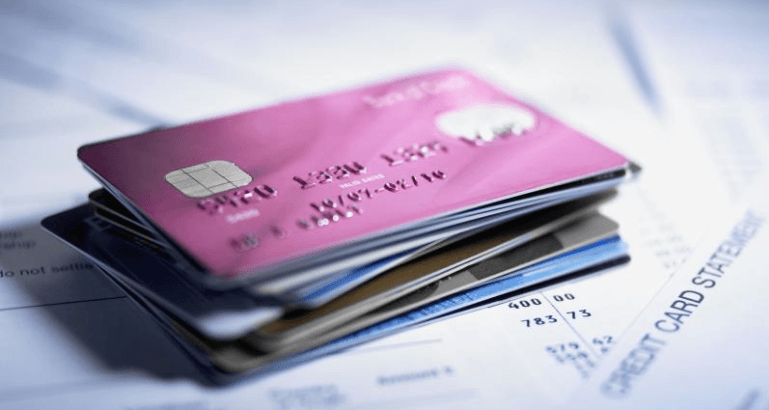
An installment is when a credit card transaction is split into a fixed number of monthly payments to the bank. For example, splitting a 100 TL purchase into 5 installments means paying the bank 20 TL per month until the full amount is paid off.

Merchant & POS
VPOS (Virtual POS) is the software-based, security-enhanced equivalent of the physical POS devices used for card payments at merchants, used for purchases made over the internet. It is also known as Virtual POS. VPOS is not issued to individual customers.

Merchant & POS
Virtual POS is the software-based, security-enhanced equivalent of the physical POS devices used for card payments at merchants, designed for online shopping. It is not issued to individual customers, only to sole proprietorships, companies, or foundations and associations.
ATM
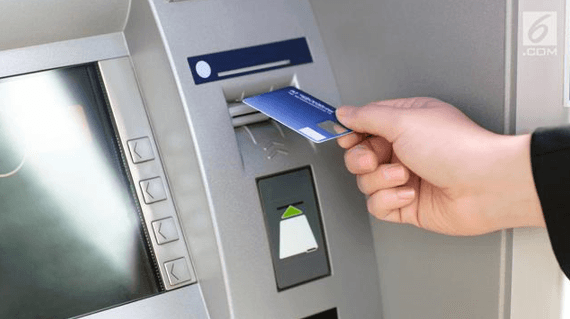
Moving branch transactions to channels such as ATMs, internet banking and mobile banking lowers banking costs, so almost every transaction can now be done through them. Here is what ATMs offer.
Merchant & POS
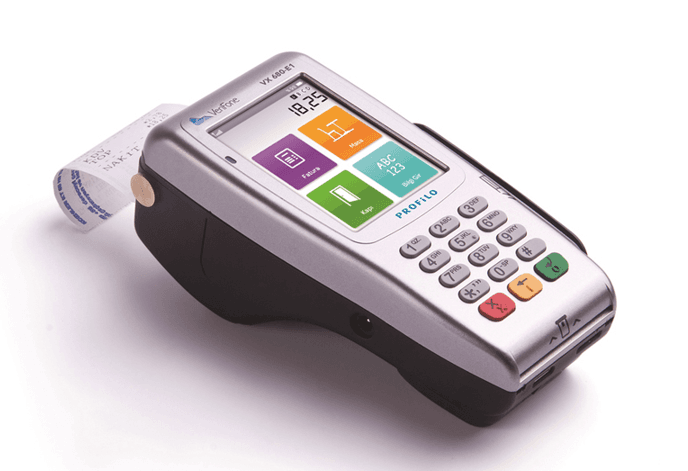
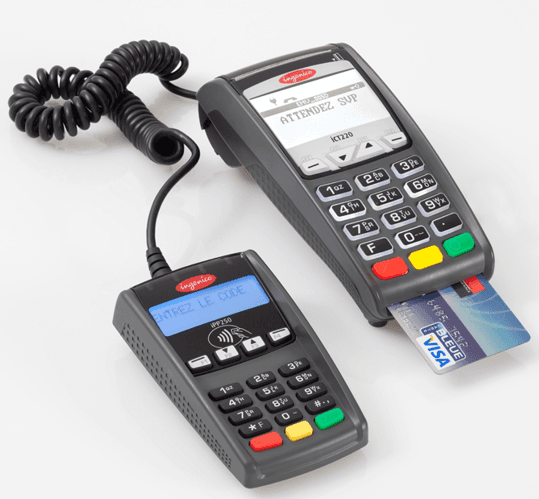
Virtual or electronic authorization devices connected to a bank, used by merchants to accept card payments. The term comes from the English phrase Point of Sale. Covers POS types by communication method, their advantages, who can use one, and the transactions a POS can perform.

Payment Institutions & E-Money
The Law defines e-money as monetary value issued in exchange for funds accepted by the issuer, stored electronically, used for payment transactions and accepted as a payment instrument by persons other than the issuer. This post explains e-money institutions and the services they may provide.