Skip to content

Search

"POS security"

122 articles found

Ingenico POS terminal illustrating POS brand and model

Merchant & POS

What does POS brand and model mean?

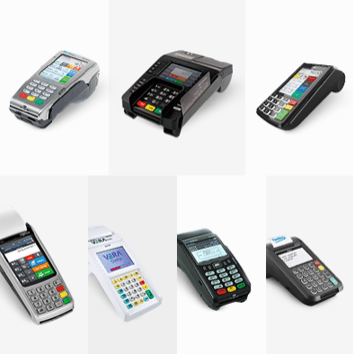
Just like a car, a POS device has a brand and a model, for example Ingenico ICT220 or Ingenico ICT250. Each model differs from the others: some have a contactless reader while others may not, and screens, memory and features vary.

Diagram showing how a Message Encryption Key (MEK) is used to encrypt and transmit a message

Merchant & POS

What Is Message Encryption Key (MEK)?

MEK stands for Message Encryption Key, a randomly generated or static key used to encrypt message content and ensure its secure transmission between parties.

Illustration depicting digital POS payment terminals

Merchant & POS

What is Digital POS?

The digital form of Point of Sale (POS) systems is called Digital POS. There is also a software-only subtype called Virtual POS. After Mobile POS (mPOS) and Virtual POS usage became widespread, the term digital POS came to refer to these two products.

Illustration representing the steps involved in launching a new payment card product

Credit Card

What Should Be Considered When Launching a New Product?

The following steps should be followed when launching a new product: decide on the brand, request a new BIN from the scheme (Mastercard, Visa, Troy), define the BIN in the bank's system, generate keys in the HSM, and roll it out after certification.

Diagram of a smartphone using Magnetic Secure Transmission (MST) to emit a signal that mimics a card's magnetic stripe at a POS terminal

Merchant & POS

What is MST (Magnetic Secure Transmission)?

Magnetic Secure Transmission (MST) is a mobile payment technology in which devices such as smartphones emit a signal that mimics the magnetic stripe on a traditional payment card, letting a physical card's POS use be imitated without upgrading terminal software or hardware.

Smartphone and Android POS device used as commercial off-the-shelf (COTS) devices for accepting payments

Online & Authorization

What are Commercial Off-the-Shelf Devices (COTS)?

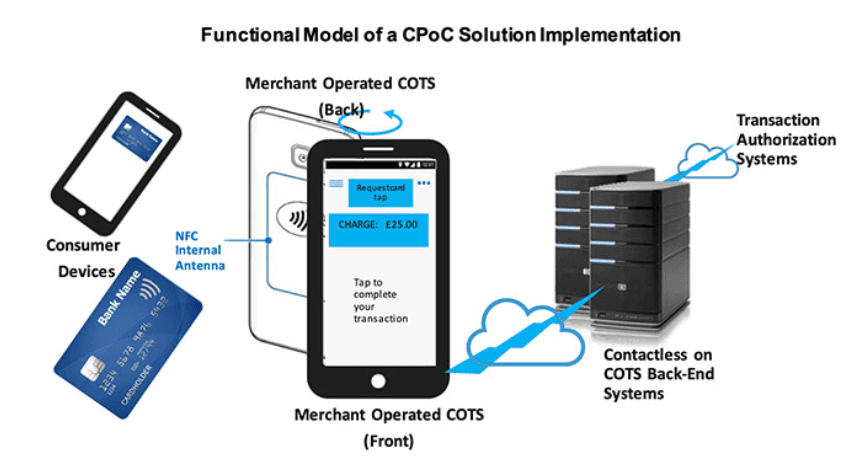
Commercial off-the-shelf (COTS) products and services are ready-made, packaged solutions adapted to a purchasing organization's needs, rather than custom-built ones. In payment systems, COTS includes ready-made payment apps for phones and Android POS devices.

Illustration of digital transformation in payment systems

Merchant & POS

How Digital Are You in Payment Systems?

Digitalization has brought major change to payment systems, just as it has to every area of our lives. Its biggest impact has been turning the financial world into something virtual, spanning IoT, mobile payments, blockchain and biometrics.

Illustration of collecting a card payment through an SMS payment link on a mobile phone

Merchant & POS

What Are the Advantages of Collecting Payments by SMS?

In the past, collecting a payment meant physically swiping a card through a POS device. Payment methods have since diversified so much that customer satisfaction, transaction counts and volumes have all increased. Here is why SMS payment is gaining popularity.

Illustration of a Card Not Present (CNP) online payment transaction

Credit Card

What Is a CNP (Card Not Present) Transaction?

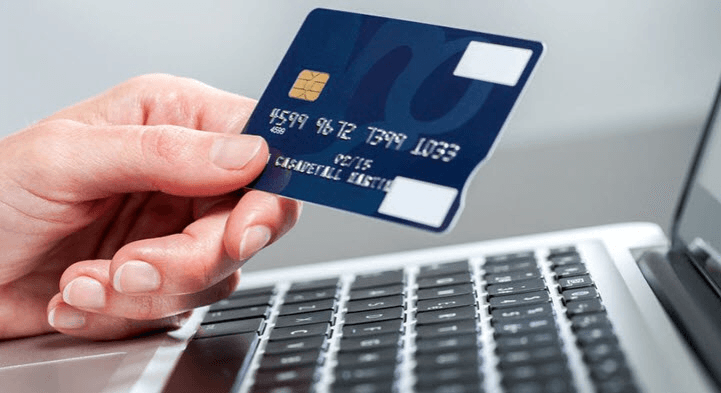
CNP refers to a transaction made through a website or a company's own app payment page, where the card is not read by any device and its details are entered manually. It is short for Card Not Present.

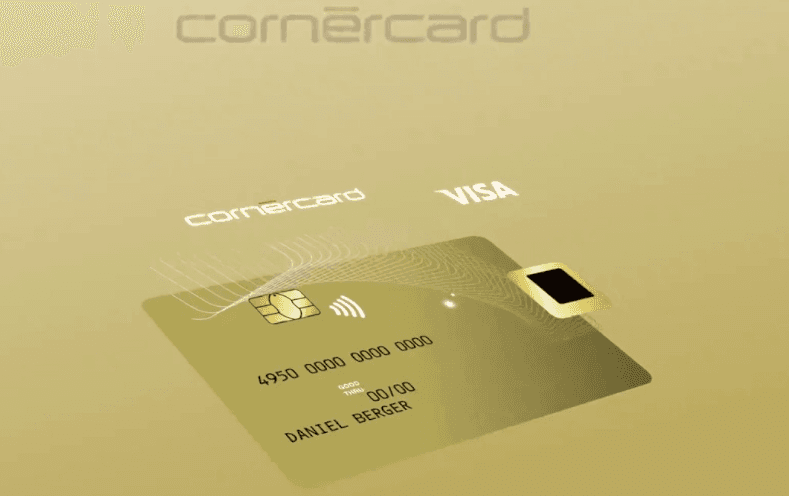
Credit card with a built-in fingerprint sensor for biometric cardholder verification

Credit Card

Who Wouldn't Want a Credit Card with a Biometric Reader?

Card security is critical in card payment systems. Chip&Pin curbed much fraud, but gaps remain. Cornercard, Gemalto and Visa launched Switzerland's first credit card with a built-in fingerprint reader. Here is how it works.

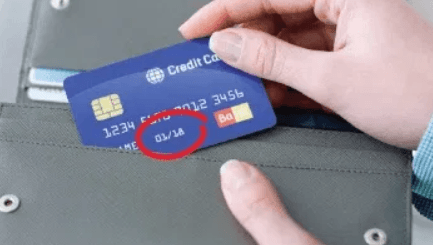
Credit card expiration date printed on the front of a card

Credit Card

What Is Effective Date?

The Effective Date is the information showing the date until which a card can be actively used. It can also be called the expiration date. It is a mandatory field printed on the card and used in transactions, set by banks for card security.