Skip to content

Search

"acquiring bank"

105 articles found

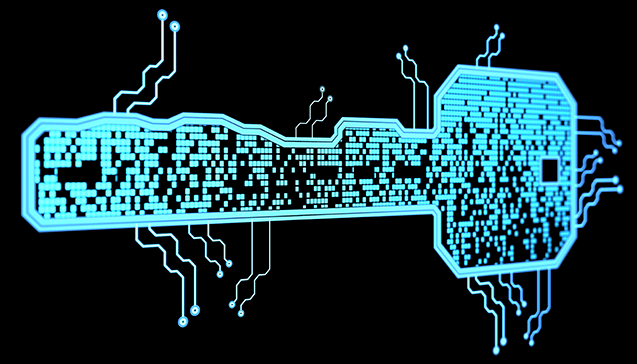
Diagram illustrating Terminal PIN Key (TPK) usage in POS and ATM devices

HSM & Security

What is TPK (Terminal PIN Key)?

TPK stands for Terminal PIN Key. It is a data encryption key used to encrypt PINs for transmission between a terminal and the terminal's bank (acquirer) within a local network. Learn how TPK is used in POS and ATM devices.
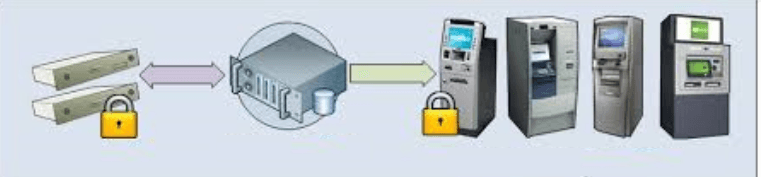
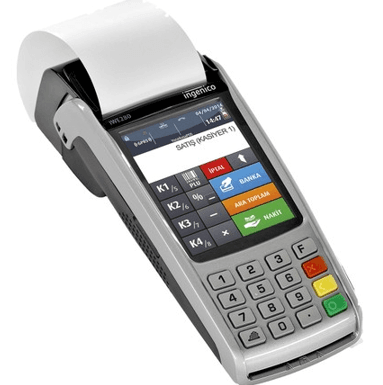
Diagram showing the Terminal Authentication Key (TAK) concept

HSM & Security

What is TAK (Terminal Authentication Key)?

TAK stands for Terminal Authentication Key. It is the data encryption key used to generate and verify a Message Authentication Code (MAC) for data communication between a terminal and the acquirer within a local network.

Diagram illustrating the Remote Key Loading (RKL) process

ATM

What Is RKL (Remote Key Loading)?

RKL is the process of distributing a TMK (Terminal Master Key) to each terminal from a central point. It is used to remotely load keys onto POS and ATM devices, loading TMKs onto an ATM's keypad or activating them on a POS.

Illustration representing an installment transaction made with a credit card

Credit Card

What is an Installment Transaction?

An installment transaction splits a payment into a set number of installments reflected on the cardholder's statement, when the card and POS bank are the same. For example, a 1000 TL transaction in 5 installments reflects 200 TL per statement period, starting from the first one.

Diagram illustrating the card payment arbitration process

Chargeback

What is Arbitration?

Arbitration, by definition, is a dispute resolution method in which disputes are settled by arbitrators the parties choose themselves, rather than by official courts. In payment systems, it follows a chargeback when the issuer and acquirer cannot agree.

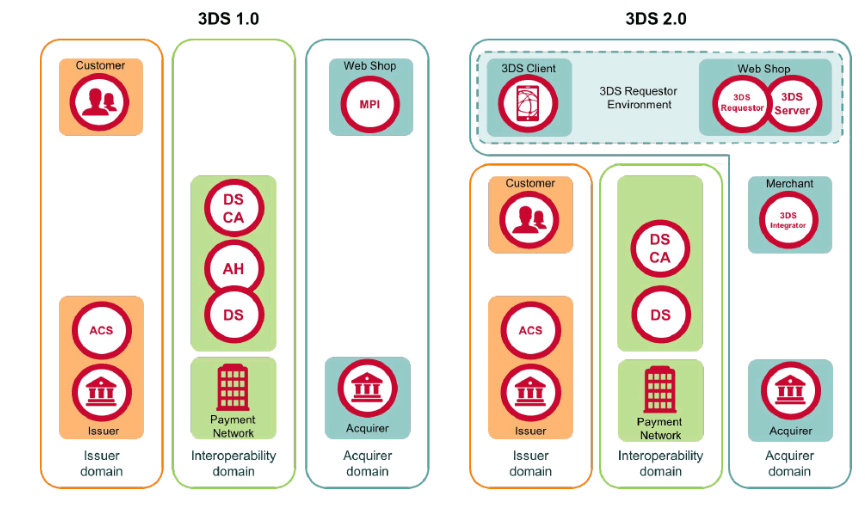
Architecture of 3DS 1.0 compared with 3DS 2.0, showing the issuer, interoperability and acquirer domains

Security

What Is 3D Secure 2.0?

Before 3D Secure 2.0, let's explain what 3D Secure is. 3D Secure is a two-layer payment authentication system that protects both the cardholder and the merchant in online payments. First released by Visa in 1999, it was later adopted by other card schemes…

Diagram of a good faith request exchanged between issuer and acquirer outside the chargeback process

Chargeback

What Is a Good Faith Request?

A good faith review request is a written request that issuers and acquirers send each other to collect on a transaction when the dispute (chargeback) process cannot be run. The requesting party states its grounds.

Illustration of a point-of-sale terminal checking a card against a warning list

Merchant & POS

What is the Combined Warning List (BUL)?

The Combined Warning List (BUL) lists card numbers the issuer wants blocked (lost, stolen, counterfeit, etc.), which acquiring merchants check within certain limits, at their own risk, when online authorization cannot be obtained.

European Payments Initiative (EPI) overview graphic

Payment System Institutions

What is EPI (European Payments Initiative)?

The European Payments Initiative (EPI), formerly known as PEPSI, is an ECB-backed payment integration initiative aiming to build a pan-European payment system and interbank network to rival Mastercard and Visa. Its founding members include BBVA, BNP Paribas, CaixaBank, Commerzbank and others.

Overview of card scheme organizations such as Troy, Visa and Mastercard

Laws & Regulations

What Is a Card Scheme Organization?

A card scheme organization establishes a debit, credit or prepaid card system and authorizes entities to issue cards or sign merchant agreements. Troy, Visa, Mastercard, American Express, JCB and MIR are examples. This post explains how ATM and POS certification works.