Skip to content

Search

"systemically important"

145 articles found

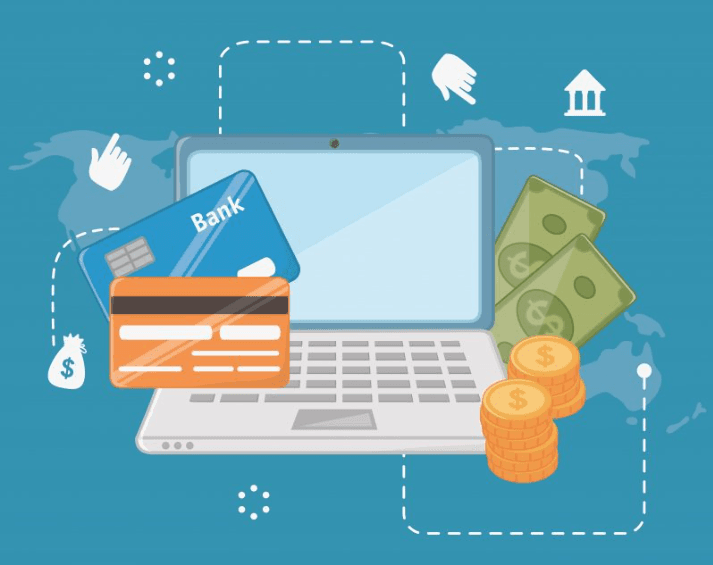
Illustration of an e-commerce checkout page with card payment fields

Merchant & POS

How Important Is the Checkout Page in Payments?

The checkout page is where an online purchase is completed, and cart abandonment is highest there. This post lists design tips: support all cards, limit transition pages, show security cues, allow guest checkout and remove distractions.
Cover of the Visa Merchant Data Standards Manual document

Merchant & POS

What Is the “Merchant Data Standards Manual”? How Can I Access It?

Visa's Merchant Data Standards Manual covers classification, identification and data standard requirements for merchants, payment facilitators and marketplaces, including merchant naming, location and MCC rules. Here is what it contains and where to find it.

Diagram illustrating the PSD (Payment Services Directive) regulatory framework

Merchant & POS

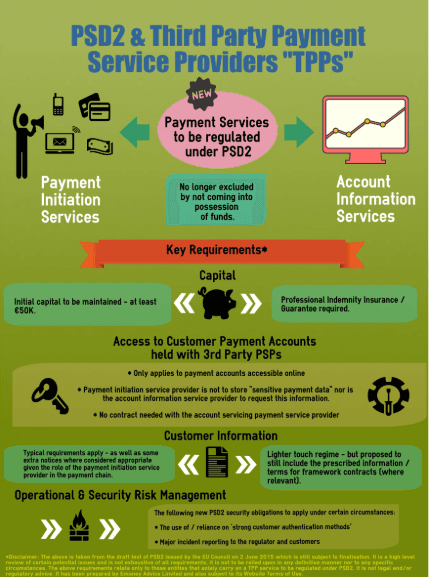
What is PSD (Payment Services Directive)?

PSD stands for Payment Services Directive, known as the Payment Services Law. It took effect in EU countries in 2009, and in 2015 new revisions were announced as PSD1, aiming to build an efficient, fast, secure, and competitive payment market.

Diagram showing payment systems components managed in-house by a bank

Merchant & POS

What Is 'In-house' in the World of Payment Systems?

In-house is a term widely used in the world of payment systems. It means that payment systems applications are managed end-to-end within the bank's own systems, both in terms of code and process.

Deutsche Bank Tarjeta Calma credit card featuring dynamic CVV technology

Credit Card

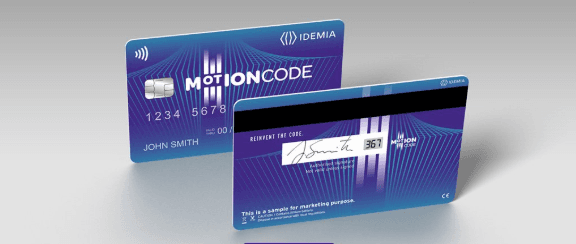
Deutsche Bank produces a card with a CVV that changes every 4 hours

Germany-based Deutsche Bank is launching a new credit card in Spain with a dynamic CVV code that changes every four hours, to make online shopping more secure. Deutsche Bank partnered with Mastercard and Idemia for the new card, launched under the Tarjeta Calma brand.

Illustration depicting digital POS payment terminals

Merchant & POS

What is Digital POS?

The digital form of Point of Sale (POS) systems is called Digital POS. There is also a software-only subtype called Virtual POS. After Mobile POS (mPOS) and Virtual POS usage became widespread, the term digital POS came to refer to these two products.

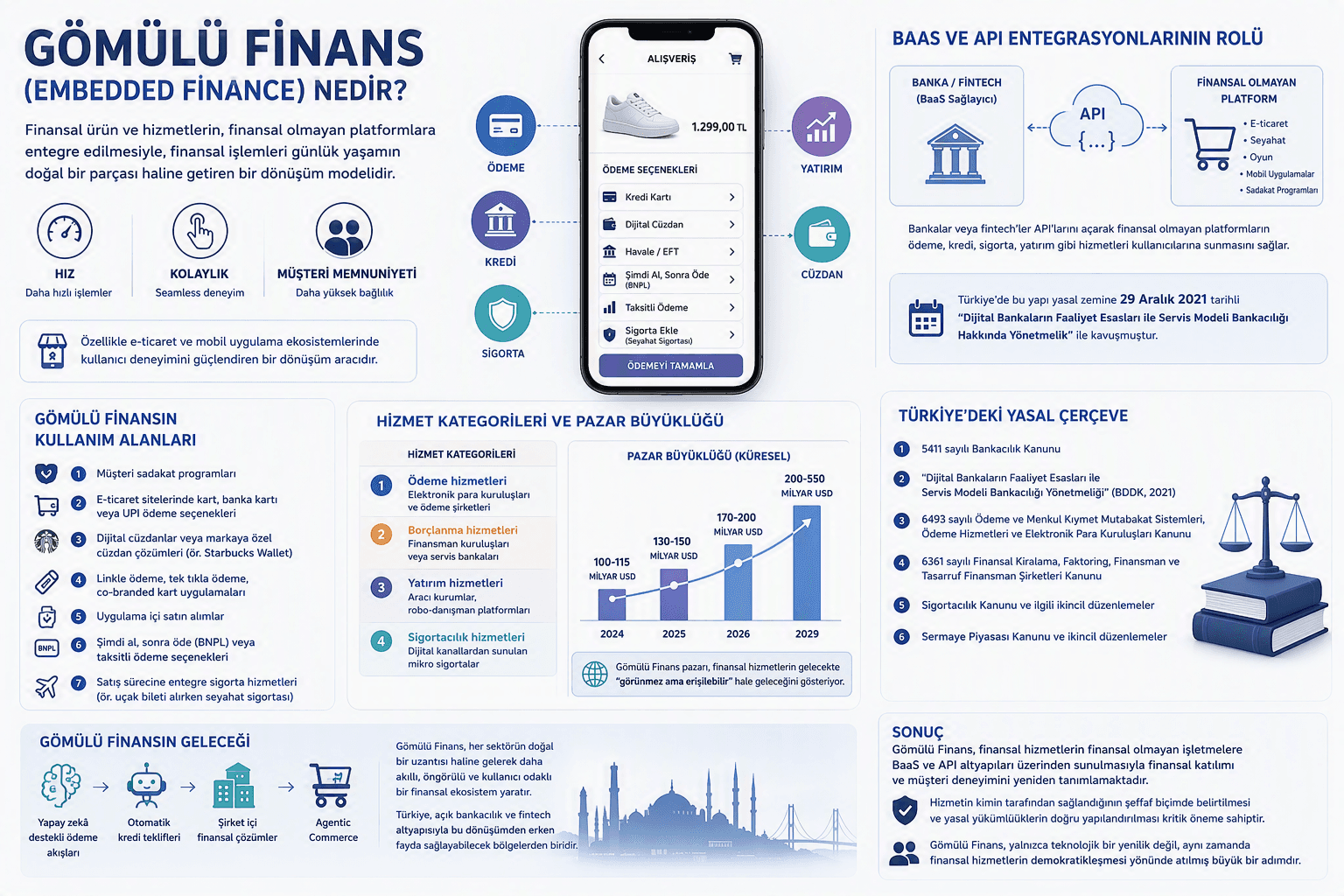
Illustration of embedded finance, with payment, credit, insurance and investment services built into everyday digital platforms

Open Banking

What Is Embedded Finance?

Embedded Finance means integrating financial products and services into non-financial platforms, experiences or business processes. In other words, services offered by financial institutions become part of the product or service flows of non-financial organizations.

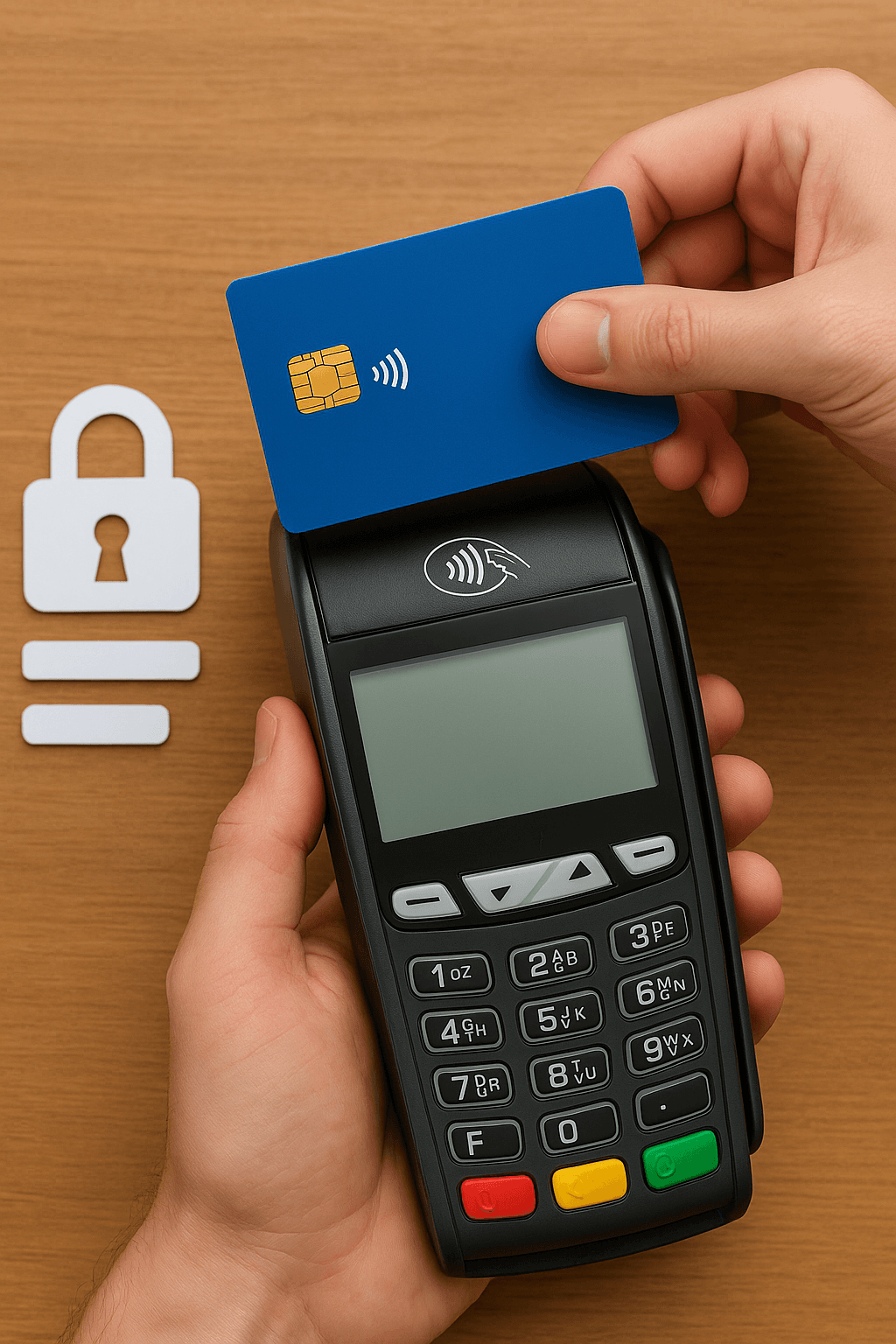
Illustration of customer-based contactless card limit management

Payment Systems

Can a Card's Contactless Limit Be Managed on a Per-Customer Basis?

Contactless payment has greatly improved the user experience, yet its fixed transaction limit is a common complaint. Can this limit be managed dynamically per customer? This post covers the current situation, technical and regulatory requirements and the outlook.

Illustration representing a bank-owned POS device rented to a merchant

Merchant & POS

What is the Merchant Rental Fee?

When any sole proprietorship or commercial business applies to become a merchant, banks install a POS device, paying significant amounts to purchase each one, then rent the devices to merchants.

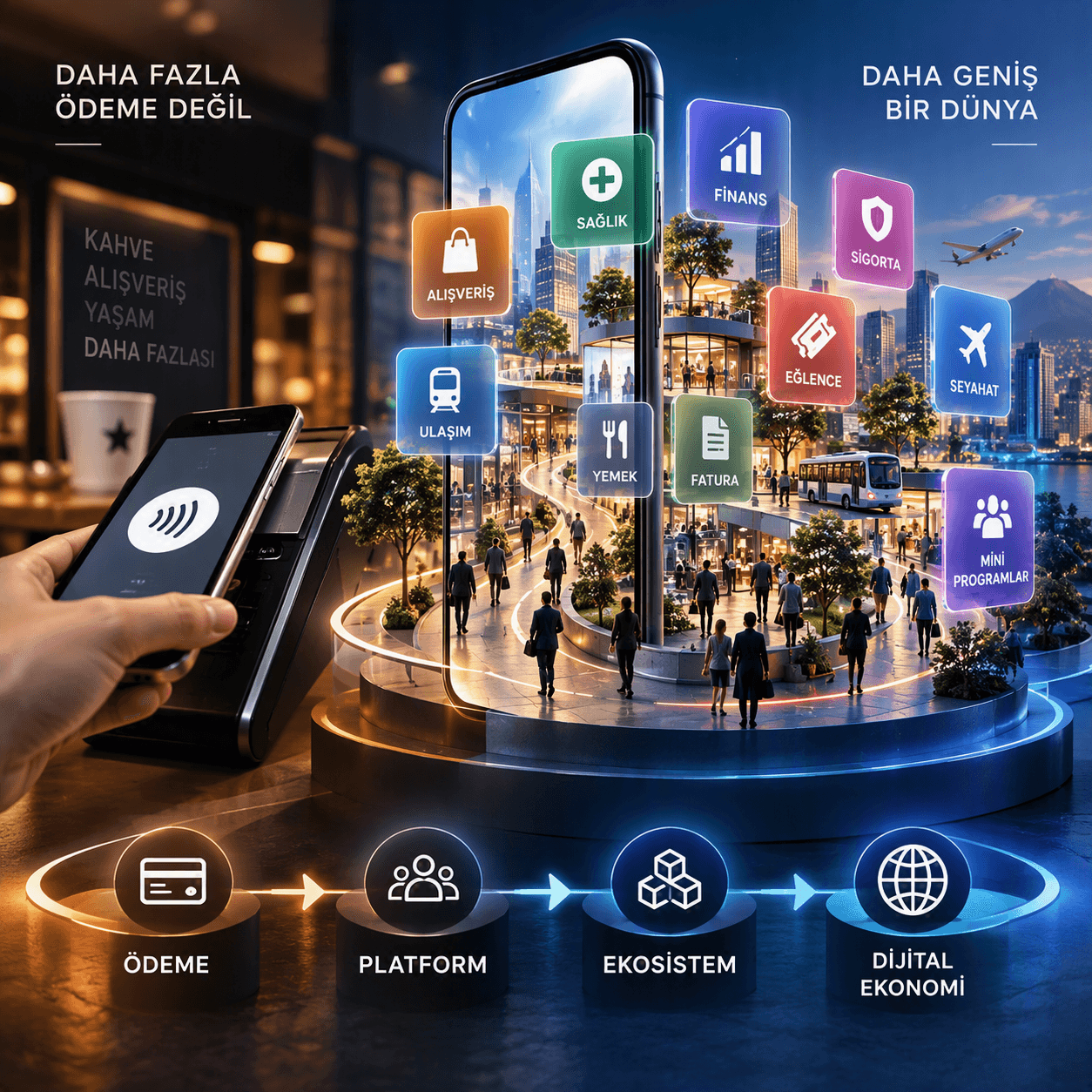
Illustration of a closed-loop payment ecosystem growing through loyalty, data, and new services

Closed-Loop Payments

Why Do Closed-Loop Payment Systems Want to Grow? | Series #6

Why does a coffee chain build its own loyalty program, and why does a payment app keep adding services? This post looks at how loyalty, data, and new services drive the growth of closed-loop payment systems, and at the financial layers behind that growth.