Skip to content

Search

"Banking Law"

105 articles found

Illustration of a Know Your Customer (KYC) identity verification process

Payment Systems

What is KYC (Know Your Customer)?

Know Your Customer, in short, means identifying your customer. The process by which institutions identify their customers and determine their suitability for a business relationship and the risks they may pose is called KYC.

Bitcoin versus electronic money comparison illustration

Payment Systems

Is Bitcoin Electronic Money?

Electronic money is a legally defined concept in Türkiye under Law No. 6493. Since Bitcoin is not linked to any central bank or official institution and does not meet the required conditions, it cannot be considered electronic money.

Diagram illustrating how a Payment Facilitator connects merchants to banks for card payments

Merchant & POS

What Is a Payment Facilitator (PF)?

A Payment Facilitator (PF) is a licensed payment institution that lets merchants accept card payments without applying to banks directly. Learn how it works.

Diagram of an alternative payment system routing online card payments through multiple bank virtual POS accounts

E-commerce

What Are Alternative Payment Systems?

Alternative payment systems are services from intermediary companies that use virtual POS accounts in the background to benefit merchants. Law No. 6493 calls them payment institutions. This article compares them with bank virtual POS accounts.

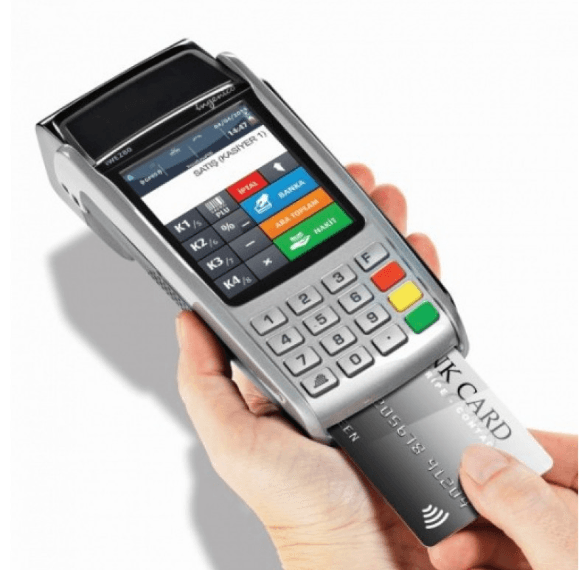
Illustration of a physician POS (doctor POS) device used in medical practices

Merchant & POS

What is Physician POS (Doctor POS)?

Doctor POS devices are POS terminals designed for physicians, dentists, and veterinarians who are income taxpayers, meeting the requirements set out in the General Communique of the Tax Procedure Law (VUK).

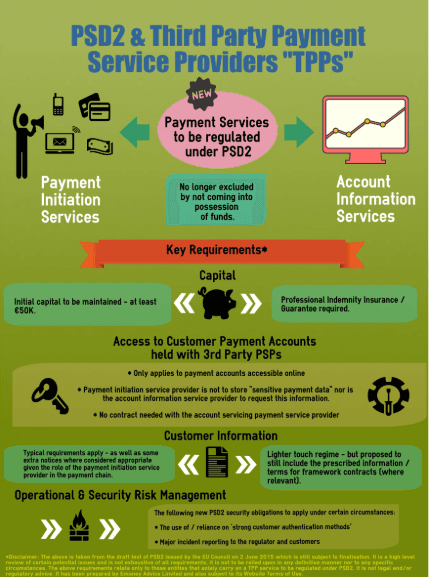
Diagram illustrating the PSD (Payment Services Directive) regulatory framework

Merchant & POS

What is PSD (Payment Services Directive)?

PSD stands for Payment Services Directive, known as the Payment Services Law. It took effect in EU countries in 2009, and in 2015 new revisions were announced as PSD1, aiming to build an efficient, fast, secure, and competitive payment market.

Illustration of an AI-based payment agent making payments automatically on behalf of a user

Payment Systems

What Are AI-Based Payment Agents?

Digitalization keeps changing the speed and shape of payments. AI-based payment agents pay on their own within user-defined limits and rules, completing transactions without the user initiating any action. This post explains how they work and what to watch for.

Electronic money definition illustration

Payment Institutions & E-Money

What Is Electronic Money?

In general, electronic money is monetary value stored on a protected technological device. Turkish law defines it under Law No. 6493 as electronically stored value issued against funds and accepted by third parties as a means of payment.

Diagram illustrating how taxes are applied to payment institution money transfer commissions

Laws & Regulations

How Is Taxation Applied to Payment Institution Money Transfer Services?

When payment institutions and e-money institutions were first established, the commissions they collected from customers were subject to VAT. Because they carry out activities similar to banking, BSMV was also debated. The General Communiqué on Expense Taxes (Series No: 91) resolved this.