
Credit Card
What is the Service Code on Cards?
The service code is information printed on a card's Track 1 and Track 2 data, covering card type, PIN usage, and domestic/international usage status. It is kept at the product level in bank systems.
Search
231 articles found
Credit Card
The service code is information printed on a card's Track 1 and Track 2 data, covering card type, PIN usage, and domestic/international usage status. It is kept at the product level in bank systems.

Online & Authorization
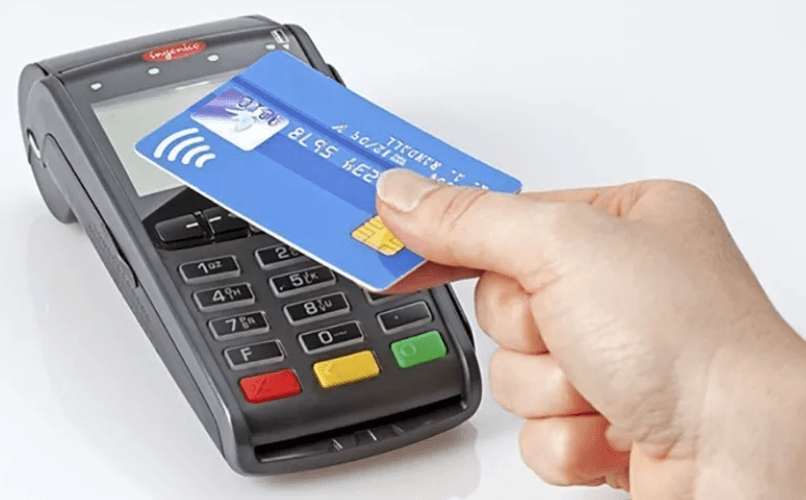
A contactless transaction is a fast, secure payment made without direct contact between the card and the POS terminal (without reading the chip or magnetic stripe). Can every card be used for contactless payments? For a transaction to be contactless…

Credit Card
CVV is short for Card Verification Value, a term used by Visa. CVC is short for Card Verification Code, a term used by MasterCard. The CVV/CVC code is used for cardholder verification and to reduce fraud risk.
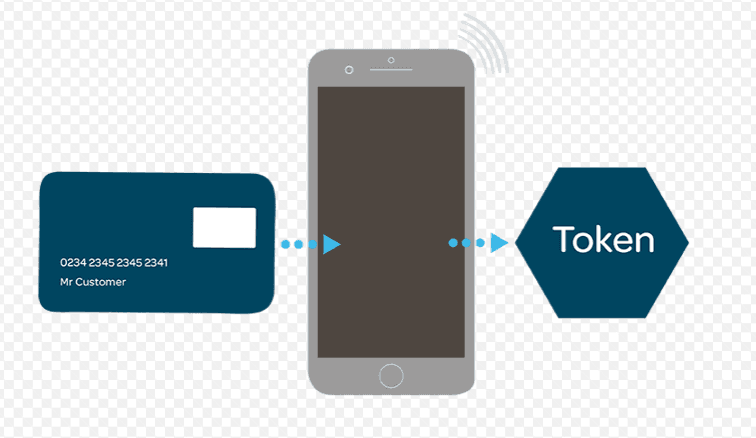
HCE
Generating a token from the card number is essential to the security of payments made with mobile devices. The level of tokenization used depends on the need and on how critical the token is. Static tokenization: the token is generated once and stored in a database.

Payment Systems
PA DSS (Payment Application Data Security Standard) is a global security standard created by the PCI SSC. Even if you do not need to comply with it, PA DSS remains a valuable guide for auditing and building secure payment applications.

Merchant & POS
In payment systems, every exchange between POS devices and bank or payment institution systems runs on a specific messaging standard, generally based on ISO 8583. However, each country, bank, or switch network defines its own version of this standard.
Credit Card
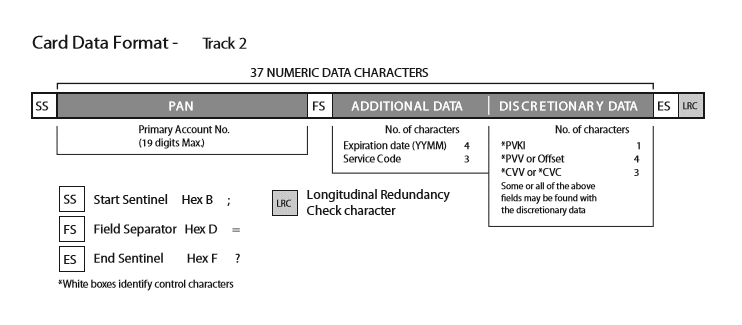
A special data set printed on a card's magnetic stripe, containing the card information required for authorization when the card is used physically. It consists of 40 numeric characters. The Track2 field structure includes several data fields such as length and description.

Credit Card
CVV is a very critical 3-digit value used during a card's authorization process. The CVV value is encoded in the card's magnetic stripe data (Track 1 and Track 2). Is it generated by an algorithm or chosen at random?
Credit Card
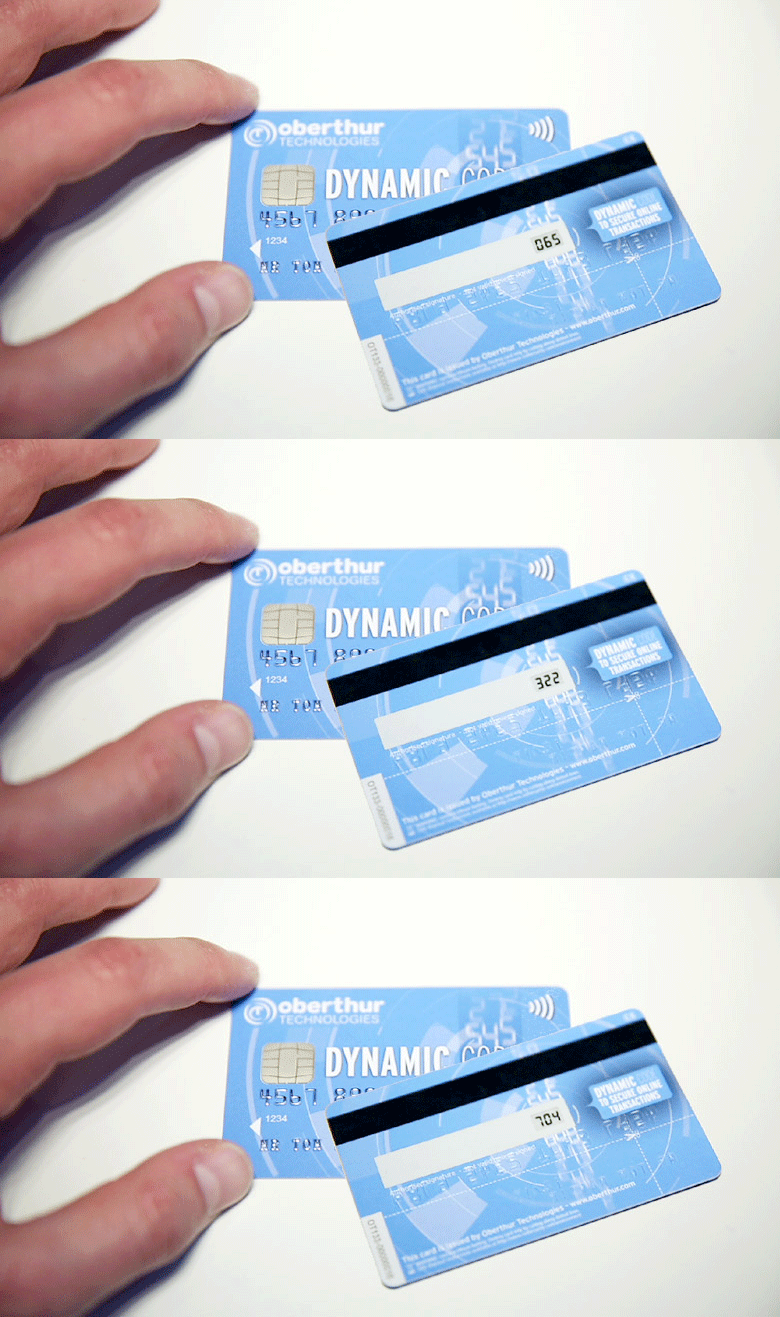
It is a CVV2/CVC2 code that changes every few minutes instead of the static code printed on the back of a credit card, aimed at reducing fraud risk in CNP (Card Not Present) transactions.
EMV
The Application Block command is sent to invalidate the selected application on a card after the card has been issued. Unlike Card Block, it can be reversed.
Merchant & POS
Contains the terminal-resident data objects (tags and lengths) that the ICC needs when processing the GET PROCESSING OPTIONS command. In short, it is the list of information the card requests from the terminal before starting the transaction.
Merchant & POS
A Card Recovery Bulletin is a list of problem cards (lost, stolen, expired, over-limit, counterfeit or otherwise flagged) published by card schemes such as Visa or MasterCard. It shows whether a card number is listed on the date of purchase.