Skip to content

Search

"returns"

96 articles found

Diagram illustrating the PIN Try Counter concept on a payment card chip

Credit Card

What Is PIN (Personal Identification Number) Try Counter?

The PIN Try Counter is a value stored on the card's chip showing the number of remaining offline PIN attempts. Each incorrect offline PIN entry decreases it by 1, and it resets when the correct PIN is entered.
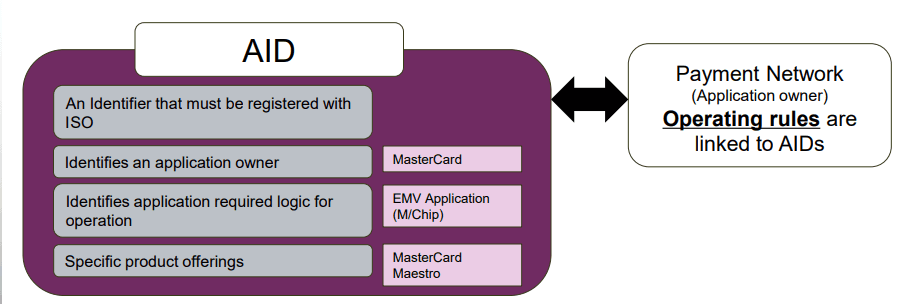
Diagram of chip card file structure showing MF, DF, and EF layers

EMV

What is Dedicated File Name (DFN)?

DFN is the abbreviation for Dedicated File Name. It defines the name of the DF (Dedicated File) as described in ISO/IEC 7816-4. It is the data found in Tag 84, 5 to 16 characters in length.

Illustration showing how an Application Identifier (AID) is used in a chip card transaction

EMV

What is an Application Identifier (AID)?

The AID tells the terminal which applications are present on a chip during a POS or ATM transaction. What does the AID do? It lets the terminal determine whether it supports an application on the chip. In Tag 9F06, it is 5-16 digits long.

Illustration of a multicurrency POS terminal supporting multiple foreign currencies

Merchant & POS

What Is a MultiCurrency POS?

Multicurrency POS refers to POS devices that can process transactions in foreign currencies (USD, EUR, GBP, etc.) in addition to Turkish Lira. Merchants using a MultiCurrency POS can process transactions in different currencies for international cardholders.

PIN pad device connected to a POS terminal

Merchant & POS

What Is a PIN Pad Device?

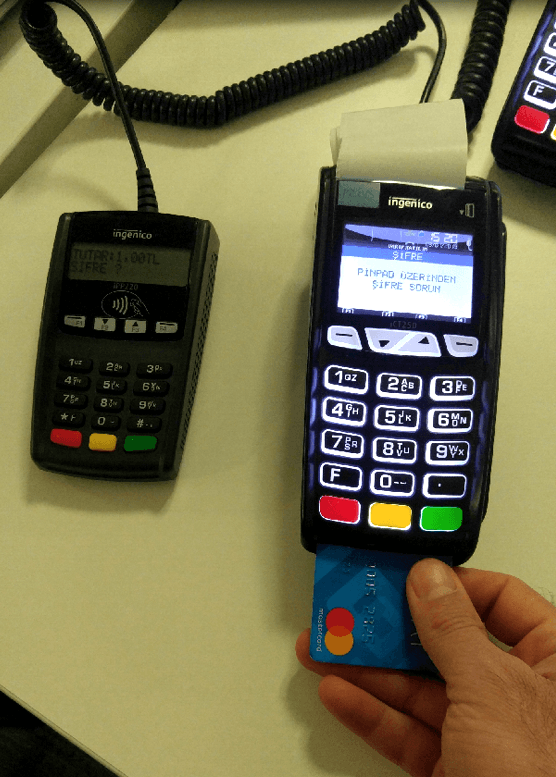
A PIN pad lets cardholders safely enter their PIN during POS transactions and lets contactless cards be tapped to transfer card data to the POS. Here is how it works.

News clipping about the arrest of hacker Hakan Karacaoglu

Fraud

Famous Hacker Caught After 8 Years

Recently the following news story appeared in the papers. Two things stood out: the hacker was a former banker, and the device he used to clone cards. In banking fraud, insiders who know the system's weak points can build schemes customers never notice.

Card refund receipt standards illustration

Merchant & POS

What Are the Standards for Refund Receipts?

Cardholders may request a refund through the merchant for POS transactions due to wrong deliveries, returned goods and similar reasons. Here is the information a refund receipt must contain, including extra fields for e-commerce.

Diagram illustrating the types of chargeback disputes in card payments

Chargeback

What are the chargeback dispute types?

A chargeback is a dispute raised against a card transaction when the cardholder did not make it or does not recall it. The dispute types vary depending on the situation; let's look at them.

Diagram illustrating how a recycle ATM reuses deposited banknotes for withdrawals

ATM

What is a Recycle ATM?

ATM devices were originally designed for customers to withdraw cash from their accounts. But since many transactions are now possible through ATMs (for example, deposits), many improvements have been made for more effective ATM use. One of the most important examples is Recycle ATMs.

Warning illustration about a fake social media gift points scam targeting card details

Credit Card

Congratulations, You Won Gift Points..

A real attempted card fraud story: a fake Facebook friend request, a promise of free bank points, and a request for card number, expiry date and CVV2. Here is what happened and how to protect yourself.

Diagram illustrating the tokenization and detokenization process for card payments

HCE

What Are Tokenization and Detokenization?

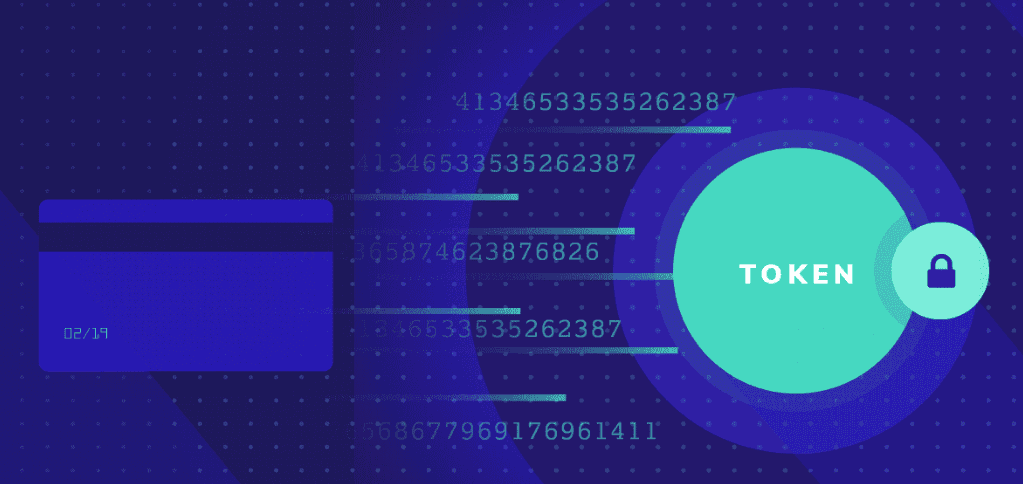
Tokenization generates secure data from a credit card number, using specific algorithms, for use during authorization. In CNP transactions, it removes the risk of storing or compromising the original card number.

Illustration of the benefits credit cards provide to merchants

Credit Card

What benefits do credit cards provide to merchants?

At first glance, a credit card seems like a product offered for cardholders' use and benefit, but it also provides significant benefits to merchants, from faster cash flow to collection security and new customers.