Skip to content

Search

"PIN"

172 articles found

POS terminal used for EMV card payment processing

Merchant & POS

TVR (Terminal Verification Results)

Terminal Verification Results (TVR): a sequence of bits produced when a terminal reads an EMV card, based on logical checks such as an expired card. This data object is used to decide whether a payment transaction should be accepted online, declined, or allowed to proceed.
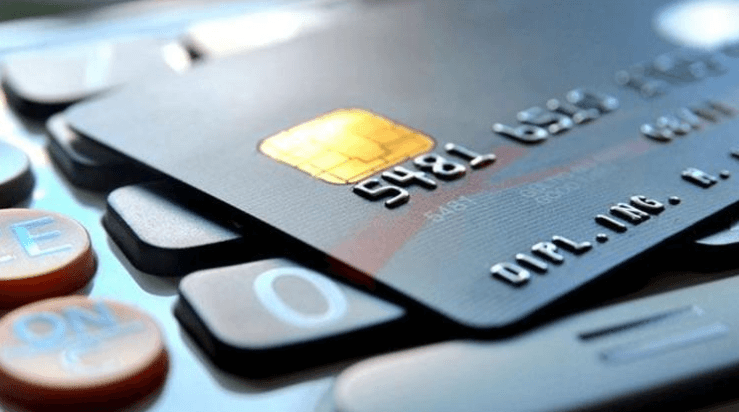
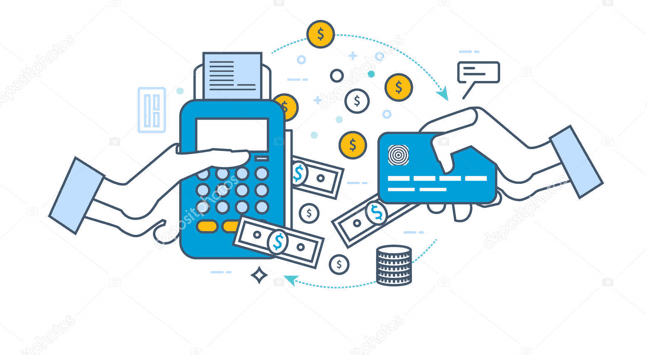
Bank card shown in temporarily blocked status before delivery to the customer

Payment Systems

Why Are Cards Printed as Temporarily Blocked Before Being Sent to the Customer?

Cards are delivered to customers by courier, and at several points along that chain a card could theoretically be intercepted. To prevent misuse before delivery, banks print new and Lost/Stolen replacement cards as Temporarily Blocked, activating them only once the customer receives them.

Diagram explaining ISO 8583 message types 200 and 210

Payment Systems

What Are 200 and 210 Messages Used For?

Message 200 is generated for transactions initiated from POS applications, and the acquiring bank responds with message 210. Learn how 100/110 messages route approvals via the issuing bank, and common rejection reasons.

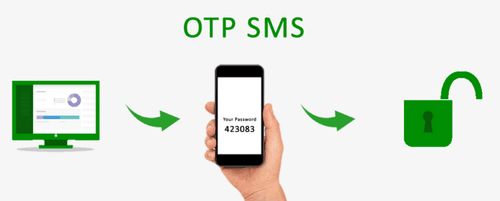
OTP SMS service icon illustrating one-time password delivery

Security

What Is OTP? What Is Its Role in End-to-End Security?

With Chip&Pin technology, card PINs and chip-based transactions became widespread. As online shopping grew, strengthening the security of these transactions became a necessity, and OTP began providing that transaction security.

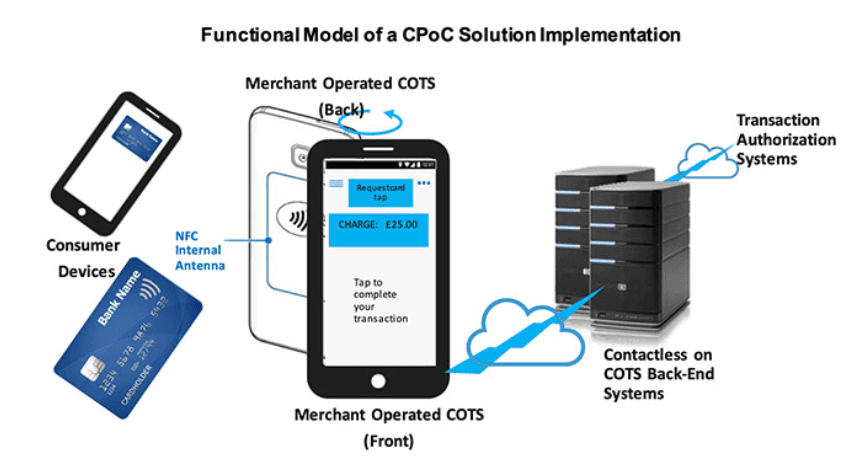
Illustration depicting digital POS payment terminals

Merchant & POS

What is Digital POS?

The digital form of Point of Sale (POS) systems is called Digital POS. There is also a software-only subtype called Virtual POS. After Mobile POS (mPOS) and Virtual POS usage became widespread, the term digital POS came to refer to these two products.

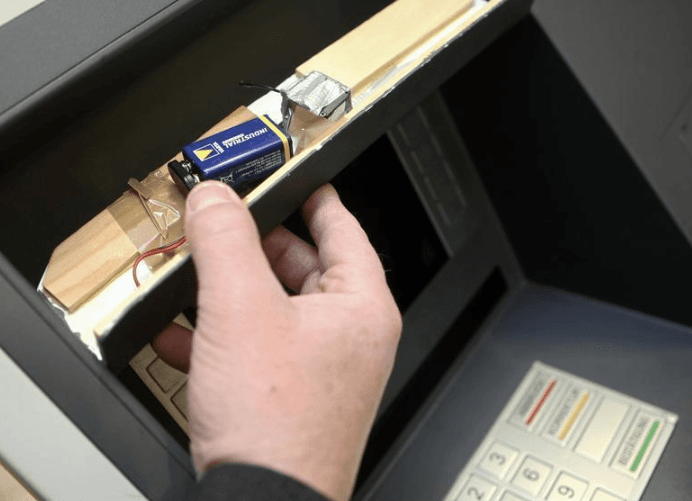
ATM cash trapping device attached to the cash dispenser slot

ATM

What is Cash Trapping?

Cash trapping is a type of ATM fraud in which criminals install a device on the ATM or interfere with its operation to trap dispensed cash, making it difficult to detect until the fraudster returns to retrieve the trapped money.

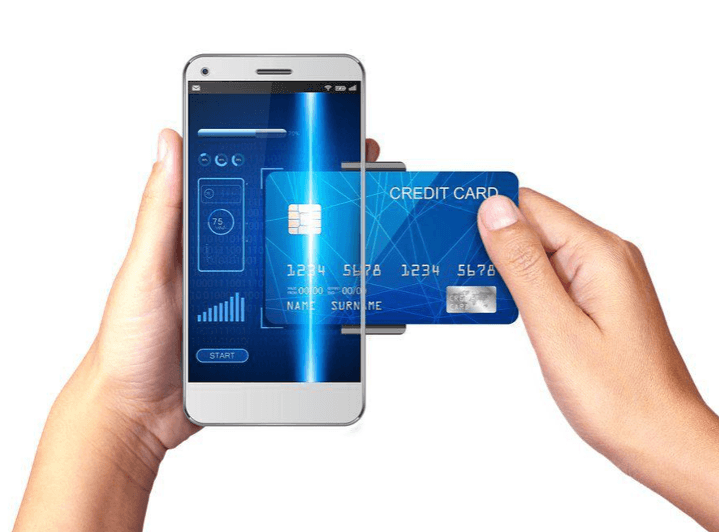
Physical credit card compared with a virtual card on a mobile phone

Credit Card

Physical or Virtual Credit Card: Which Do You Prefer?

Digitalization is reshaping payment systems. Credit cards are moving from physical plastic to virtual cards, e-wallets and mobile payments. Will physical card use disappear completely? Here is a look at the trends, Generation Z and the remaining gaps.

Diagram explaining what an EMV Issuer Script is and how it updates card chip parameters

EMV

What Is an EMV Issuer Script?

An EMV Issuer Script is a system that lets the issuer (the institution that issues the card) update and change the parameters and values on the card chip while it remains in use, reducing fraud over the card's lifetime.

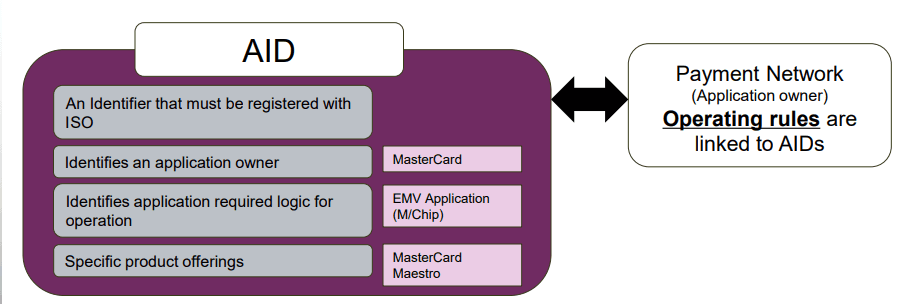
Illustration showing how an Application Identifier (AID) is used in a chip card transaction

EMV

What is an Application Identifier (AID)?

The AID tells the terminal which applications are present on a chip during a POS or ATM transaction. What does the AID do? It lets the terminal determine whether it supports an application on the chip. In Tag 9F06, it is 5-16 digits long.

Contactless floor limit, CVM limit and transaction limit example

Merchant & POS

Can a Contactless Transaction Be Online?

Yes. Whether a contactless transaction goes online depends on the limits on the card and the POS: the contactless floor limit, the CVM limit and the contactless transaction limit. A worked example shows how.