Skip to content

Search

"fraud"

130 articles found

EU Payment Services Directive 2 PSD2

Merchant & POS

What Is the EU Payment Services Directive 2 (PSD2)?

The EU Payment Services Directive 2 (PSD2) is the EU's payment services law. ÖDED translated it into Turkish, creating an important handbook for anyone wanting to invest or work in this area.


Illustration explaining OTP one-time password verification

Security

What Is OTP (One-Time Password)?

These are passwords generated for one-time use and sent to the cardholder's phone to verify card transactions in payment systems. The password sent during a 3D Secure transaction is a common example.

ATM machine targeted by jackpotting attacks

ATM

ATM Hacking Attacks Are on the Rise!

ATMs hold large amounts of cash, which keeps them in fraudsters' sights. Diebold Nixdorf and NCR report that jackpotting attacks have reached the United States. Here is what happened and what precautions can improve ATM security.

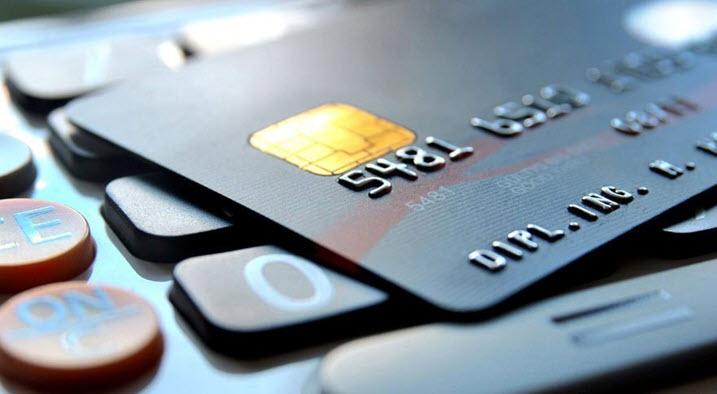
Payment card with an EMV chip

Clearing

What is Chip Condition Code?

Chip Condition Code is a code carried in the F60 (Additional Data) DE14 field during clearing that shows the chip read status. The possible values and their descriptions are listed below.

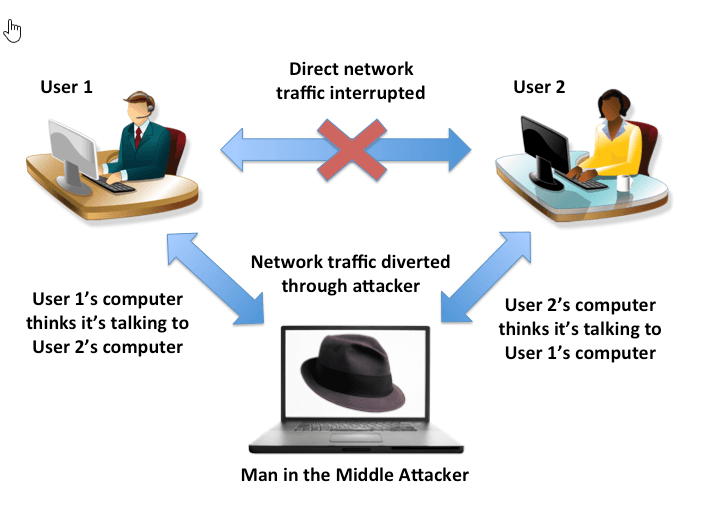
Diagram illustrating a man-in-the-middle attack intercepting communication between a client and a server

Fraud

What is a Man-in-the-Middle Attack (MITM)?

A man-in-the-middle attack is a method in which an attacker inserts themselves between the server and client to intercept users' information, steal passwords, and gain access to accounts on a local network. This fraud mostly occurs over public internet connections.

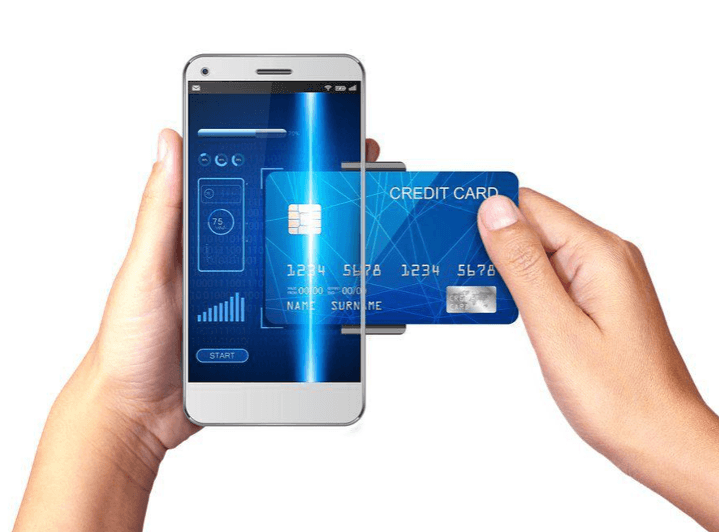
Physical credit card compared with a virtual card on a mobile phone

Credit Card

Physical or Virtual Credit Card: Which Do You Prefer?

Digitalization is reshaping payment systems. Credit cards are moving from physical plastic to virtual cards, e-wallets and mobile payments. Will physical card use disappear completely? Here is a look at the trends, Generation Z and the remaining gaps.

Diagram of the EMV Card Block command process

EMV

What is the Card Block command?

The Card Block command is used after card issuance to deactivate all applications within the ICC, including applications that could be selected indirectly. The components of the command are explained below.

EMV application block command

EMV

What Is the Application Block Command?

The Application Block command is sent to invalidate the selected application on a card after the card has been issued. Unlike Card Block, it can be reversed.

Diagram explaining what an EMV Issuer Script is and how it updates card chip parameters

EMV

What Is an EMV Issuer Script?

An EMV Issuer Script is a system that lets the issuer (the institution that issues the card) update and change the parameters and values on the card chip while it remains in use, reducing fraud over the card's lifetime.

Diagram illustrating the PIN Try Counter concept on a payment card chip

Credit Card

What Is PIN (Personal Identification Number) Try Counter?

The PIN Try Counter is a value stored on the card's chip showing the number of remaining offline PIN attempts. Each incorrect offline PIN entry decreases it by 1, and it resets when the correct PIN is entered.

Animated illustration of a credit card representing dynamic security code technology

Credit Card

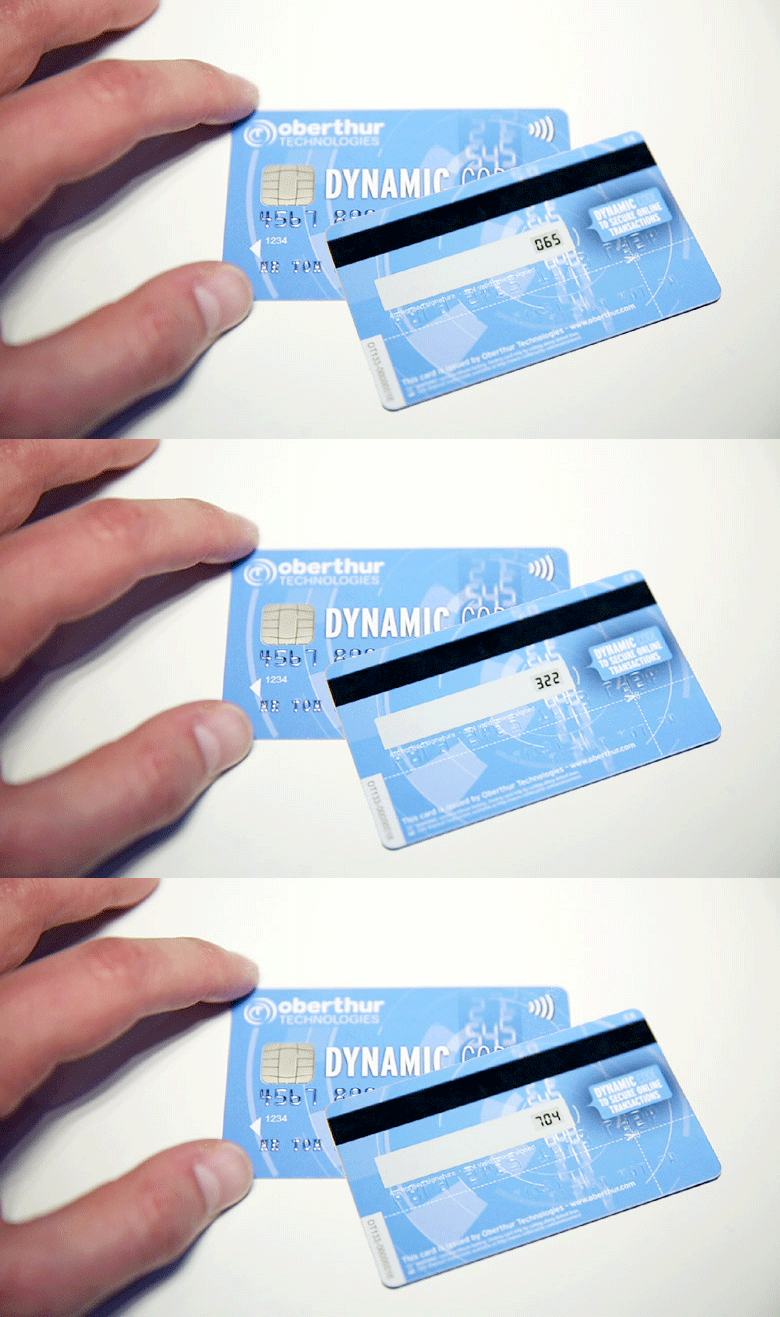
What is a Dynamic Card Security Code (CSC)?

It is a CVV2/CVC2 code that changes every few minutes instead of the static code printed on the back of a credit card, aimed at reducing fraud risk in CNP (Card Not Present) transactions.