
HSM & Security
What is PEK (Pin Encryption Key)?
PEK is the abbreviation for Pin Encryption Key. The role of PEK is to encrypt PINs. There are two types of PEK: TPK (Terminal Pin Key) and ZWK (Zone Working Key).
Search
252 articles found
HSM & Security
PEK is the abbreviation for Pin Encryption Key. The role of PEK is to encrypt PINs. There are two types of PEK: TPK (Terminal Pin Key) and ZWK (Zone Working Key).

Merchant & POS
An offline transaction is one approved by the card and the POS themselves, without going to any system (the card's bank or the POS's bank), when a chip card transaction is made at a POS. For this reason, some sectors considered risky are restricted.

EMV
EMV standards form the foundation for chip cards to work on terminals worldwide, but each scheme - VSDC (Visa), M/Chip (Mastercard), AEIPS (Amex), J Smart (JCB), D-PAS (Discover), and UICS (UnionPay) - defines its own keys, rules, and card profiles.

ISO 8583
We covered the ISO 8583 basics in an earlier article. This post explains the ISO 8583 message structure in detail: every ISO 8583 message consists of three main parts - the MTI (Message Type Indicator), the Bitmap, and the Data Elements.
Credit Card
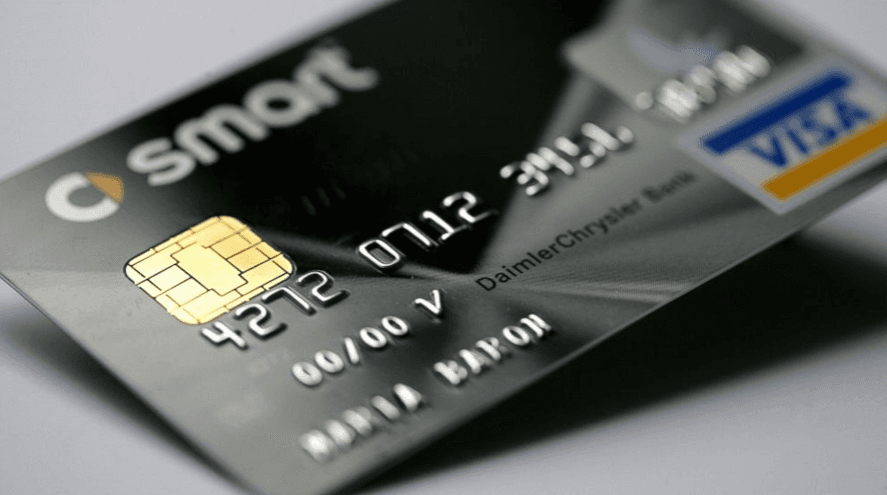
If your card's chip won't read, the chip data is likely corrupted or the POS's chip reader is faulty. This is usually caused by magnetic interaction with another card's chip.
ISO 8583
The card's Track 2 data is carried in this field. Track 2 data contains information such as the card number, expiry date and service code.
Online & Authorization
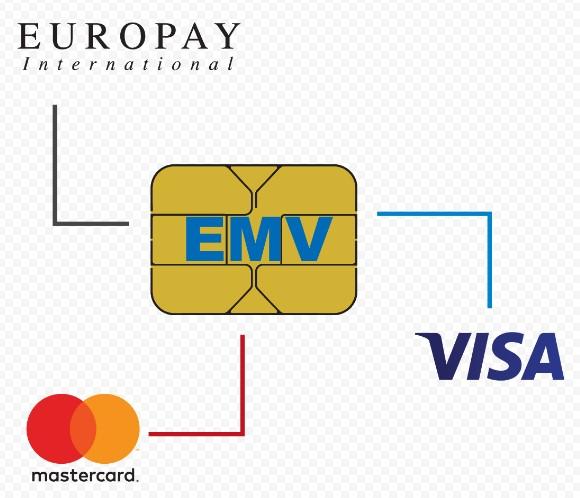
EMV stands for Europay, Mastercard and Visa. In 1994 these companies formed a working group to set chip-card standards, leading to the EMV standards used worldwide today.

Merchant & POS
Loading parameters onto a POS transfers changes made in the POS Management system (authorization, limits, card BIN list, etc.) onto the POS. There are 3 ways to do it.

Credit Card
Yes. A certificate must be generated for every new BIN and loaded onto the card chip, establishing secure communication between the chip and the terminal. This is especially critical for verification in offline transactions.

Payment Institutions & E-Money
On 7 October 2023, the CBRT amended the Communiqué on Information Systems of Payment and E-Money Institutions and Data Sharing Services of Payment Service Providers, first published on 1 December 2021. Links to the new text, a comparison table and a detailed summary of changes follow.
Payment Systems
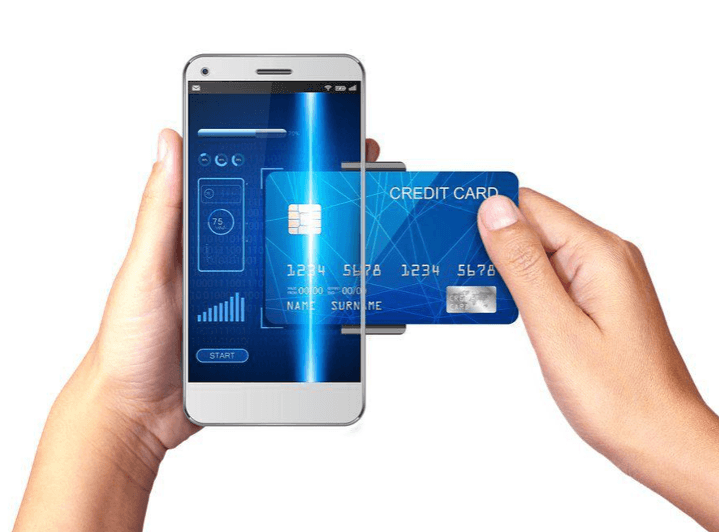
Soft POS is a POS application that lets merchants accept payments from contactless cards or mobile wallets on Android devices, without needing a physical terminal. Companies market it under various names such as pocket POS or mobile POS.

Payment Systems
Offline transaction parameters are divided into two types: contact offline and contactless offline. These parameters can be managed separately through Terminal data and Chip data. Offline transactions can be reported to the HOST after an online transaction, after X occurrences, and more.