Skip to content

Search

"Card Risk Management"

57 articles found

Illustration representing the products and services KKB offers directly to its member institutions

Credit Card

What Products and Services Does KKB Offer Directly to Members?

KKB was established, under banking law, to enable the exchange of all kinds of information and documents among at least five banks, and it also shares credit information about customers. The Credit Bureau of Turkey also serves deposit banks, participation banks, financial institutions, and more.
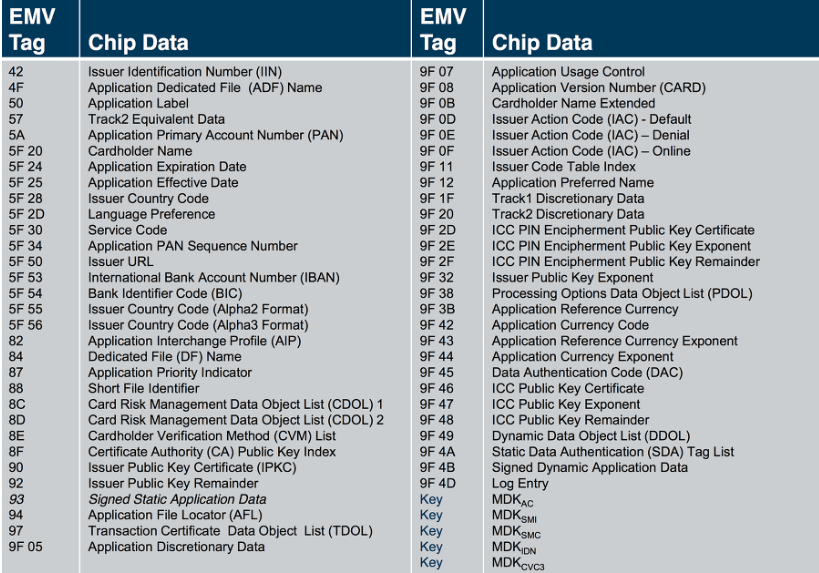
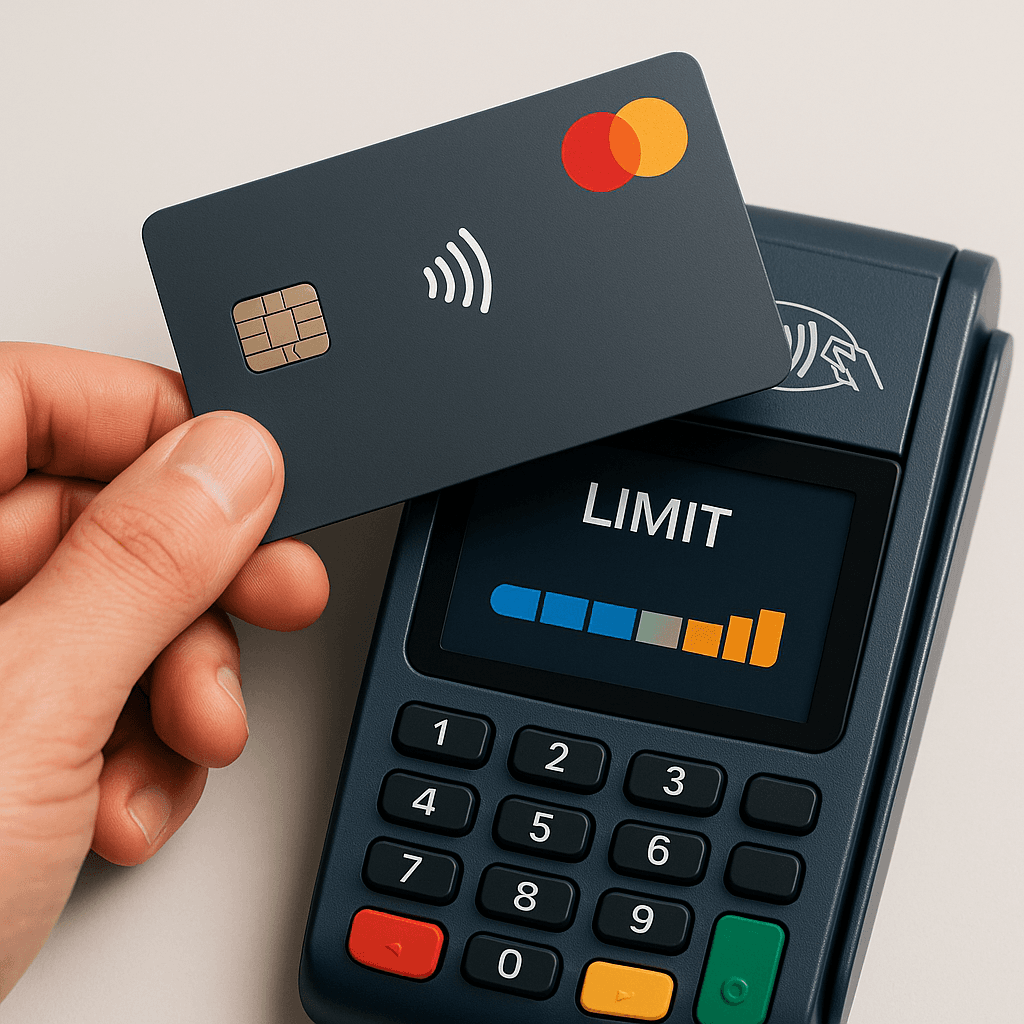
Diagram illustrating the EMV Tag-Length-Value (TLV) data structure used in card transactions

Online & Authorization

What are EMV Tags?

In EMV, data is stored in Tag-Length-Value (TLV) format, and it is carried between the card, the POS terminal, and the authorization system in this same format. This post lists every EMV Tag, its type, and its description.

Illustration of dynamic CVM limit management for contactless card payments

Payment Systems

Dynamic CVM Limit Management Approach: A New Era in Card Security

One of the most notable recent developments in card payments is that contactless limits are no longer fixed and can be managed dynamically per customer. Mastercard and Visa are taking different but complementary approaches, and ISO 8583 may need to evolve with them.

Illustration of customer-based contactless card limit management

Payment Systems

Can a Card's Contactless Limit Be Managed on a Per-Customer Basis?

Contactless payment has greatly improved the user experience, yet its fixed transaction limit is a common complaint. Can this limit be managed dynamically per customer? This post covers the current situation, technical and regulatory requirements and the outlook.

Table of EMV Transaction Status Information (TSI) bit definitions

Merchant & POS

Transaction Status Information (TSI)

Contains the EMV steps performed by the Terminal in a transaction. The TSI fields, their possible values, and descriptions of the values are shown below.

Illustration representing a virtual card used for mail order and e-commerce payments

Credit Card

What is a Virtual Card?

A credit card number created based on a credit card, not physically printed, usable in all virtual purchases (mail order, e-commerce, etc.). It is generated instantly upon request, usable right away, created with a zero limit, and free of charge.

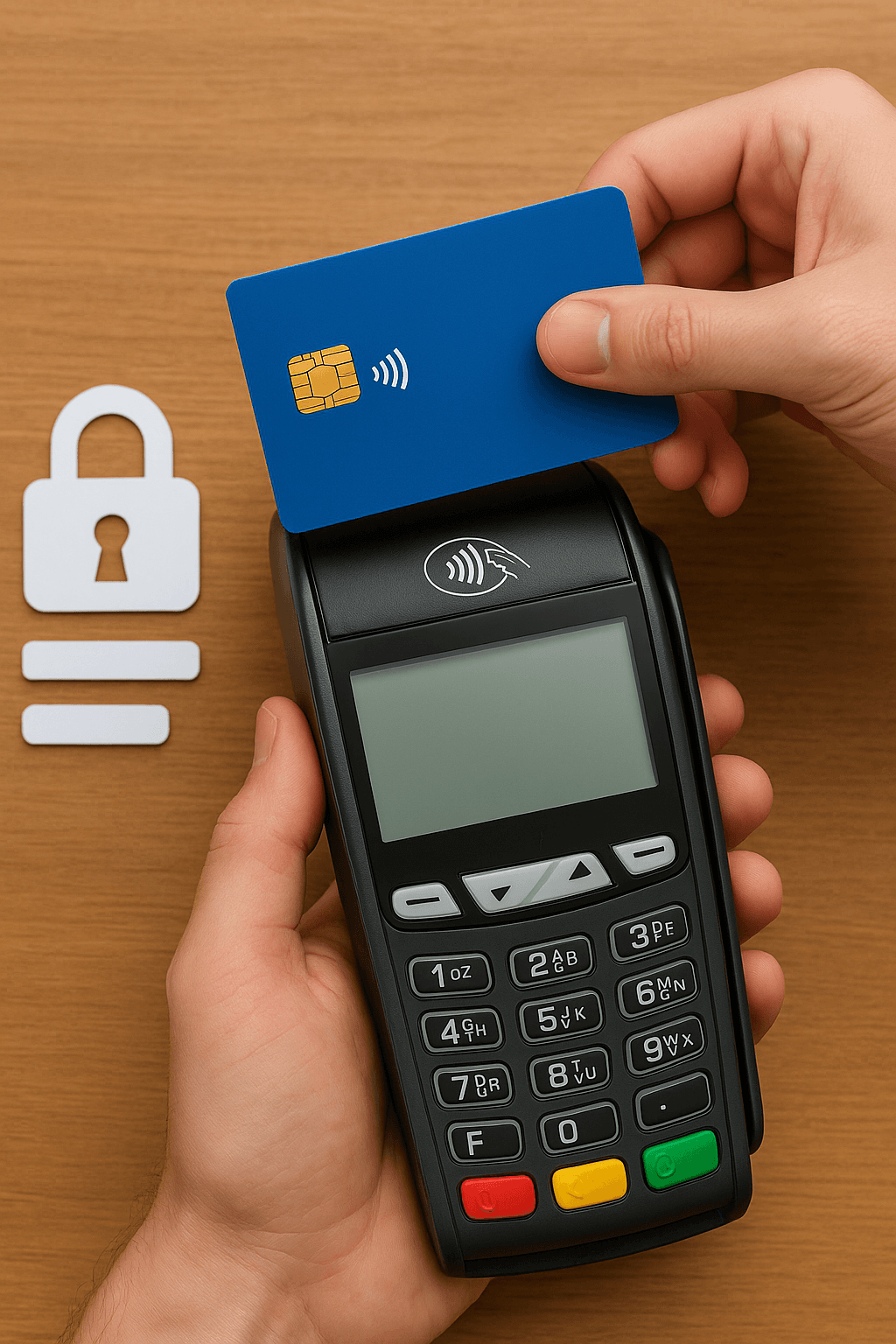
Contactless card payment at a POS terminal after the limit increase to 250 TL

Merchant & POS

Contactless transaction limit raised to 250 TL

Current information: this article describes the limit in force at the time of publication. To reduce the risk of the coronavirus (Covid-19) spreading, the contactless transaction limit on credit and debit cards was raised to 250 lira.

Comparison of online and offline token verification in payment transactions

HCE

What Are Transaction-Based (Online/Offline) Token Types?

Token types vary depending on the verification method used in a transaction. In offline transactions, general checks are performed by the mobile app and card reader without any verification in the card system. In online transactions, token verification is sent to and verified by the issuer.

Diagram illustrating the Card Personalization Validation (CPV) process

Credit Card

What is CPV (Card Personalization Validation)?

CPV stands for Card Personalization Validation. It is Mastercard's term for the set of recommendations and instructions defined for the card personalization process. The equivalent for Visa is called GPR (Global Personalization Requirements).

Diagram showing the four pillars of HCE cloud-based security infrastructure

HCE

What is the HCE Cloud-Based Security Infrastructure Like?

The HCE cloud-based security infrastructure consists of four main pillars: Tokenization, Risk Management, Session Keys, and User/Device Authentication. Tokenization indicates the type of token generation, and there are three different tokenization methods.