Skip to content

Search

"Cardholder Verification"

69 articles found

Close-up of a payment card chip, illustrating EMV cardholder verification

Online & Authorization

Cardholder Verification in EMV (CVM)

Cardholder verification in EMV is specific to chip cards. One goal of EMV is to minimize card fraud. To do this, three parties must be verified: the bank, the cardholder, and the terminal. One of the data items taken from the card to prove identity is...

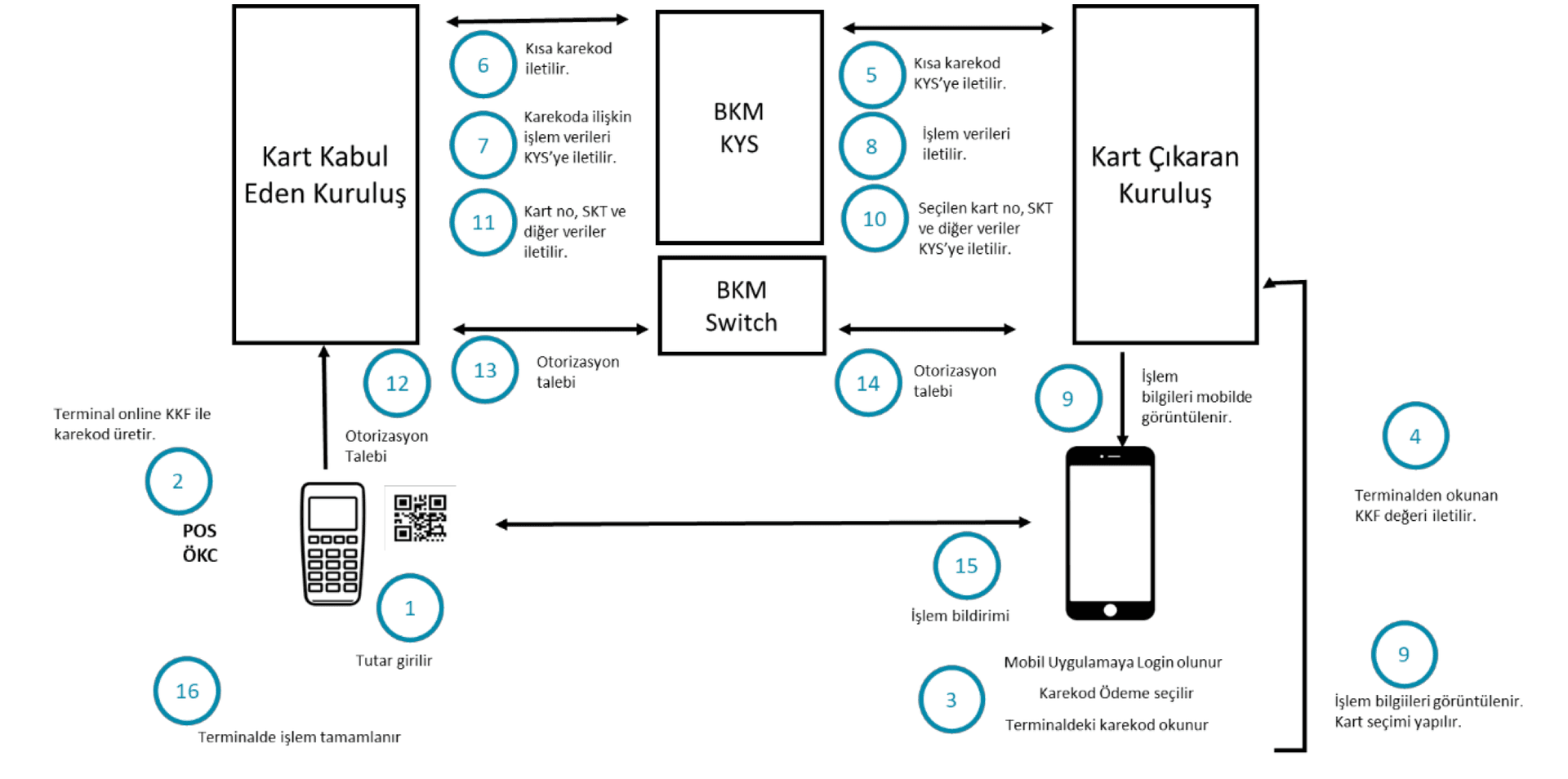
Diagram of the online authorization flow for below-CVM-limit contactless transactions

Payment Systems

Domestic Flow Change Made for Below-CVM-Limit Online Contactless Transactions

The domestic authorization flow for below-CVM-limit online contactless transactions has changed. Issuers can now ask the cardholder for a PIN or request card insertion instead of simply approving or declining. This post explains the CVM list and the new DE48 PDS22 and DE39 = 65 message flows.

Diagram of the TR QR Code payment flow between cardholder, issuer, BKM and acquirer

Payment Systems

Why Am I Getting an Error When I Try to Pay with a TR QR Code?

In payment or cash withdrawal transactions, the TR QR Code is generated by the POS or ATM. The card issuing bank must build its systems to read and act on this code. Errors usually stem from mishandling the long and short QR code flows, which are explained here.

Diagram illustrating the EMV Tag-Length-Value (TLV) data structure used in card transactions

Online & Authorization

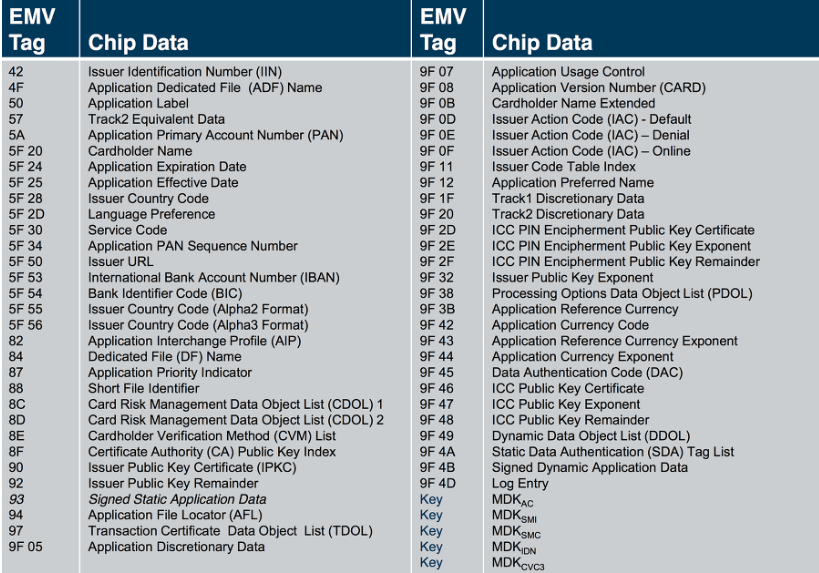
What are EMV Tags?

In EMV, data is stored in Tag-Length-Value (TLV) format, and it is carried between the card, the POS terminal, and the authorization system in this same format. This post lists every EMV Tag, its type, and its description.

Photo of a POS terminal related to EMV Issuer Action Code settings

Online & Authorization

Issuer Action Code (IAC)

These are codes that communicate the issuer's conditions for approving a transaction online (IAC-Online), for declining it (IAC-Denial), or for declining it when the terminal cannot go online (IAC-Default).

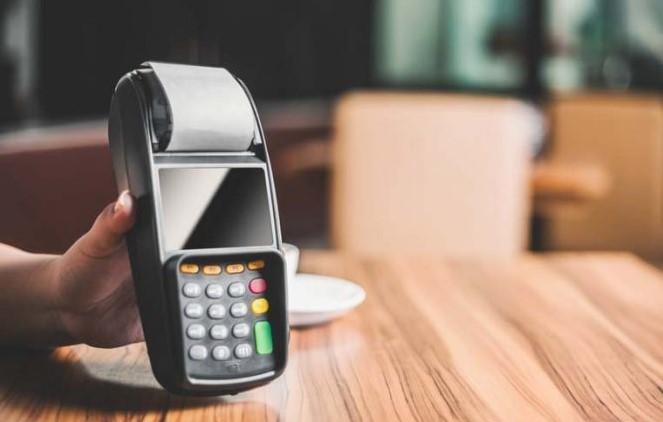
POS terminal used for EMV card payment processing

Merchant & POS

TVR (Terminal Verification Results)

Terminal Verification Results (TVR): a sequence of bits produced when a terminal reads an EMV card, based on logical checks such as an expired card. This data object is used to decide whether a payment transaction should be accepted online, declined, or allowed to proceed.

Comparison of CVV security code locations on a standard card and an American Express card

Credit Card

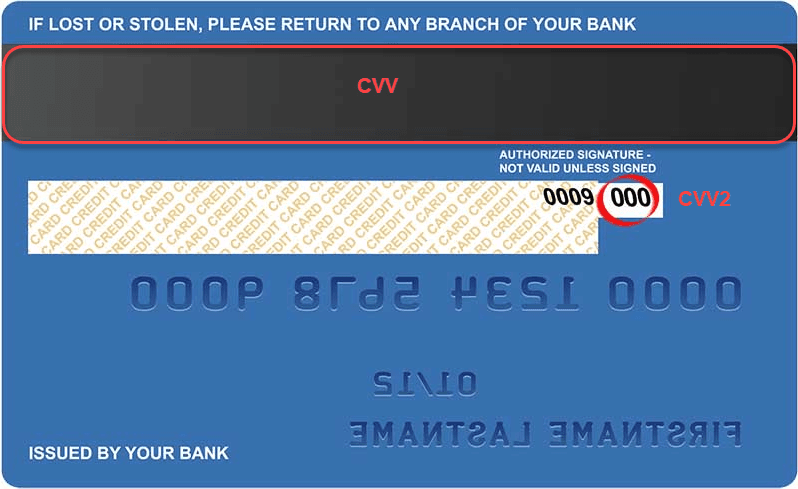
Is the CVV/CVC Code Always 3 Digits?

First, let's briefly explain CVV/CVC. CVV stands for Card Verification Value, a term used for Visa. CVC stands for Card Verification Code, a term used for MasterCard. The CVV/CVC code is used for cardholder verification and to reduce fraud risk.

Diagram explaining how the CVV/CVC code is generated and verified on payment cards

Credit Card

What is CVV/CVC?

CVV is short for Card Verification Value, a term used by Visa. CVC is short for Card Verification Code, a term used by MasterCard. The CVV/CVC code is used for cardholder verification and to reduce fraud risk.

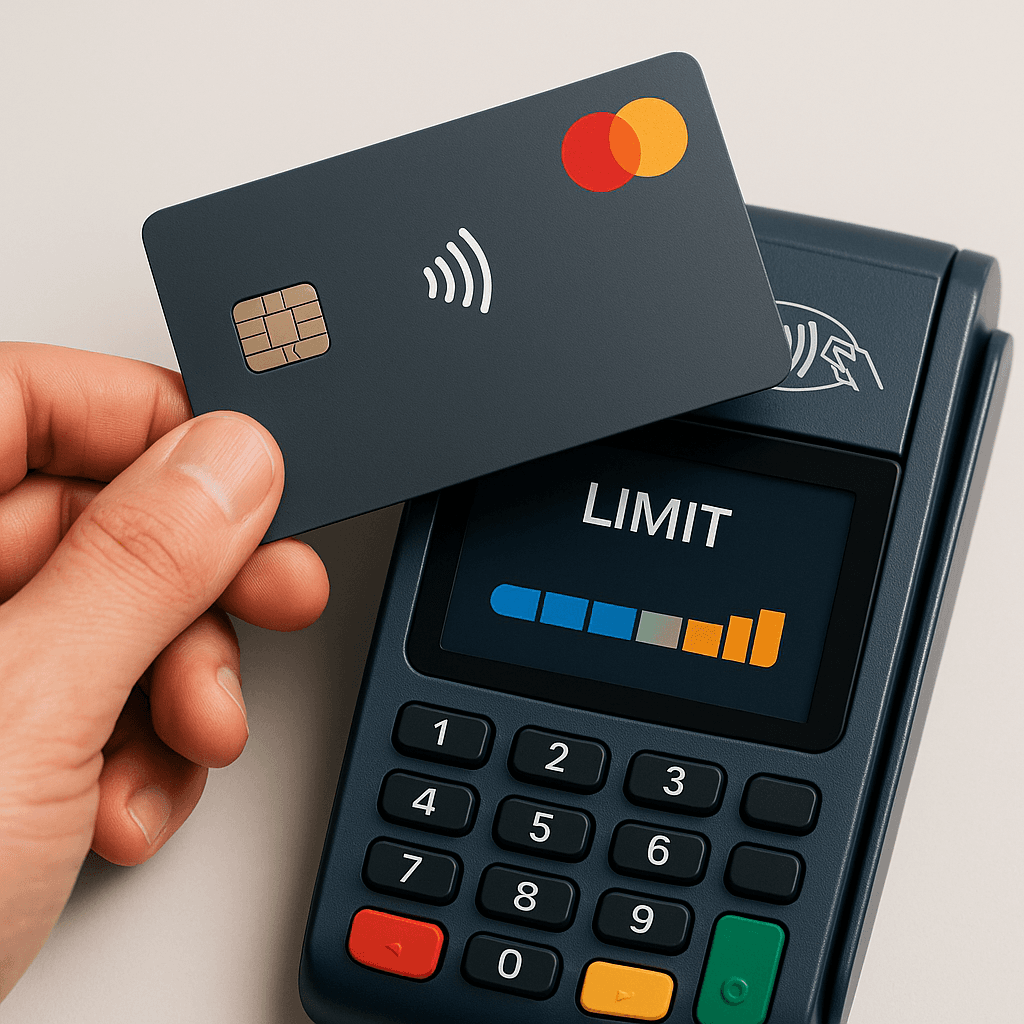
Illustration of dynamic CVM limit management for contactless card payments

Payment Systems

Dynamic CVM Limit Management Approach: A New Era in Card Security

One of the most notable recent developments in card payments is that contactless limits are no longer fixed and can be managed dynamically per customer. Mastercard and Visa are taking different but complementary approaches, and ISO 8583 may need to evolve with them.