
ISO 8583
ISO 8583 Field Descriptions (F3)
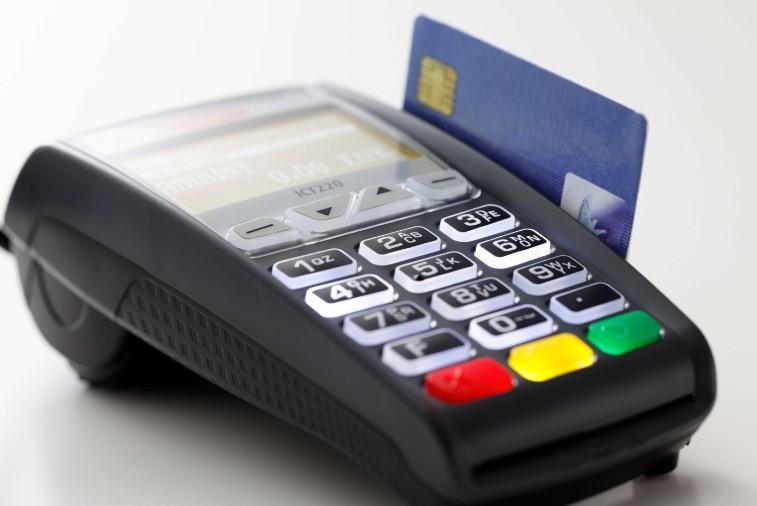
Field 3, Processing Code, is the field that shows what type of transaction is being performed and is critical for authorization. A Sale from POS differs from a Cash Withdrawal at an ATM.
Search
117 articles found
ISO 8583
Field 3, Processing Code, is the field that shows what type of transaction is being performed and is critical for authorization. A Sale from POS differs from a Cash Withdrawal at an ATM.
Online & Authorization
Cardholder verification in EMV is specific to chip cards. One goal of EMV is to minimize card fraud. To do this, three parties must be verified: the bank, the cardholder, and the terminal. One of the data items taken from the card to prove identity is...
ISO 8583
We covered the ISO 8583 basics in an earlier article. This post explains the ISO 8583 message structure in detail: every ISO 8583 message consists of three main parts - the MTI (Message Type Indicator), the Bitmap, and the Data Elements.

Chargeback
A chargeback is the process of requesting that an amount paid by credit card be refunded, either because the goods or services paid for were not received, or because a transaction is identified as one the cardholder did not carry out.
Payment Systems
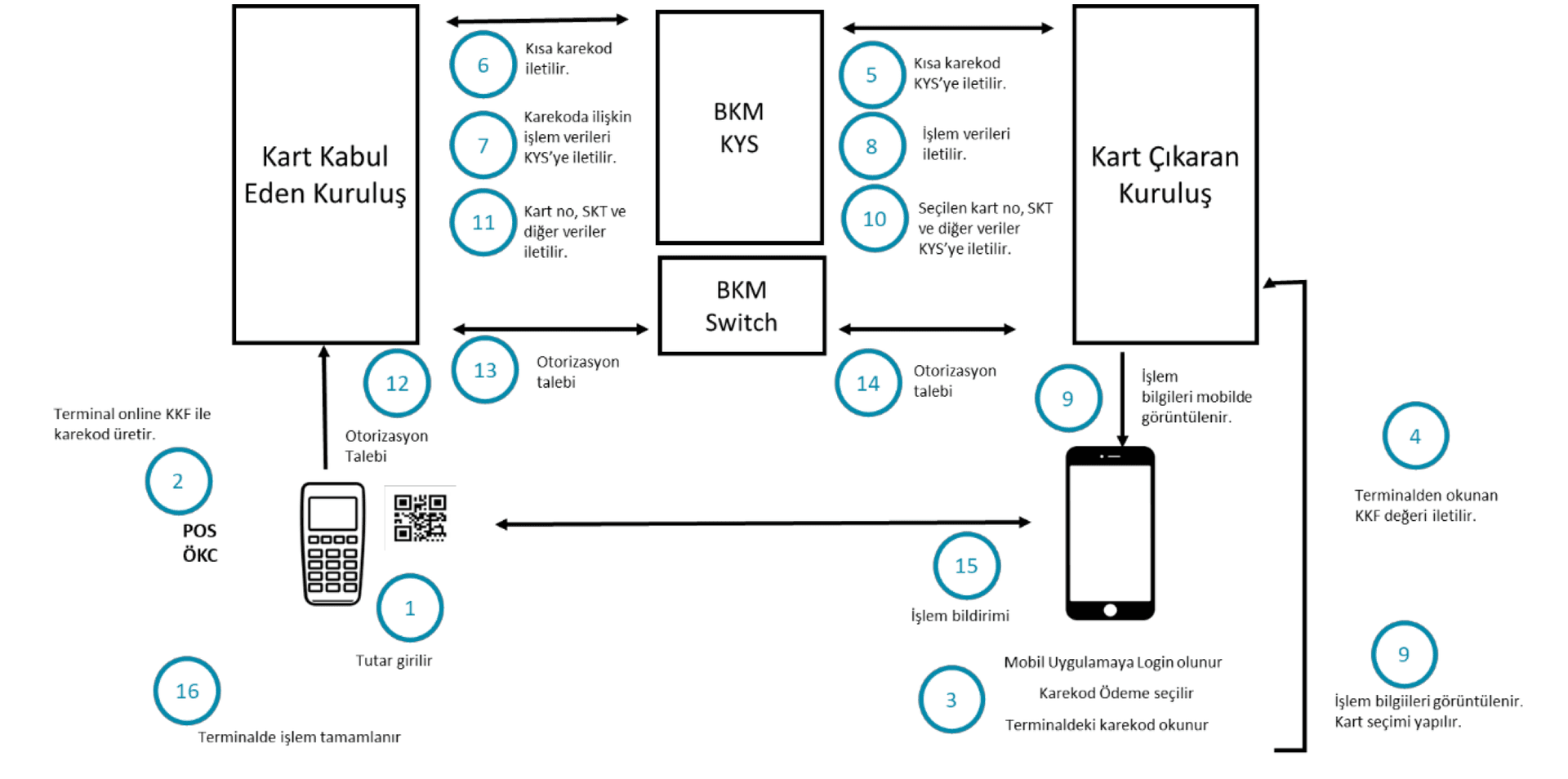
In payment or cash withdrawal transactions, the TR QR Code is generated by the POS or ATM. The card issuing bank must build its systems to read and act on this code. Errors usually stem from mishandling the long and short QR code flows, which are explained here.
Payment Systems
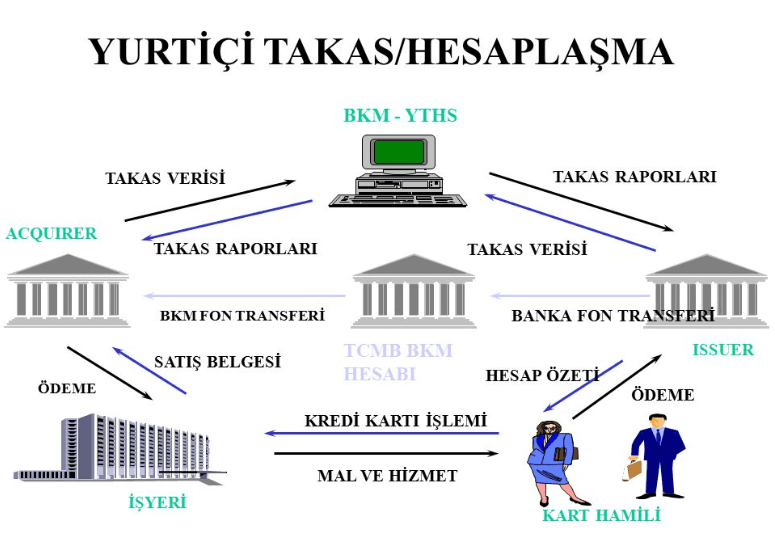
TCR stands for Transaction Record Component, the packets that carry transaction information in a clearing system. Transaction types in a clearing file are distinguished by transaction code and usage code values, and this data is sent inside TCR packets.

Payment Systems
PA DSS (Payment Application Data Security Standard) is a global security standard created by the PCI SSC. Even if you do not need to comply with it, PA DSS remains a valuable guide for auditing and building secure payment applications.

Merchant & POS
In e-commerce transactions, the system developed to increase transaction security for payments made with credit and debit cards is called 3D Secure. When paying with 3D Secure, a special payment screen provided by the banks appears on the user's screen.
ATM
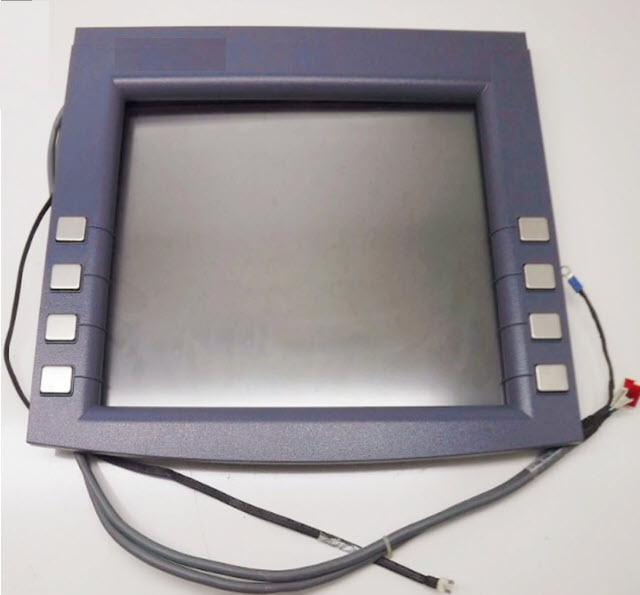
At ATMs, transaction selection and processing are carried out using the buttons on the right and left of the ATM screen. These buttons are called FDK (Function Display Key) buttons. Does every ATM have FDK?

Credit Card
The service code is information printed on a card's Track 1 and Track 2 data, covering card type, PIN usage, and domestic/international usage status. It is kept at the product level in bank systems.
EMV
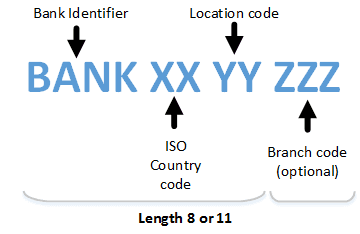
BIC stands for Bank Identifier Code. It is the universal bank identification code used for automated processing in banking and related financial environments, identifying banks as specified by the ISO 9362 standard.
ISO 8583
F60-ADVICE REASON CODE: Used to indicate the specific purpose of an advice/reversal message. It is 60 characters long.