Skip to content

Search

"banknotes"

14 articles found

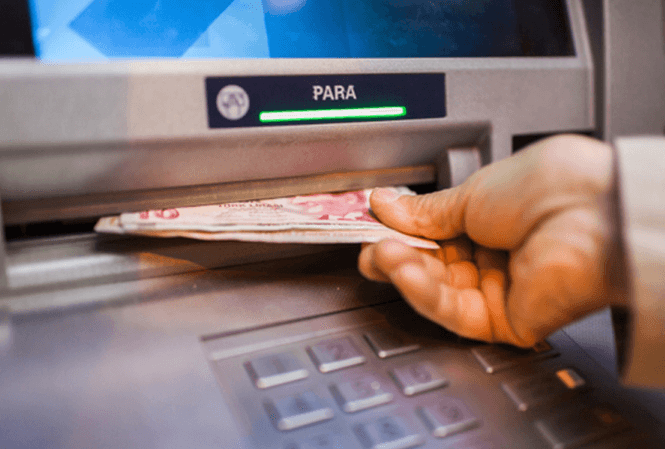
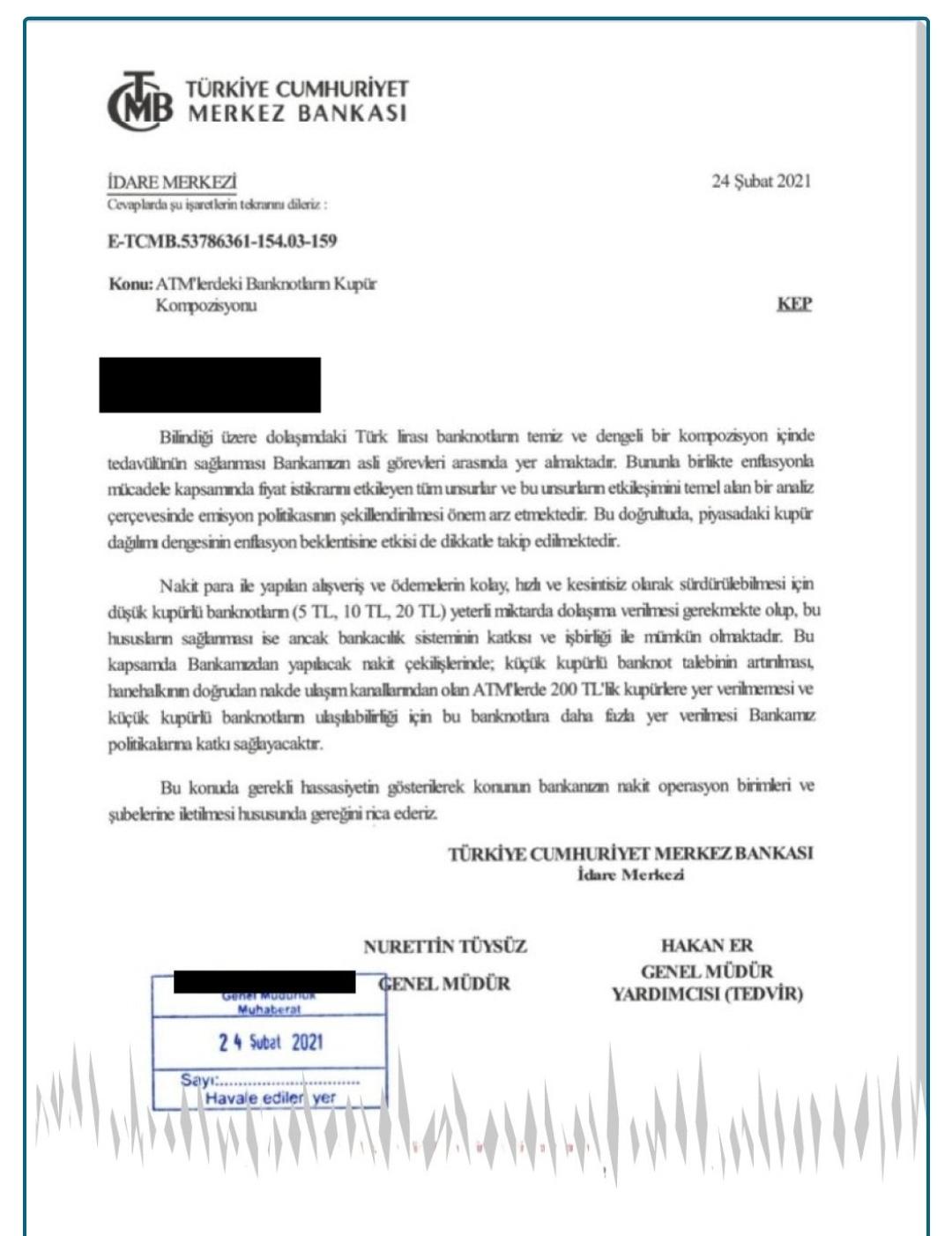
Photo of the Central Bank letter asking banks not to load 200 TL banknotes into ATMs

ATM

Is It Forbidden to Load 200 TL Notes into ATMs?

In a letter to banks as part of the fight against inflation, the CBRT asked them to stock small-denomination banknotes in ATMs instead of 200 TL notes. Is this a ban or a recommendation, and what are the operational consequences for ATMs and banks?
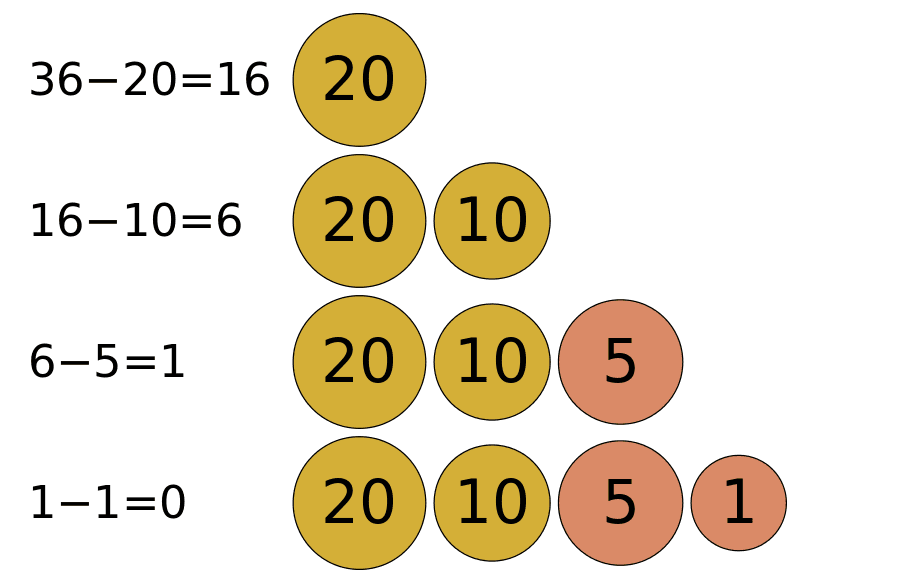
Diagram illustrating how a recycling ATM reuses deposited banknotes for withdrawals

ATM

What Is a Recycling ATM?

The word literally means recycled or circulating. In payment systems, it refers to physically dispensing money deposited at ATMs to customers who want to withdraw cash, adding deposits straight into the withdrawal pool.

Diagram illustrating the Greedy Algorithm used for ATM cash withdrawals

ATM

What is the Greedy Algorithm?

In payment systems, the Greedy Algorithm is used to give the customer the minimum number of banknotes when withdrawing cash from an ATM. The algorithm used varies from bank to bank, since ATM cash capacity and transaction volume differ. For example...

Diagram illustrating how a recycle ATM reuses deposited banknotes for withdrawals

ATM

What is a Recycle ATM?

ATM devices were originally designed for customers to withdraw cash from their accounts. But since many transactions are now possible through ATMs (for example, deposits), many improvements have been made for more effective ATM use. One of the most important examples is Recycle ATMs.

Cash dispenser unit inside an ATM diagram

ATM

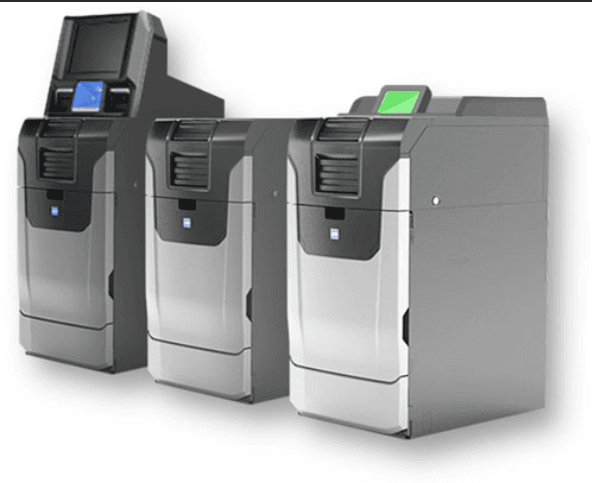
What Is a CD (Cash Dispenser)?

A cash dispenser is a device that lets customers withdraw money. Although the term is sometimes used as another name for an ATM, the dispenser is actually the unit inside the ATM that dispenses the money loaded into its cassettes.

Illustration of the internal cash tower unit inside an ATM

Payment Systems

What is a tower?

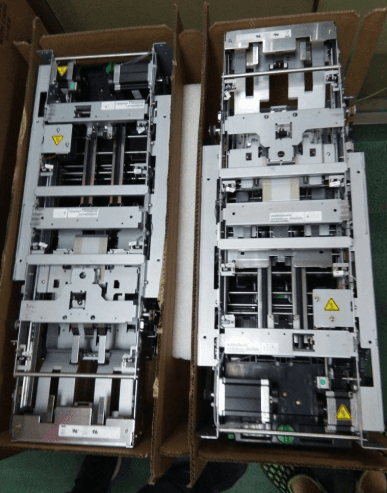
In payment systems, the tower is the section inside an ATM where cash is physically stored. It contains cassettes holding different banknote denominations, a mix cassette for mismatched notes, and various security mechanisms protecting the cash.

Diagram explaining the ATM reject bin where unaccepted banknotes are deposited

ATM

What Is Reject (the Reject Bin)?

It's a term used in ATM systems within payment systems. In ATM transactions, cash in question is placed into a separate compartment for review, called the reject bin. Retract is the customer's holding bin; reject is the ATM's reject bin.

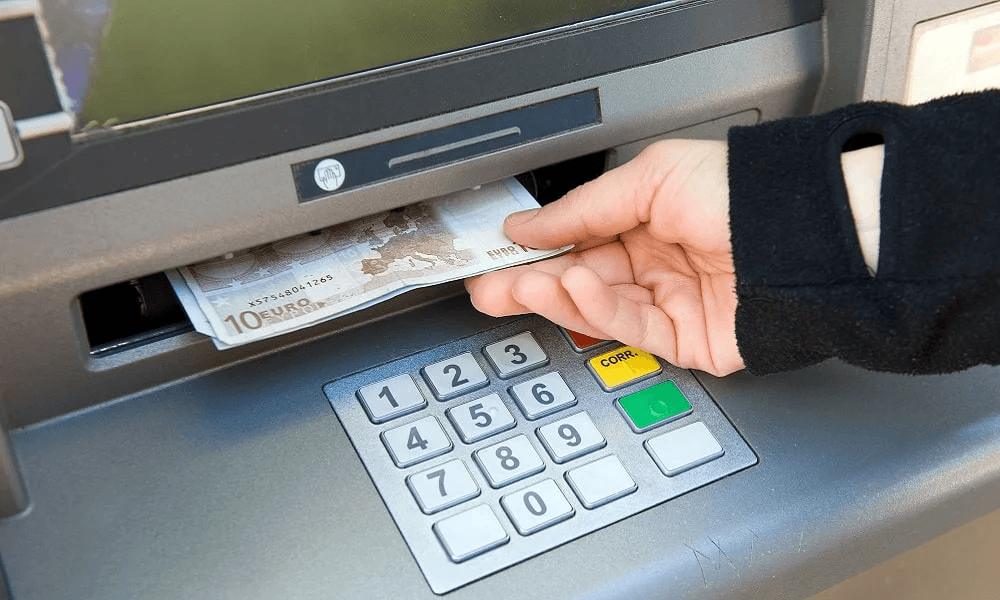
ATM cash dispenser mechanism distributing banknotes

ATM

What Are the Cash Dispensing Algorithms Used in ATMs?

ATMs are important transaction points that let customers handle financial transactions without visiting a bank branch. 24/7 availability matters for customer satisfaction, so banks take steps to reduce both operational and cash costs.

ATM cash withdrawal limits updated in 2025

ATM

ATM Cash Withdrawal Limits Updated

Due to inflation and other financial conditions, banks in Türkiye raised their ATM cash withdrawal limits as of 1 January 2025, from 10,000 TL to 15,000 TL and, at some banks, up to 20,000 TL.

A Cash Deposit Machine (CDM) used for depositing cash directly into a bank account

ATM

What is a CDM (Cash Deposit Machine)?

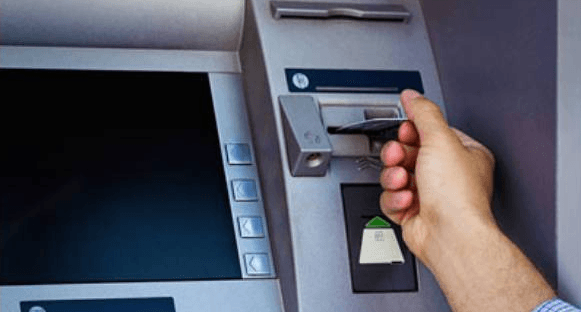
CDM is short for Cash Deposit Machine. It refers to ATMs that allow you to deposit money directly into your account using a card. You can use CDM ATMs to carry out transactions on your account without visiting a branch.

Illustration of an ATM cash dispenser showing the retract and reject cash compartments

ATM

What Is Retract?

Retract is a term used in ATM systems. When cash already presented to the customer is not taken, it is diverted into a compartment called retract, as opposed to the reject compartment used for unusable banknotes.

Contactless card payment at a POS terminal after the limit increase to 250 TL

Merchant & POS

Contactless transaction limit raised to 250 TL

Current information: this article describes the limit in force at the time of publication. To reduce the risk of the coronavirus (Covid-19) spreading, the contactless transaction limit on credit and debit cards was raised to 250 lira.