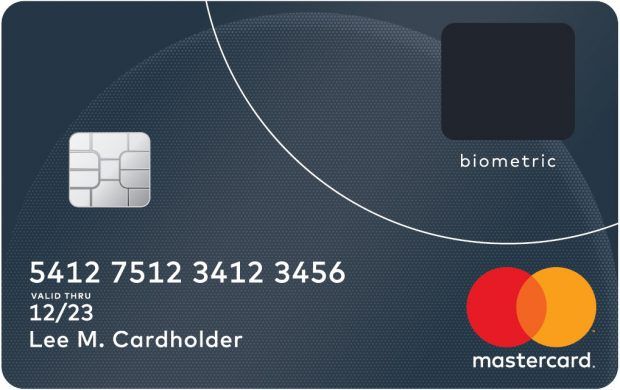
Credit Card
What is a biometric credit card?
Technology continues to make our lives easier and more secure. Old ID cards were just laminated paper; new ones became personalized and secure with biometric photos added alongside chip data.
Search
18 articles found
Credit Card
Technology continues to make our lives easier and more secure. Old ID cards were just laminated paper; new ones became personalized and secure with biometric photos added alongside chip data.
Credit Card
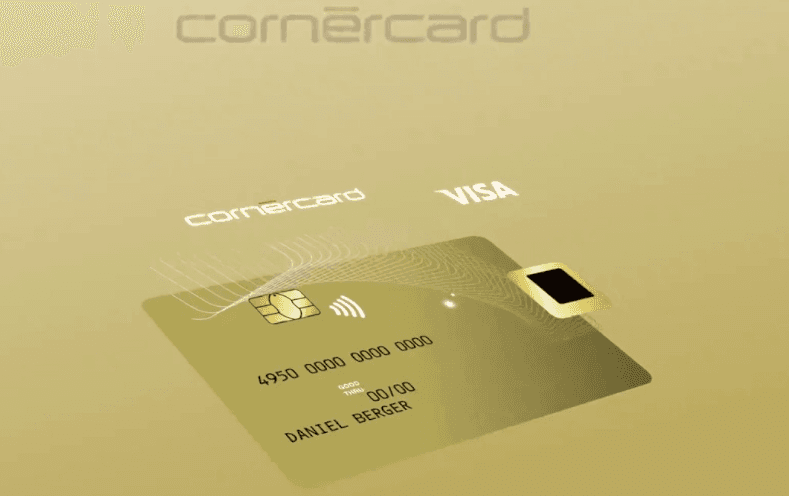
Card security is critical in card payment systems. Chip&Pin curbed much fraud, but gaps remain. Cornercard, Gemalto and Visa launched Switzerland's first credit card with a built-in fingerprint reader. Here is how it works.
Security
Payment security is very important in payment systems. To increase security, transactions require additional information such as PINs and passwords. Remembering which information to use, and keeping it in mind without forgetting…
Security
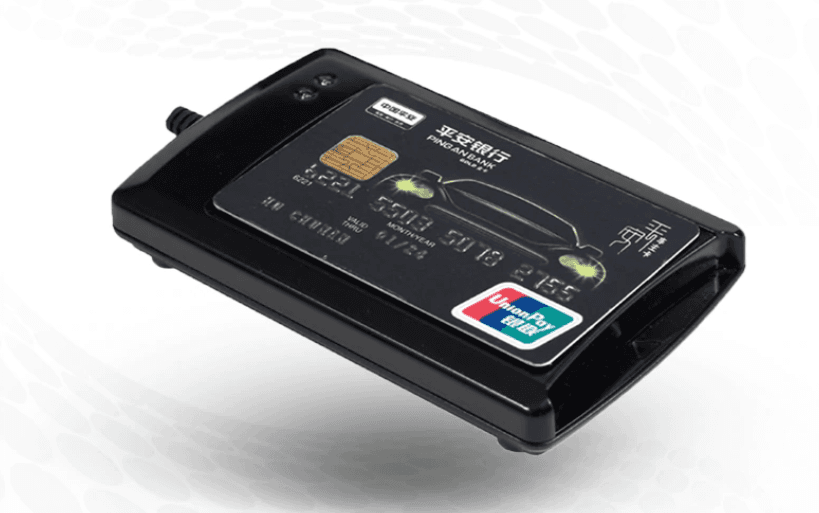
SCRW (Smart Card Reader Writer) can be translated as Smart Card Reader/Writer. Smart chip card readers are sophisticated devices with built-in intelligence, usable in PCs, laptops, servers, smartphones, and set-top boxes.
Laws & Regulations
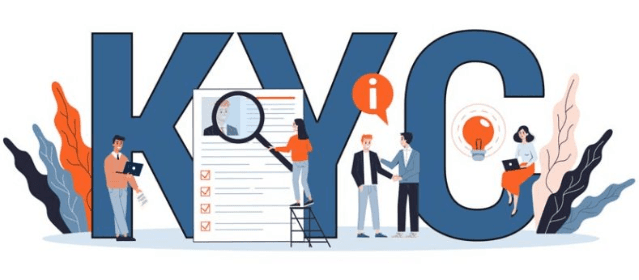
Digitalization is changing how banks onboard customers. This post covers digital identity, verification methods, what the Turkish ID card offers, and Article 43 of the Regulation on Information Systems of Banks and Electronic Banking Services on remote identity verification and open banking.
ATM
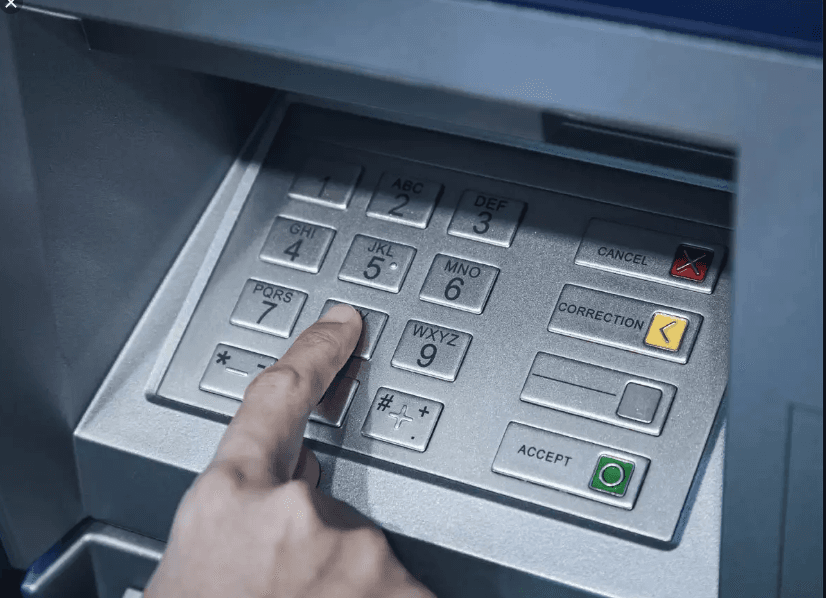
Although we can now carry out almost all branch transactions at an ATM, for most of us an ATM is still just a machine for depositing and withdrawing cash. Today, without a card, we can use our phones to deposit and withdraw cash via QR code.

Merchant & POS
Today is April 23, the 100th anniversary of the opening of the Grand National Assembly. Taking Children's Day as a starting point, this post looks at digitalization, Generation Z, blockchain, biometric payments and the cashless society from a payment systems perspective.
EMV
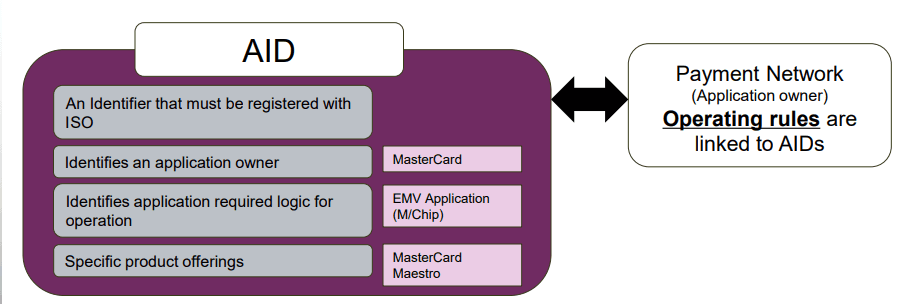
The AID tells the terminal which applications are present on a chip during a POS or ATM transaction. What does the AID do? It lets the terminal determine whether it supports an application on the chip. In Tag 9F06, it is 5-16 digits long.
Merchant & POS
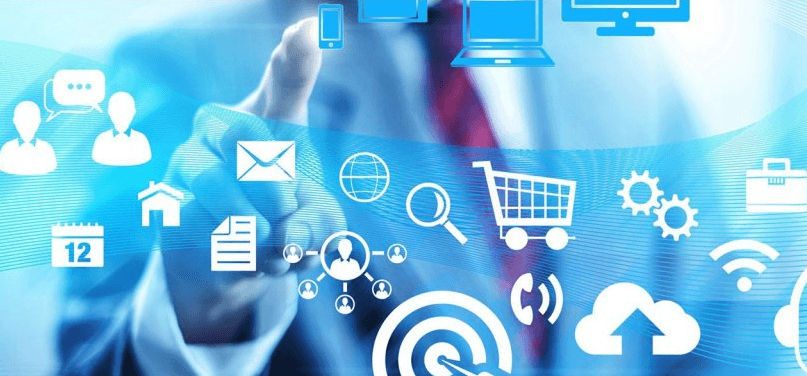
Digitalization has brought major change to payment systems, just as it has to every area of our lives. Its biggest impact has been turning the financial world into something virtual, spanning IoT, mobile payments, blockchain and biometrics.
HCE
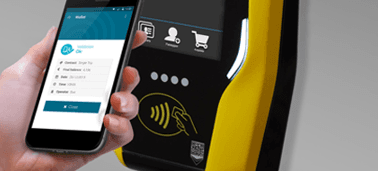
The HCE cloud-based security infrastructure consists of four main pillars: Tokenization, Risk Management, Session Keys, and User/Device Authentication. Tokenization indicates the type of token generation, and there are three different tokenization methods.
HSM & Security
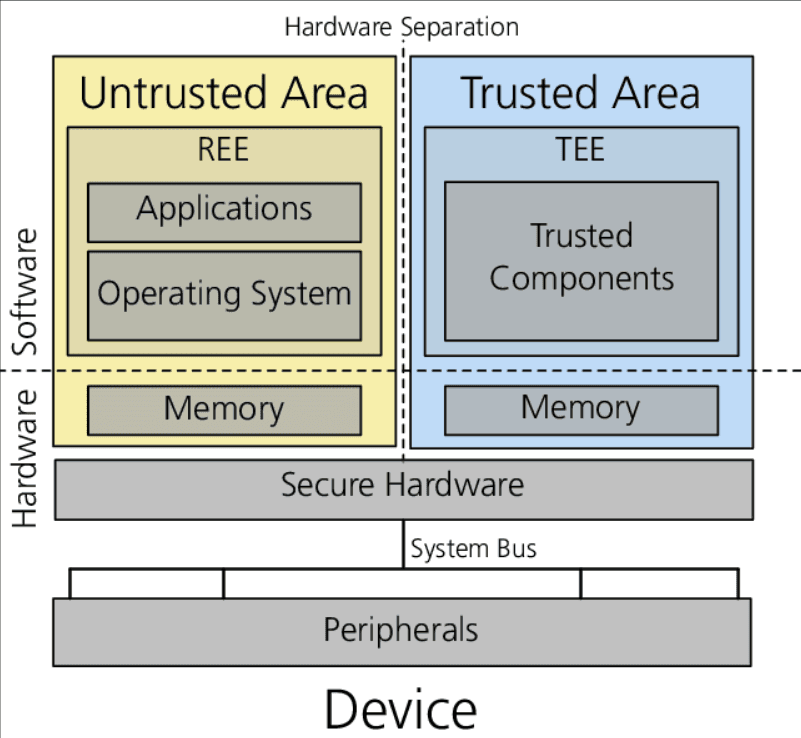
A Trusted Execution Environment (TEE) is an environment where executed code and accessed data are isolated and protected in terms of confidentiality (no one has access to the data) and integrity (no one can alter the code or its behavior). We may not realize it, but many…
Payment Systems
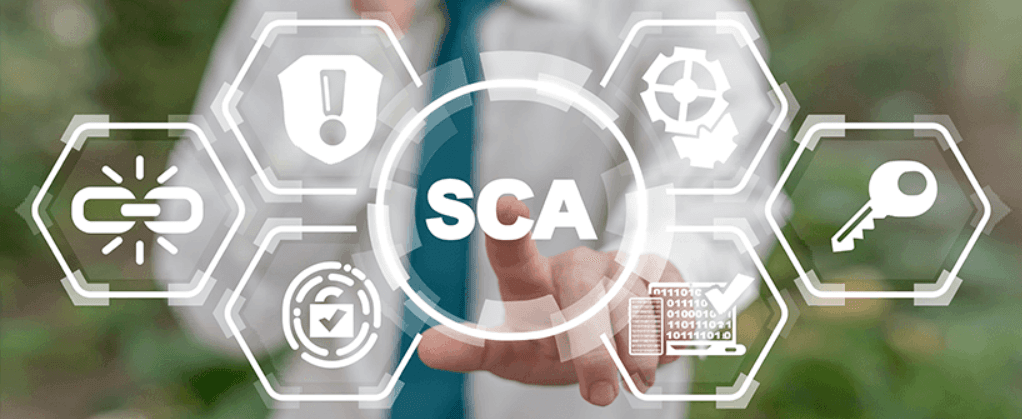
Strong Customer Authentication (SCA) is a security requirement introduced under the EU's Payment Services Directive 2 (PSD2) to increase security and reduce fraud in online payment transactions. SCA requires two of three independent authentication factors.