Skip to content

Search

"mobile wallet"

48 articles found

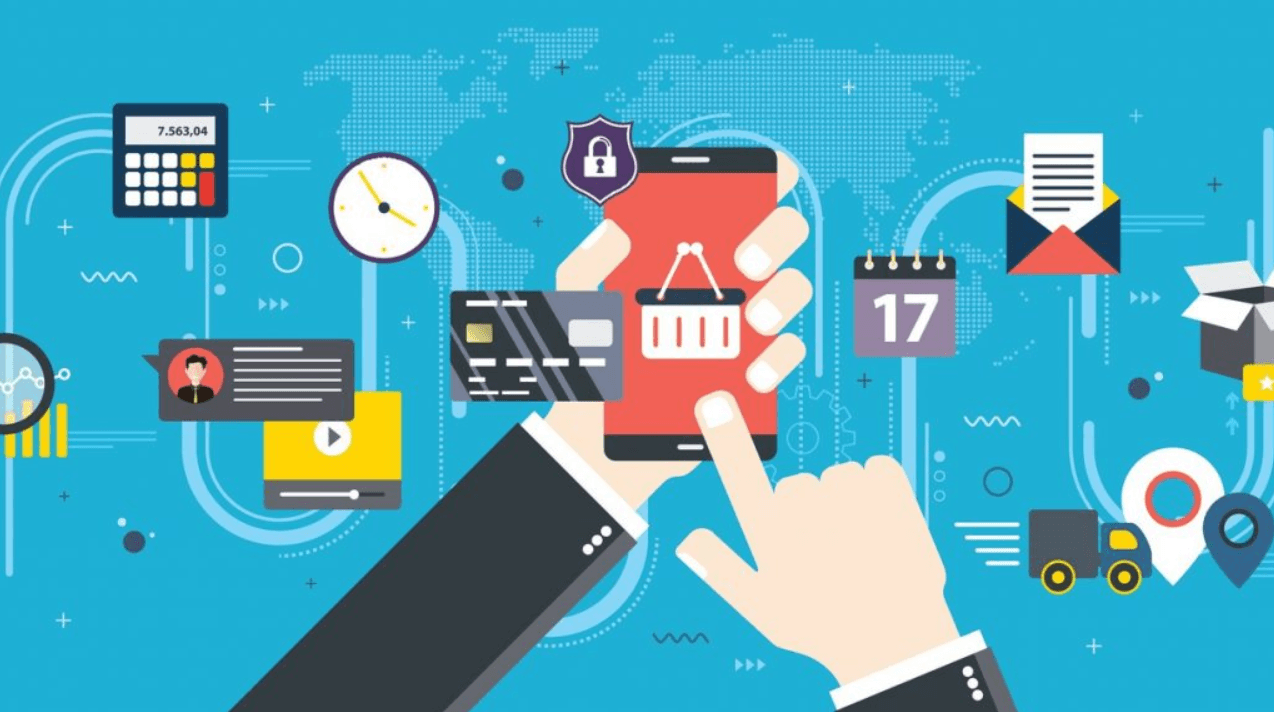
Illustration of mobile commerce: shopping and payments made on a smartphone

E-commerce

What Is Mobile Commerce?

In recent years, data exchange over wireless mobile devices has become much faster and more secure. In 2019, mobile devices were used in 54.5 percent of purchases made by e-commerce users. With the steady growth in mobile users, mobile commerce keeps gaining ground.
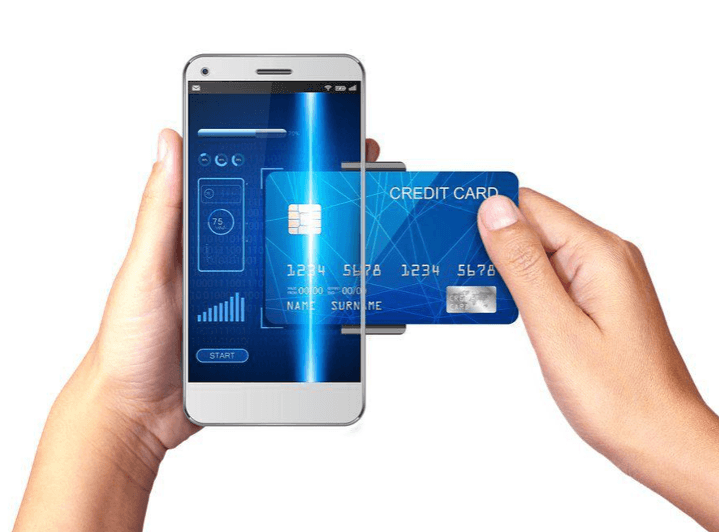
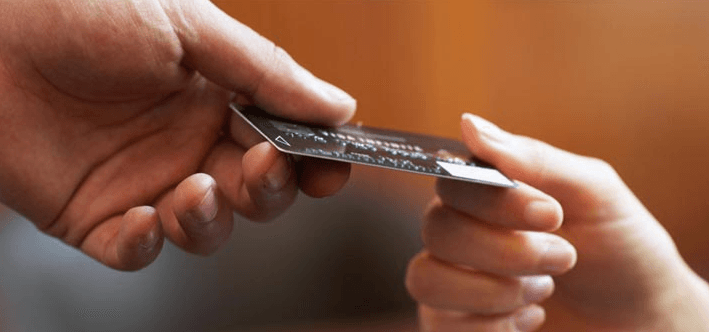
Physical credit card compared with a virtual card on a mobile phone

Credit Card

Physical or Virtual Credit Card: Which Do You Prefer?

Digitalization is reshaping payment systems. Credit cards are moving from physical plastic to virtual cards, e-wallets and mobile payments. Will physical card use disappear completely? Here is a look at the trends, Generation Z and the remaining gaps.

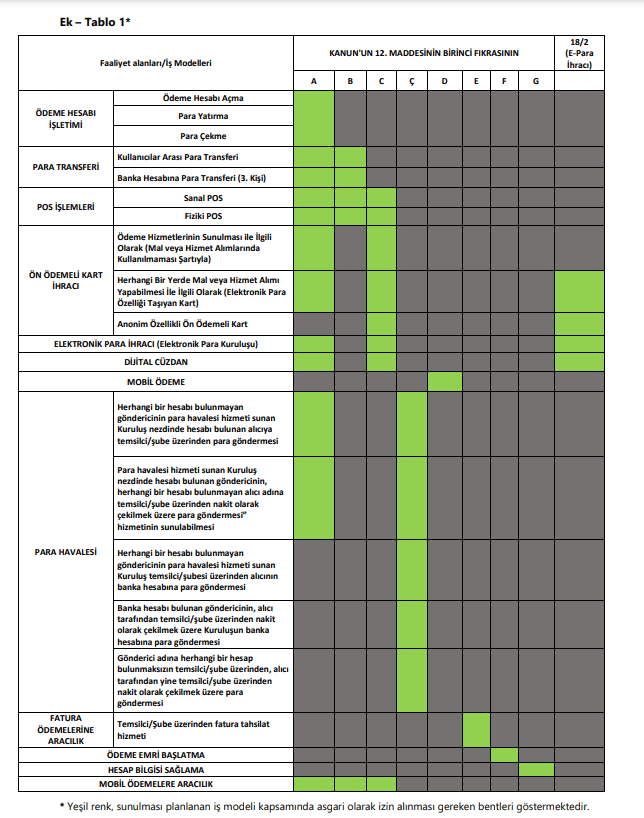
Cover page of the CBRT guide linking payment business models to payment service types

Payment Systems

Guide Linking Payment Business Models to Payment Service Types Published

This Guide links business models frequently encountered in the payments field to the payment services listed in Law No. 6493 on Payment and Securities Settlement Systems, Payment Services and Electronic Money Institutions, and aims at uniformity in practice.

Illustration of a money transfer being sent from one payment card to another

Credit Card

What Is a Card-to-Card Money Transfer?

Card-to-Card Money Transfer (CCMT) lets customers send money 24/7 from a credit, debit, or prepaid card to another card via ATM, internet banking, call center, or mobile app.

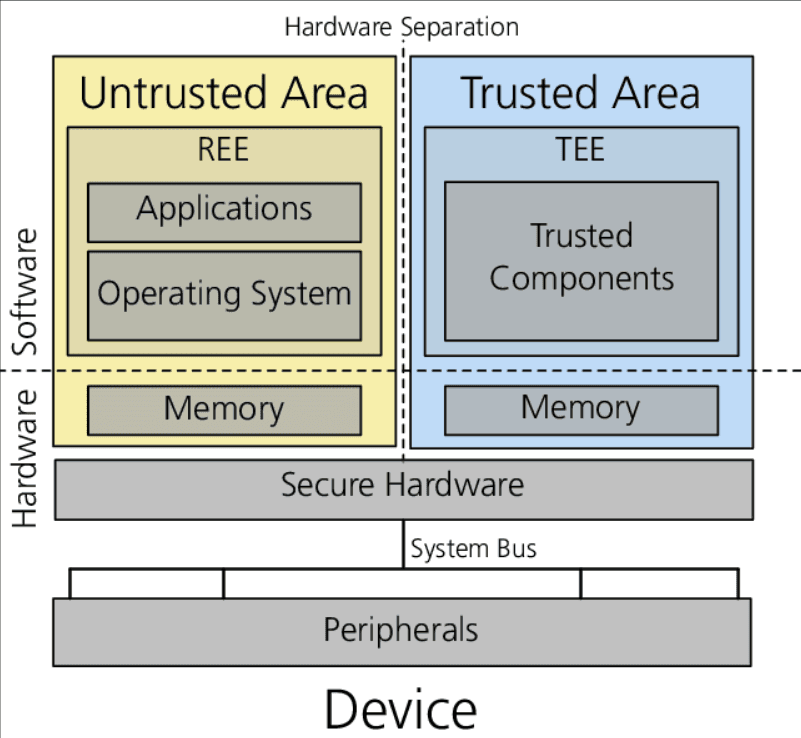
Diagram illustrating a Trusted Execution Environment (TEE) architecture

HSM & Security

What is TEE (Trusted Execution Environment)?

A Trusted Execution Environment (TEE) is an environment where executed code and accessed data are isolated and protected in terms of confidentiality (no one has access to the data) and integrity (no one can alter the code or its behavior). We may not realize it, but many…

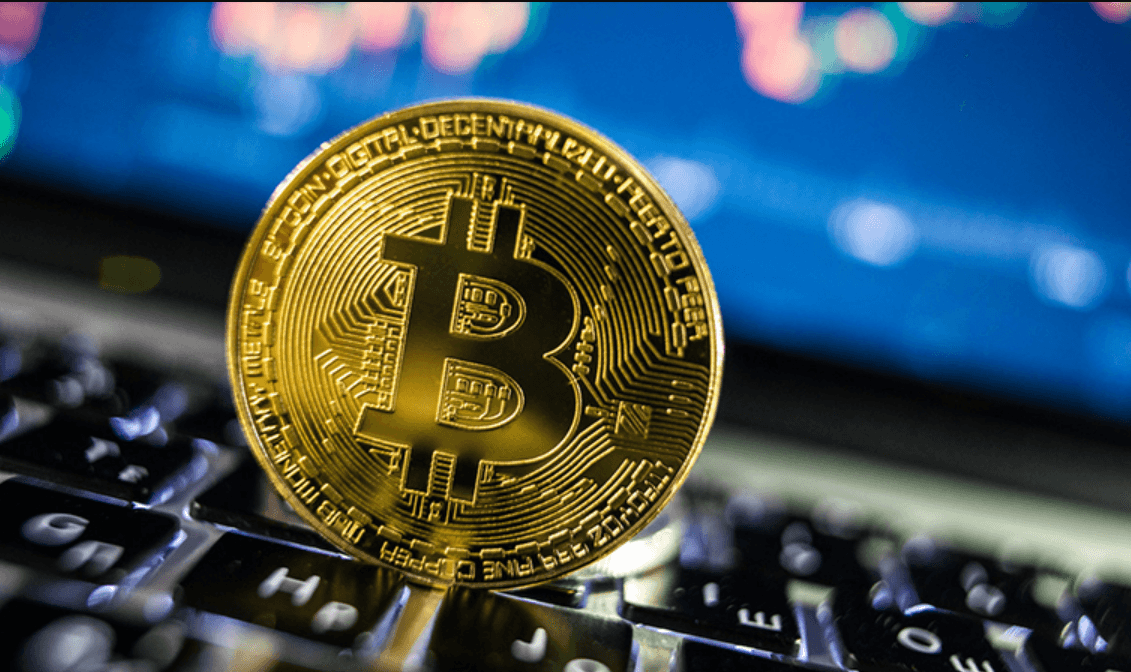
Bitcoin coin symbol illustrating the first cryptocurrency

Cryptocurrency

What Is Bitcoin?

Bitcoin is a digital currency launched experimentally in 2009 by Satoshi Nakamoto. It has no ties to any central bank, can be bought and sold with national currencies and can be transferred without any intermediary.

HCE mobile payment PIN strategies

HCE

What Are the PIN Strategies in HCE?

There are three types of PIN strategy in HCE (Host Card Emulation): No PIN, Card PIN and Wallet PIN or customer biometric data. Each balances user experience and security differently.

Illustration of digital transformation in payment systems

Merchant & POS

How Digital Are You in Payment Systems?

Digitalization has brought major change to payment systems, just as it has to every area of our lives. Its biggest impact has been turning the financial world into something virtual, spanning IoT, mobile payments, blockchain and biometrics.

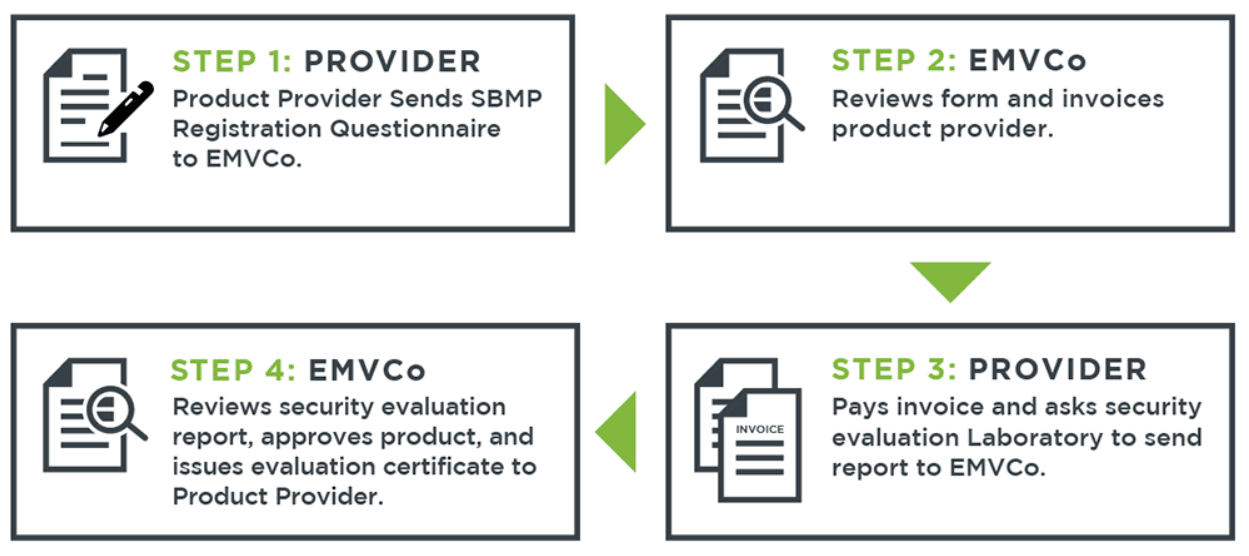
Cover of the EMVCo Software-based Mobile Payment Security Requirements document

Security

What is Software-based Mobile Payment Security Requirements?

“Software-based Mobile Payment Security Requirements” is a document published by EMVCo in April 2020 to guide payment application developers in building secure payment applications. This post summarizes its purpose and who it concerns.

Diagram comparing the three levels of payment-card tokenization: static, semi-dynamic and dynamic

HCE

What Are the Levels of Tokenization?

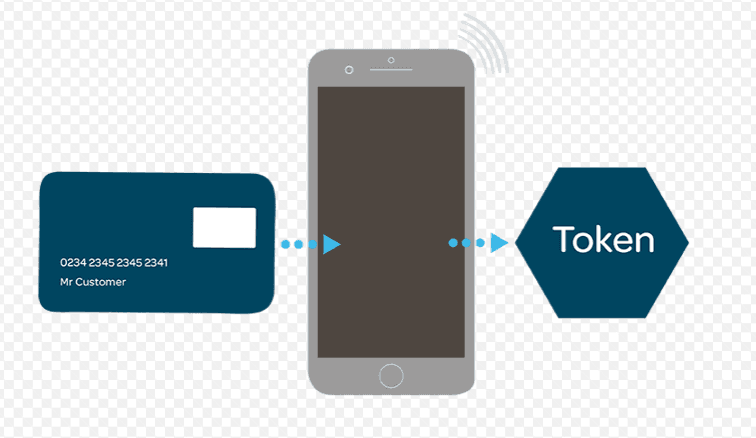
Generating a token from the card number is essential to the security of payments made with mobile devices. The level of tokenization used depends on the need and on how critical the token is. Static tokenization: the token is generated once and stored in a database.