Skip to content

Search

"software update"

18 articles found

Diagram of a partial authorization where an issuer approves only part of the requested amount

Merchant & POS

What Are the Partial Authorization Requirements for an Acquirer Bank?

Partial authorization lets an issuer approve part of the requested amount when the card lacks the full balance, with the rest paid another way. This post covers the technical, receipt, clearing, reconciliation, merchant and certification requirements for acquirers.
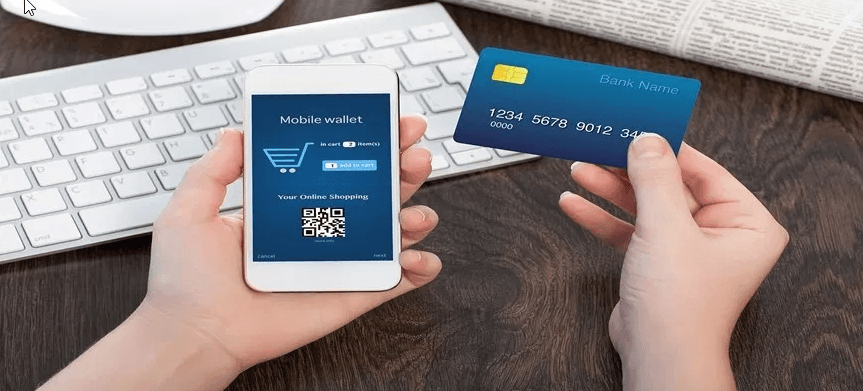
Diagram of internet banking security showing a login screen protected by a padlock

HSM & Security

What Should Be Done to Ensure Internet Banking Security?

In the past, banking meant going to a branch. Today, most transactions run through channels such as the Internet Branch, ATM and Mobile Branch, so improving internet banking security and regularly informing customers about it is important.

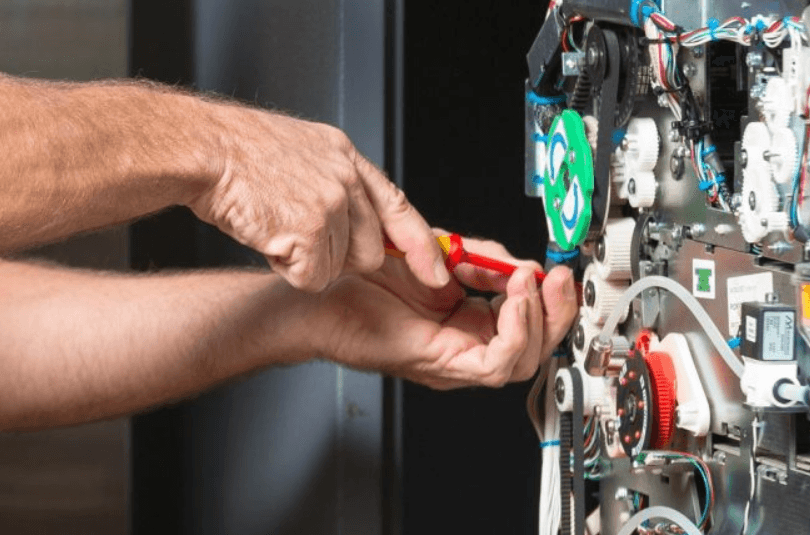
ATM technician performing a second line maintenance repair with a toolkit

ATM

What Is SLM (Second Line Maintenance)?

ATM maintenance is essential for ATM longevity. SLM (Second Line Maintenance) covers repairs that require a toolkit and part replacement, usually without access to the ATM safe, while FLM handles simpler cash and consumable tasks.

Diagram illustrating the structure of an ISO 8583 message field

ISO 8583

ISO 8583 Field Descriptions (F41)

F41 - CARD ACCEPTOR TERMINAL IDENTIFICATION: the terminal where a transaction took place. An 8-character alphanumeric value generated by the acquirer bank and assigned to the POS, managed as a unique terminal number at the acquirer.

Table of Reimbursement Attribute values used in the clearing process

Clearing

What is Reimbursement Attribute?

DE03/Reimbursement Attribute carries the Reimbursement Value of a transaction. BKM uses this information as the basis for calculating interchange fees and charges between member banks.

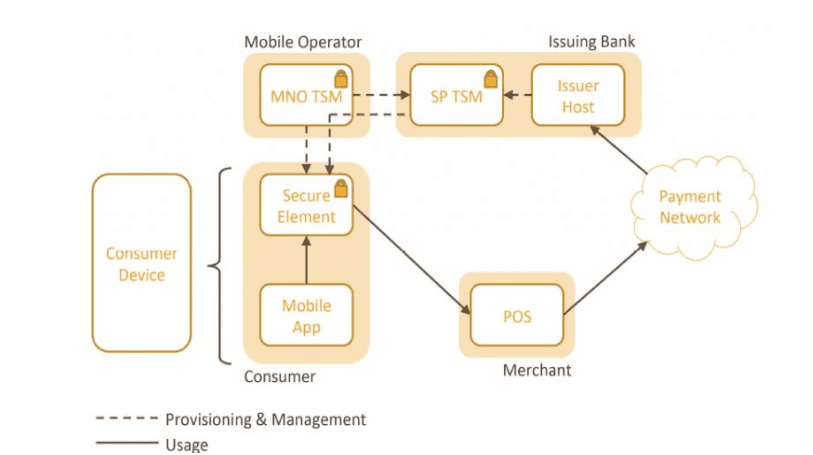
Diagram illustrating the role of a Secure Element Issuer in mobile payments

HSM & Security

What is a Secure Element Issuer?

Secure Element Issuer is the stakeholder that provides, maintains, and updates the secure element in cases where mobile payment application and card data are stored in the secure element inside a mobile phone.

Diagram illustrating Terminal PIN Key (TPK) usage in POS and ATM devices

HSM & Security

What is TPK (Terminal PIN Key)?

TPK stands for Terminal PIN Key. It is a data encryption key used to encrypt PINs for transmission between a terminal and the terminal's bank (acquirer) within a local network. Learn how TPK is used in POS and ATM devices.

Diagram of a smartphone using Magnetic Secure Transmission (MST) to emit a signal that mimics a card's magnetic stripe at a POS terminal

Merchant & POS

What is MST (Magnetic Secure Transmission)?

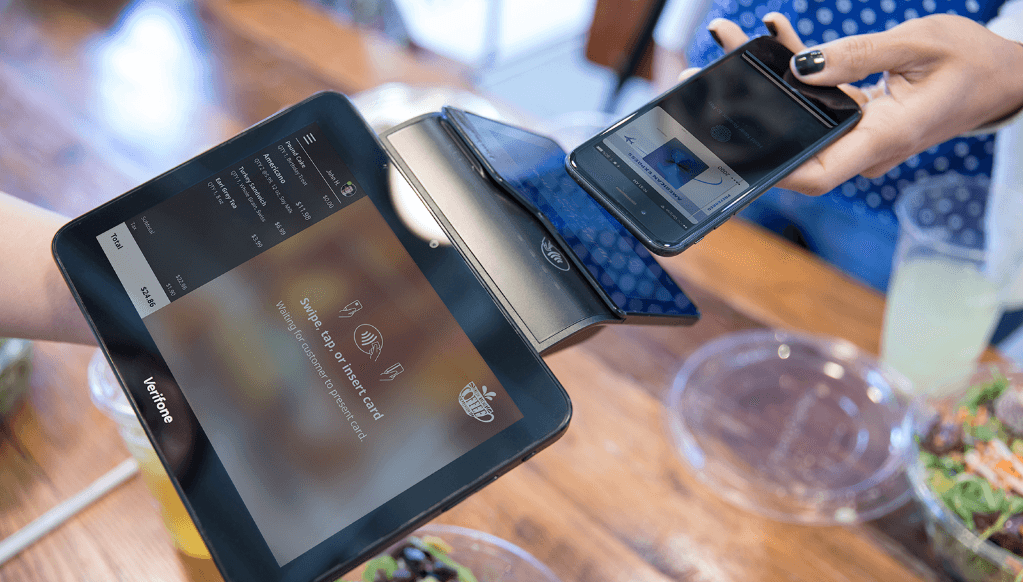
Magnetic Secure Transmission (MST) is a mobile payment technology in which devices such as smartphones emit a signal that mimics the magnetic stripe on a traditional payment card, letting a physical card's POS use be imitated without upgrading terminal software or hardware.

Illustration representing the products and services KKB offers directly to its member institutions

Credit Card

What Products and Services Does KKB Offer Directly to Members?

KKB was established, under banking law, to enable the exchange of all kinds of information and documents among at least five banks, and it also shares credit information about customers. The Credit Bureau of Turkey also serves deposit banks, participation banks, financial institutions, and more.