Skip to content

Search

"terminal management"

65 articles found

Diagram illustrating the structure of an ISO 8583 message field

ISO 8583

ISO 8583 Field Descriptions (F41)

F41 - CARD ACCEPTOR TERMINAL IDENTIFICATION: the terminal where a transaction took place. An 8-character alphanumeric value generated by the acquirer bank and assigned to the POS, managed as a unique terminal number at the acquirer.

Diagram illustrating floor limit management on a POS terminal

Merchant & POS

How is Floor Limit Managed on POS?

The limit that governs the maximum amount for which an offline transaction can be made on a POS terminal is called the Floor Limit. POS parameter management programs (usually GMS) maintain 3 parameters for floor limit management.

Diagram illustrating how a POS terminal's floor limit determines offline transaction approval

Merchant & POS

What Is a Floor Limit?

The floor limit is the value held on the POS that determines the maximum amount for which an offline transaction can be approved. It is managed per terminal and can be updated at any time through the POS parameter management system.

Diagram illustrating the EMV Tag-Length-Value (TLV) data structure used in card transactions

Online & Authorization

What are EMV Tags?

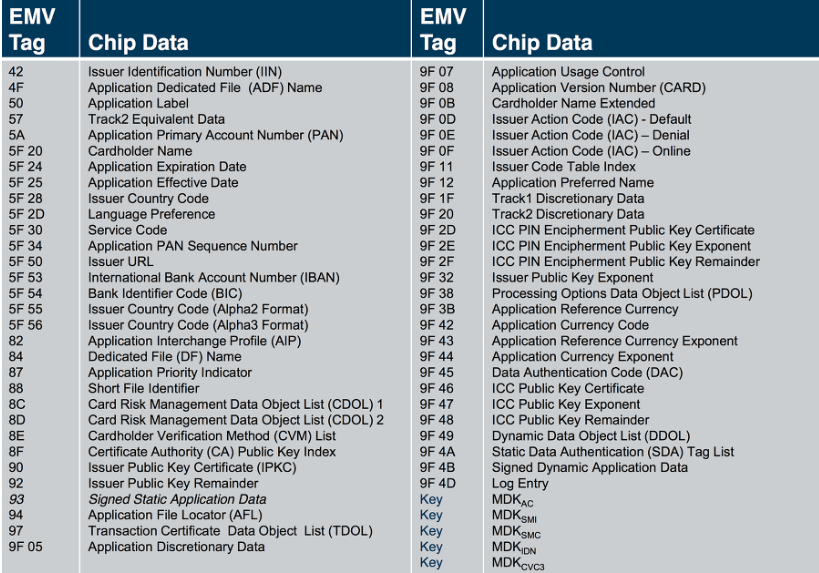
In EMV, data is stored in Tag-Length-Value (TLV) format, and it is carried between the card, the POS terminal, and the authorization system in this same format. This post lists every EMV Tag, its type, and its description.

Table of EMV Transaction Status Information (TSI) bit definitions

Merchant & POS

Transaction Status Information (TSI)

Contains the EMV steps performed by the Terminal in a transaction. The TSI fields, their possible values, and descriptions of the values are shown below.

Diagram showing the BKM TechPOS merchant and POS management infrastructure

Merchant & POS

Is BKM TechPOS Advantageous?

BKM TechPOS is a merchant and POS management infrastructure provided by BKM. Banks need to allocate physical/virtual/ECR POS terminals to merchants in order to establish a merchant relationship with their corporate or sole-proprietor customers.

Diagram of symmetric key types used in payment systems

HSM & Security

Types of Symmetric Keys

In the world of payment systems, keys and their uses are important for transferring information from one place to another, storing information, and securing authorization and scripting steps. Key types are divided into six categories based on their purpose.

Photo of a POS terminal related to Terminal Action Code settings

Merchant & POS

Terminal Action Code (TAC)

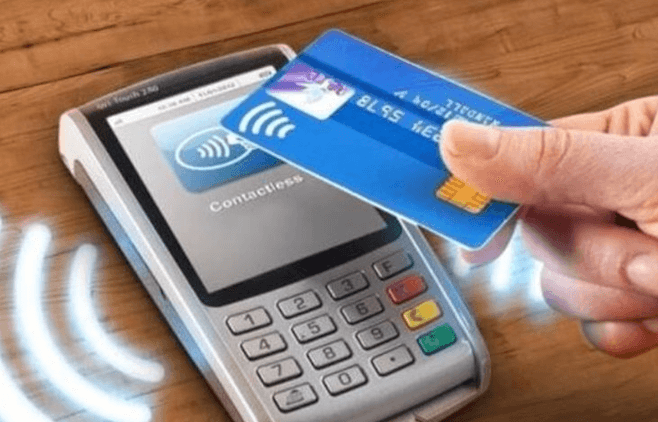
These are codes placed into the terminal software by the acquirer that govern the rules for whether transactions go online or are declined, covering offline approval, offline decline, and online submission due to issuer risk...

POS terminal processing an EMV chip card transaction

Credit Card

Application Interchange Profile (AIP)

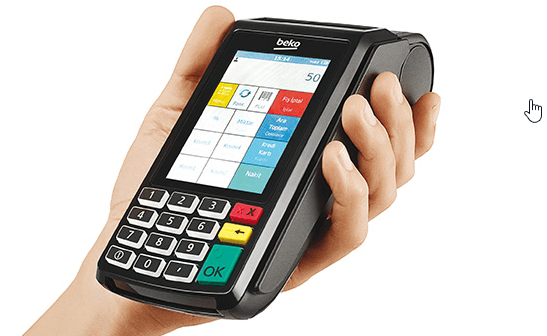
The Application Interchange Profile indicates the application functions supported by the card. The AIP values and their descriptions are given below. Where is the AIP found? The AIP is a 2-byte piece of data stored on the card, carried under EMV tag 82.

POS terminal used for EMV card payment processing

Merchant & POS

TVR (Terminal Verification Results)

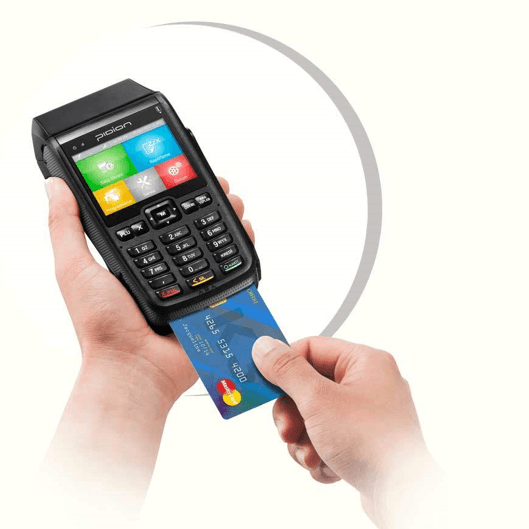
Terminal Verification Results (TVR): a sequence of bits produced when a terminal reads an EMV card, based on logical checks such as an expired card. This data object is used to decide whether a payment transaction should be accepted online, declined, or allowed to proceed.