Skip to content

Search

"card issuing"

302 articles found

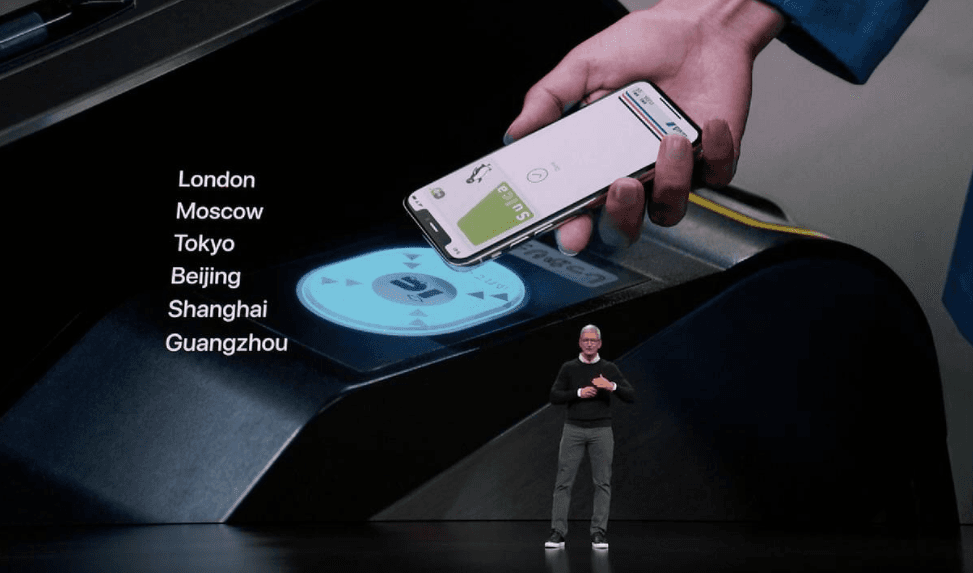
Apple Card and Apple Pay announcement graphic from Apple's Special Event

Credit Card

Apple Is Rewriting the Card World...

Most of us remember the impact the first iPhone, introduced by Steve Jobs on January 9, 2007 and revolutionary for its time, had on our lives. In a similar way, a product that will completely change how we use and view credit cards...
Diagram explaining ISO 8583 message types 200 and 210

Payment Systems

What Are 200 and 210 Messages Used For?

Message 200 is generated for transactions initiated from POS applications, and the acquiring bank responds with message 210. Learn how 100/110 messages route approvals via the issuing bank, and common rejection reasons.

EMV Lower Consecutive Offline Limit 9F14 illustration

EMV

What Is the Lower Consecutive Offline Limit?

The Lower Consecutive Offline Limit is the maximum number of consecutive offline transactions allowed by the ICC application, as set by the issuer, on a terminal capable of going online. It is sent in tag 9F14.

Diagram illustrating the PIN Change/Unblock command process

EMV

What Is Pin Change/Unblock?

The Pin Change/Unblock command is used after card issuance to let the issuer remove a card's PIN block, or instantly change the reference PIN and remove its block, as well.

Illustration of a fallback transaction swiping a card's magnetic stripe after a chip read failure

Merchant & POS

What Is a Fallback Transaction?

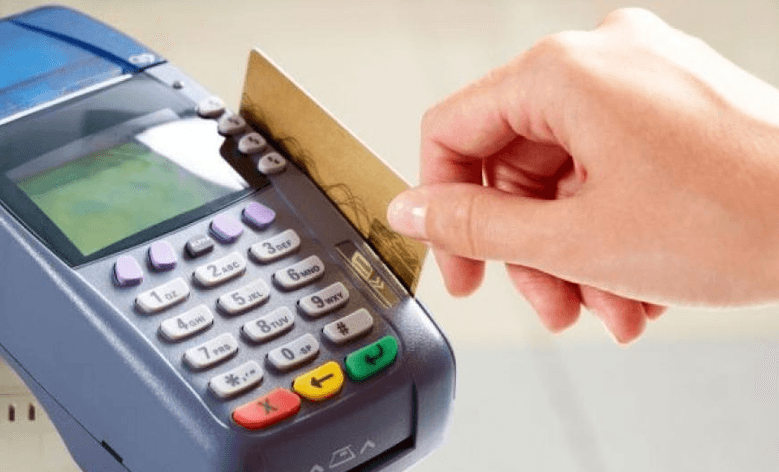
When a chip can't be read due to a chip fault or the card being inserted incorrectly, the transaction is completed by swiping the magnetic stripe on the right side of the POS. Can chipless cards do fallback?

Illustration representing the chargeback and dispute process in card payments

Chargeback

What Are the Domestic Exceptions to Chargeback Rules?

A chargeback is the refund of an amount paid by credit card to the cardholder's card when the purchased goods or services were not received, or when a transaction was not actually carried out by the cardholder.

Diagram illustrating the EMV Tag-Length-Value (TLV) data structure used in card transactions

Online & Authorization

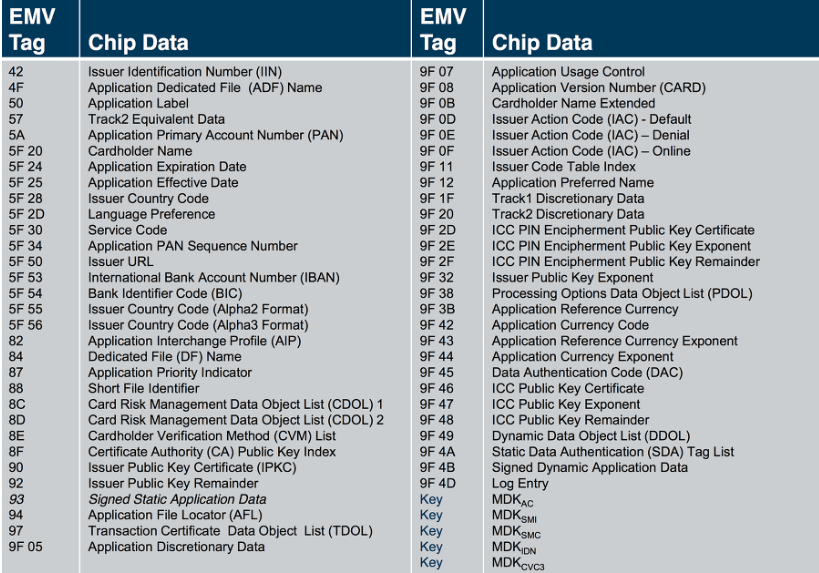
What are EMV Tags?

In EMV, data is stored in Tag-Length-Value (TLV) format, and it is carried between the card, the POS terminal, and the authorization system in this same format. This post lists every EMV Tag, its type, and its description.

Close-up of a payment card showing the embossed cardholder name

Credit Card

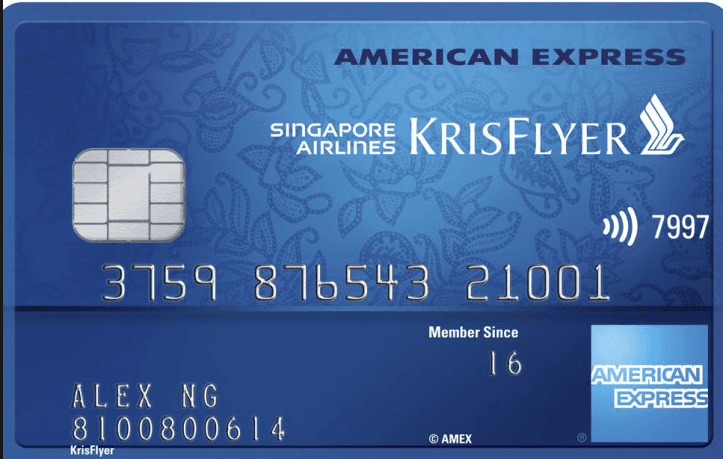
What is Emboss Name?

The customer's name printed on credit and debit cards is called the emboss name. But can we print an unlimited amount of name information on the card? There is a specific area reserved on the card for it.

EMV upper consecutive offline limit

Merchant & POS

What Is the Upper Consecutive Offline Limit?

The Upper Consecutive Offline Limit is the maximum number of consecutive offline transactions allowed by the issuer's chip card application on a terminal that cannot go online. It is held in tag 9F23.

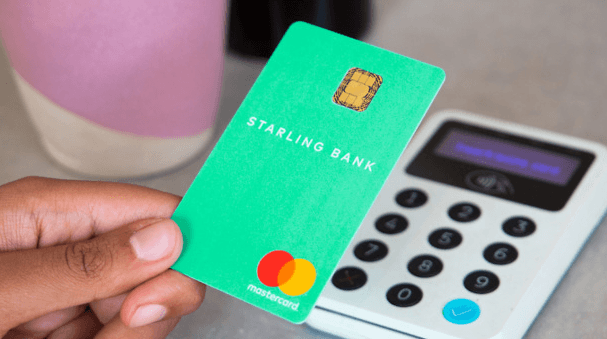
Starling Bank vertical credit card design

Credit Card

Vertical Revolution in Credit Cards

The payment card industry is arguably the sector most affected by technology and the quickest to adapt new developments. With mobile devices, payment systems have changed a lot - we now prefer using our credit cards virtually rather than physically.