Skip to content

Search

"card authorization"

241 articles found

BKM (Interbank Card Center) membership acceptance criteria overview

Laws & Regulations

What Are the BKM Membership Acceptance Criteria?

BKM (Interbank Card Center) membership is available in 3 statuses: bank, institution or HSK. This post explains the eligibility criteria for each status, the 12-month certification requirement and the BKM fee principles.


Illustration of a 3D Secure payment verification screen

Merchant & POS

What is a 3D Secure transaction?

In e-commerce transactions, the system developed to increase transaction security for payments made with credit and debit cards is called 3D Secure. When paying with 3D Secure, a special payment screen provided by the banks appears on the user's screen.

Diagram showing the structure of an EMV AID value split into RID and PIX sections

EMV

What is the Registered Application Provider Identifier (RID)?

RID is part of the AID value, which is structured according to ISO/IEC 7816-5 and consists of two sections: a value specific to the application provider, and an optional field used to identify different providers or products.

Illustration of the compliance process between merchant bank and issuer in card payments

Chargeback

What Is Compliance (Regulatory Compliance)?

Compliance means adherence to card scheme rules. Outside chargebacks, it is how a bank that loses money because card payment organization rules were broken recovers that amount from the party that caused the loss.

Diagram showing different types of POS terminals used for card payments

Merchant & POS

What Is a POS (Point of Sale)?

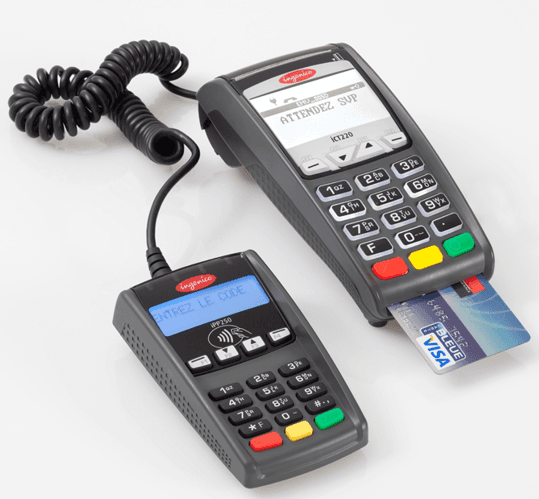
Virtual or electronic authorization devices connected to a bank, used by merchants to accept card payments. The term comes from the English phrase Point of Sale. Covers POS types by communication method, their advantages, who can use one, and the transactions a POS can perform.

Illustration of a card payment approved for a partial amount

Merchant & POS

What Is Partial Authorization?

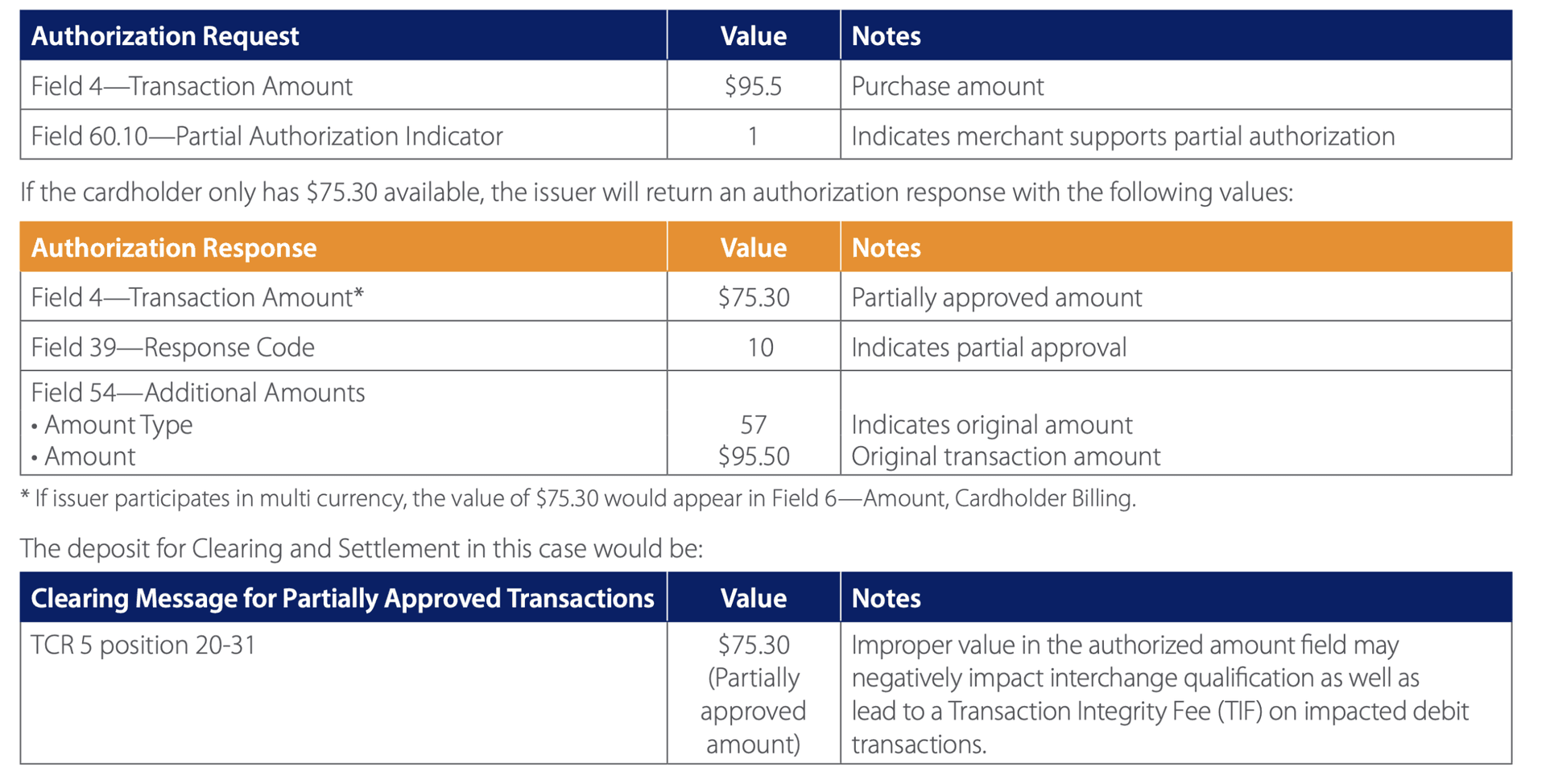
Partial Authorization lets an issuer approve part of a transaction instead of declining it when the balance or limit is insufficient. This post covers how it works in ISO 8583, whether it is mandatory, and why it matters for the business.

Illustration representing an AI agent making purchasing decisions

Agentic Commerce

Agentic Commerce Series – Part 3

Can AI Decide on Our Behalf? Letting an AI agent handle research can make life much easier. The real question is where that should stop, and how much decision-making authority we are ready to hand over.

Diagram of the EMV application selection flow between the terminal and the card

Merchant & POS

EMV Chip Transaction Processing - What Is Application Selection?

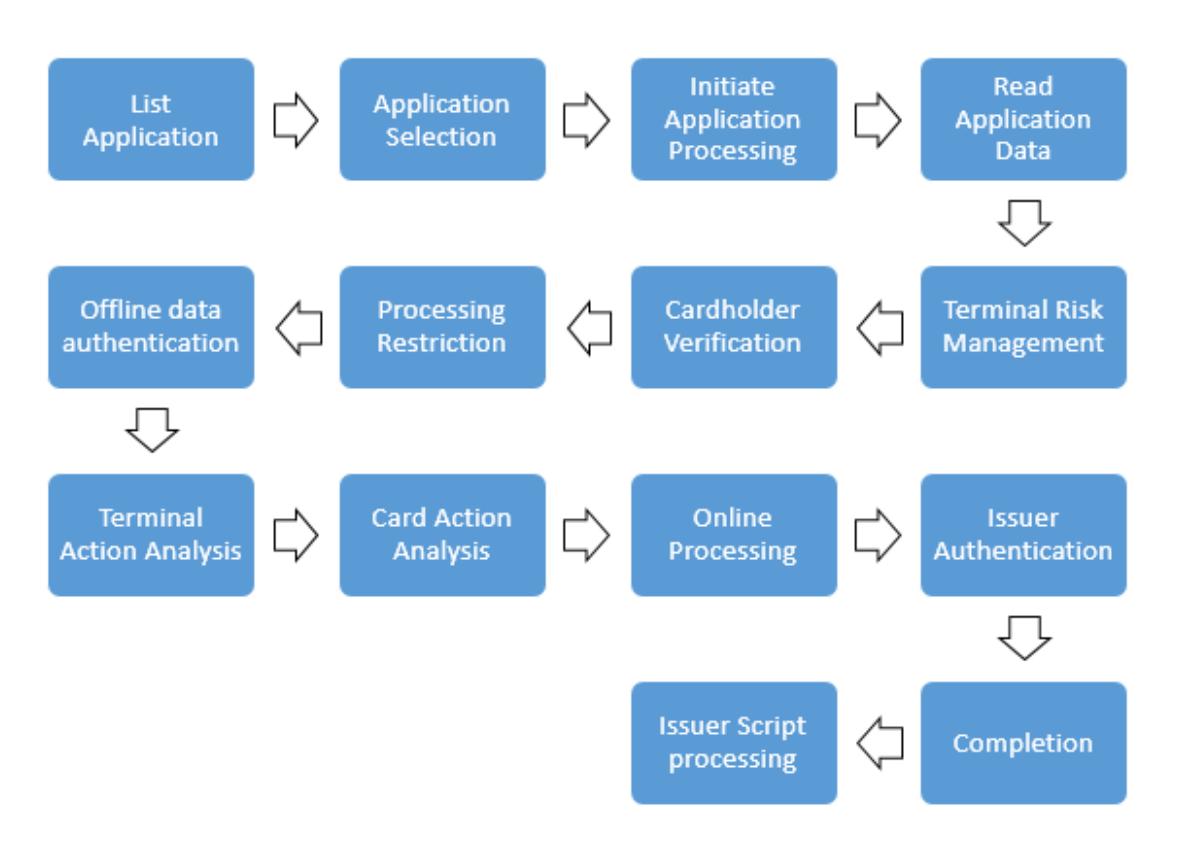
In EMV transactions, Application Selection is the process of choosing among the applications supported by both the card and the terminal. It is the first stage of authorization, so it is very important. This post covers the PSE and List of AIDs methods.

Table of merchant sectors where offline transactions are restricted

Merchant & POS

In Which Sectors Can Offline Transactions Not Be Performed?

An offline transaction is one approved by the card and the POS themselves, without going to any system (the card's bank or the POS's bank), when a chip card transaction is made at a POS. For this reason, some sectors considered risky are restricted.

Illustration of a point-of-sale terminal checking a card against a warning list

Merchant & POS

What is the Combined Warning List (BUL)?

The Combined Warning List (BUL) lists card numbers the issuer wants blocked (lost, stolen, counterfeit, etc.), which acquiring merchants check within certain limits, at their own risk, when online authorization cannot be obtained.