
Merchant & POS
What Is Opt Out?
In online transactions, Opt Out is the cardholder exercising the right not to enroll in 3D Secure. It is not unlimited: only as many transactions as the issuer allows can be made without 3D Secure.
Search
158 articles found
Merchant & POS
In online transactions, Opt Out is the cardholder exercising the right not to enroll in 3D Secure. It is not unlimited: only as many transactions as the issuer allows can be made without 3D Secure.
Security
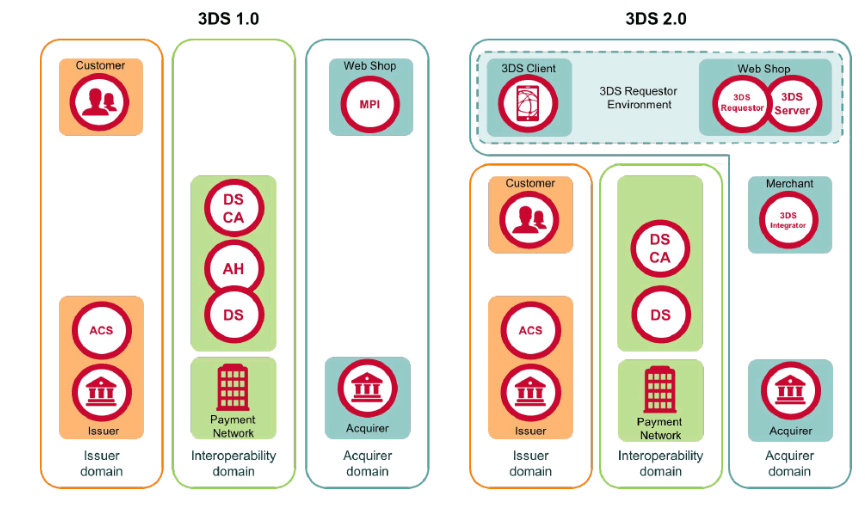
Before 3D Secure 2.0, let's explain what 3D Secure is. 3D Secure is a two-layer payment authentication system that protects both the cardholder and the merchant in online payments. First released by Visa in 1999, it was later adopted by other card schemes…
Merchant & POS
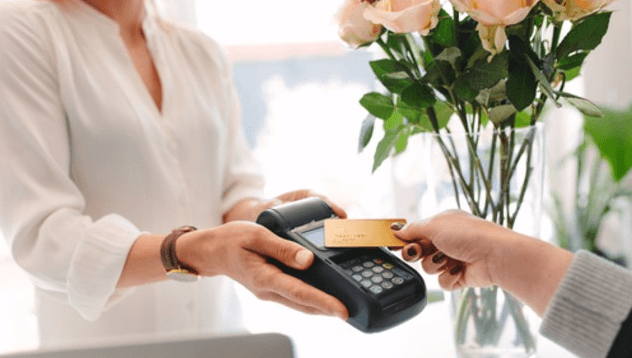
BKM has changed the domestic transaction flows for contactless transactions above and below the CVM limit. For above-limit transactions, the issuer can now ask the cardholder to re-enter the PIN instead of terminating the transaction after an incorrect PIN (DE39 = 55).
Closed-Loop Payments
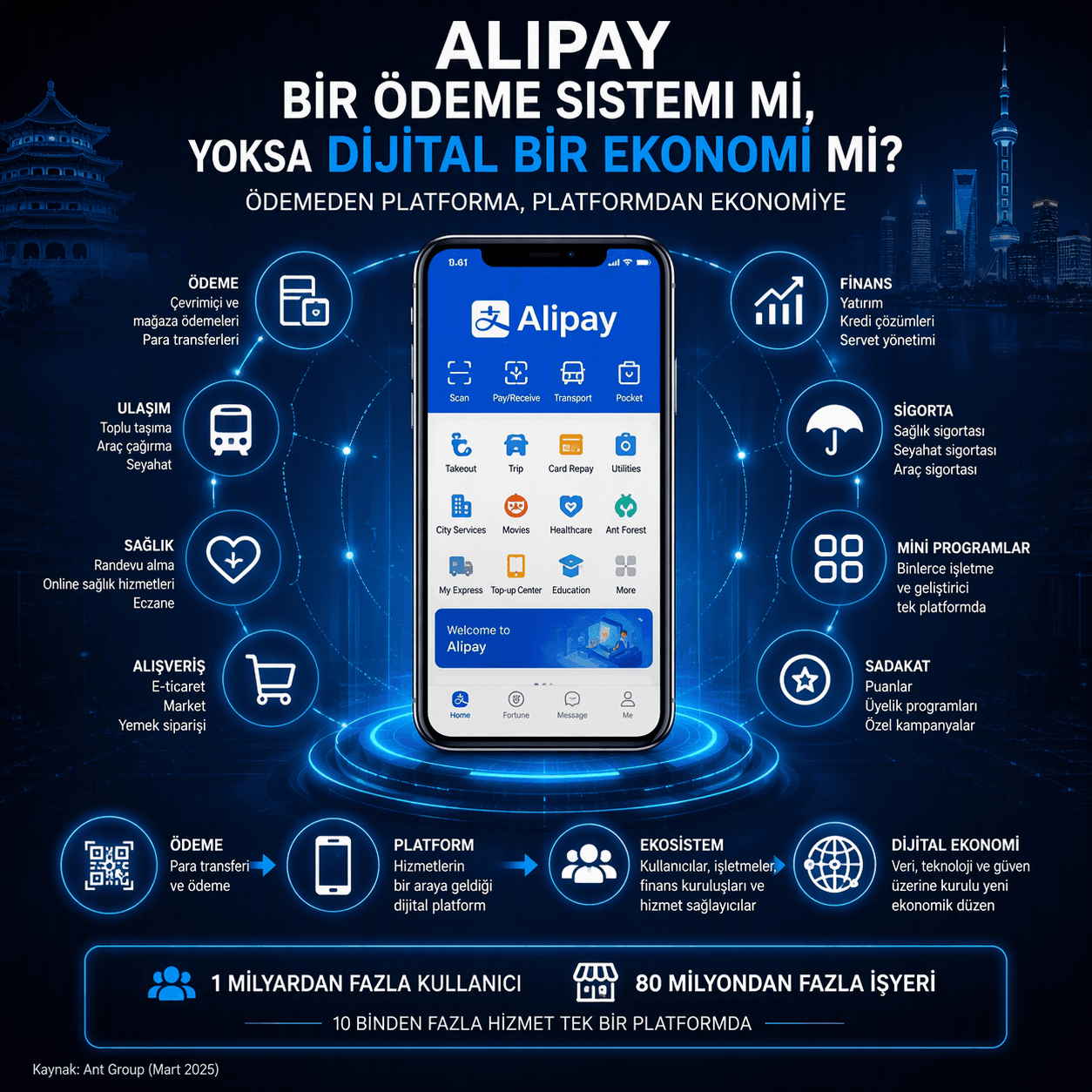
Is Alipay a payment system, or a digital economy? In the previous post we discussed how Starbucks shows that payment systems can evolve into a different structure. At first the goal was to make payment easier for the customer. As the system grew, loyalty programs...
Online & Authorization
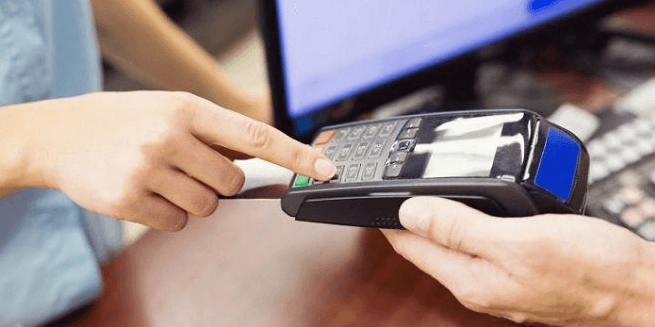
A reference guide to authorization response codes seen on POS and ATM transactions, with plain-language explanations of what each code means and what to do about it.
Credit Card
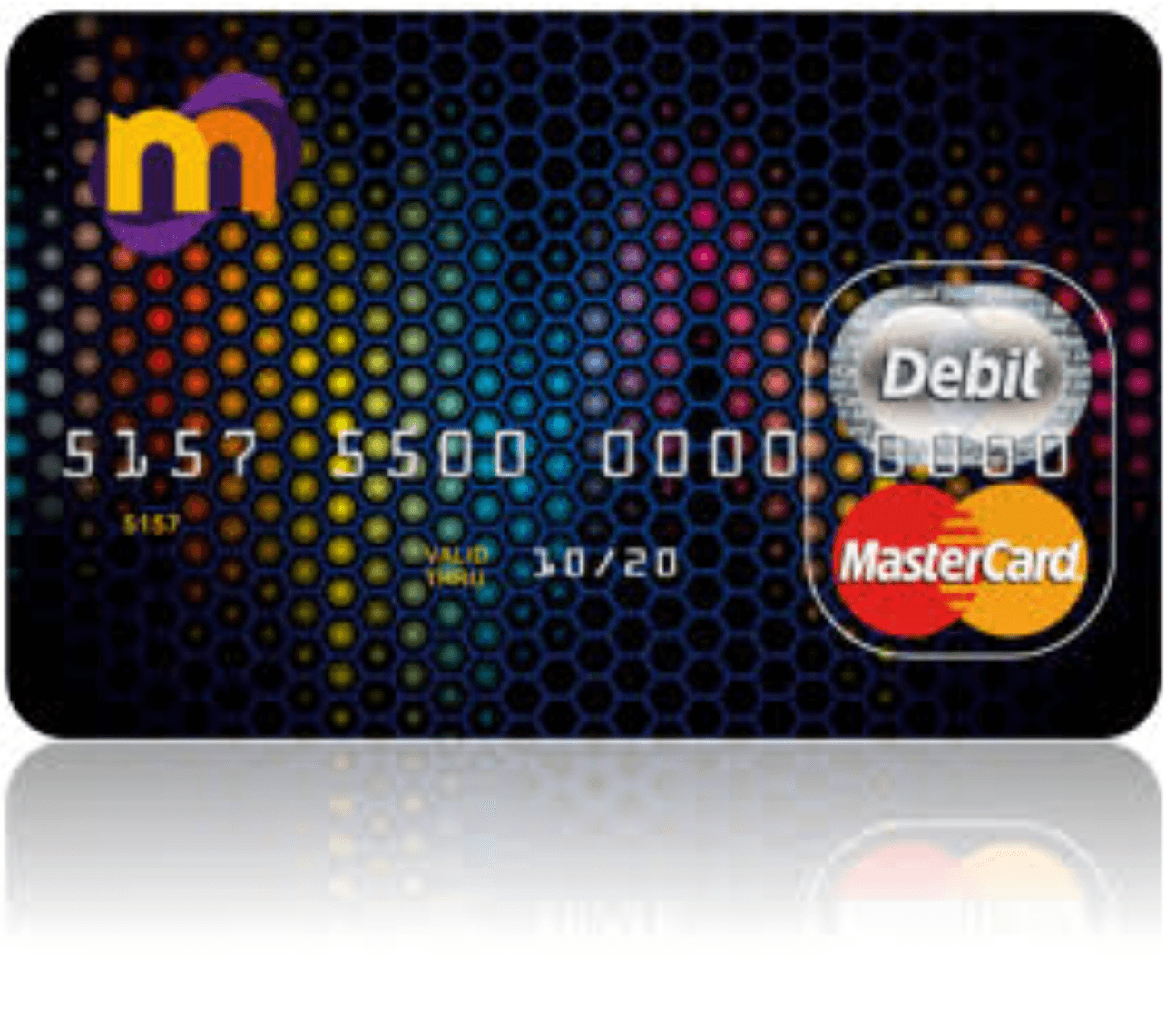
A prepaid card is a customized card, with or without a chip, not linked to a bank account and without a credit limit like credit cards, letting you spend only the amount loaded onto it.
EMV
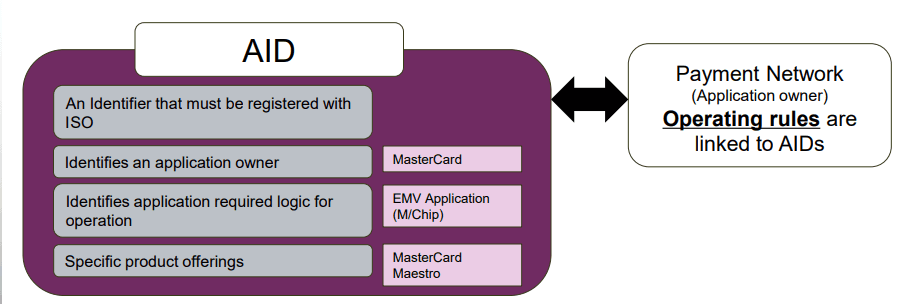
The AID tells the terminal which applications are present on a chip during a POS or ATM transaction. What does the AID do? It lets the terminal determine whether it supports an application on the chip. In Tag 9F06, it is 5-16 digits long.
Online & Authorization
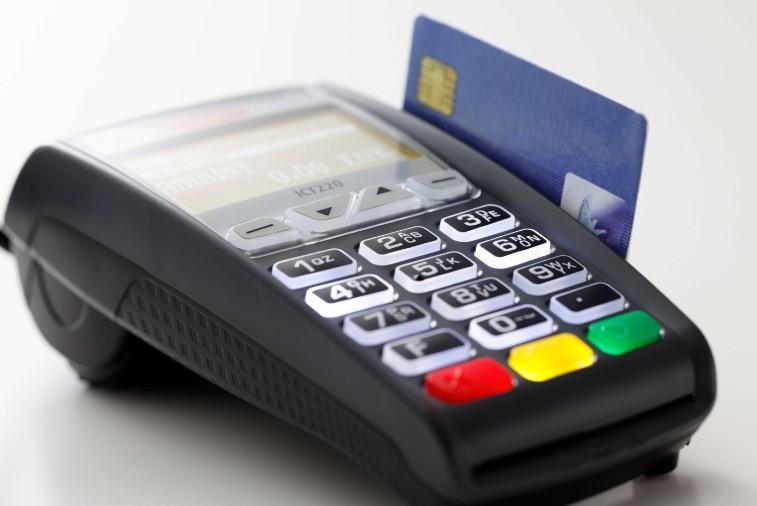
Cardholder verification in EMV is specific to chip cards. One goal of EMV is to minimize card fraud. To do this, three parties must be verified: the bank, the cardholder, and the terminal. One of the data items taken from the card to prove identity is...
Credit Card
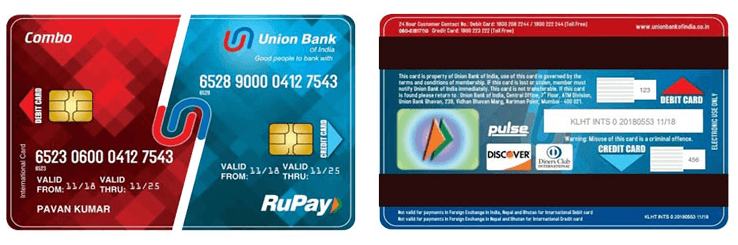
A look at the Union Bank RuPay combo card, an unusual design with two chips, two card numbers, two CVV2 values, two magnetic stripes, and two payment schemes combining credit and debit card functions.
Credit Card
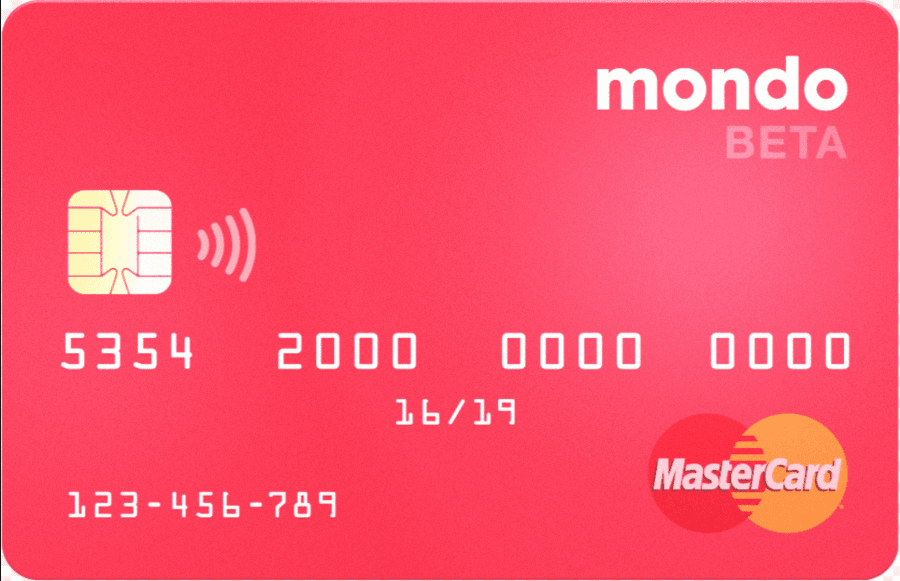
A prepaid card is a customized chip or chipless card that is not linked to a bank account and has no credit limit like a credit card. You can only spend up to the amount loaded onto the card.
Online & Authorization
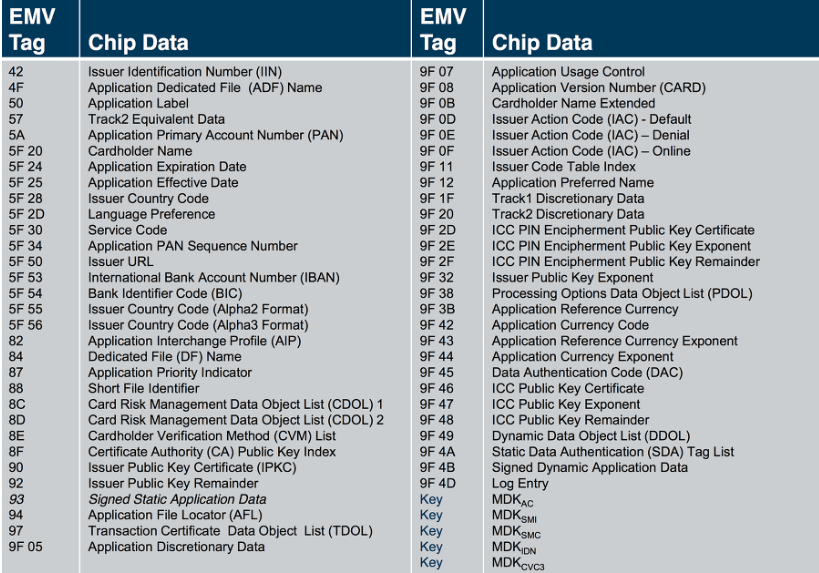
In EMV, data is stored in Tag-Length-Value (TLV) format, and it is carried between the card, the POS terminal, and the authorization system in this same format. This post lists every EMV Tag, its type, and its description.
Credit Card
In the early years of credit cards, using the card physically was mandatory. With the internet and new technologies, we can now pay with only the card details, 3D Secure and contactless NFC payments, even without the card in hand.