Skip to content

Search

"payment APIs"

23 articles found

Diagram of a partial authorization where an issuer approves only part of the requested amount

Merchant & POS

What Are the Partial Authorization Requirements for an Acquirer Bank?

Partial authorization lets an issuer approve part of the requested amount when the card lacks the full balance, with the rest paid another way. This post covers the technical, receipt, clearing, reconciliation, merchant and certification requirements for acquirers.
Open banking illustration representing payment services data sharing APIs between financial institutions and third-party providers

Payment Systems

Guide on Data Sharing Services in Payment Services Published

Open banking opens financial data, under the regulations and with the customer's explicit consent, to third-party service providers through standard APIs. The CBRT has published a guide on payment initiation and account information services, covering licensing and technical certification.

Illustration of embedded finance, with payment, credit, insurance and investment services built into everyday digital platforms

Open Banking

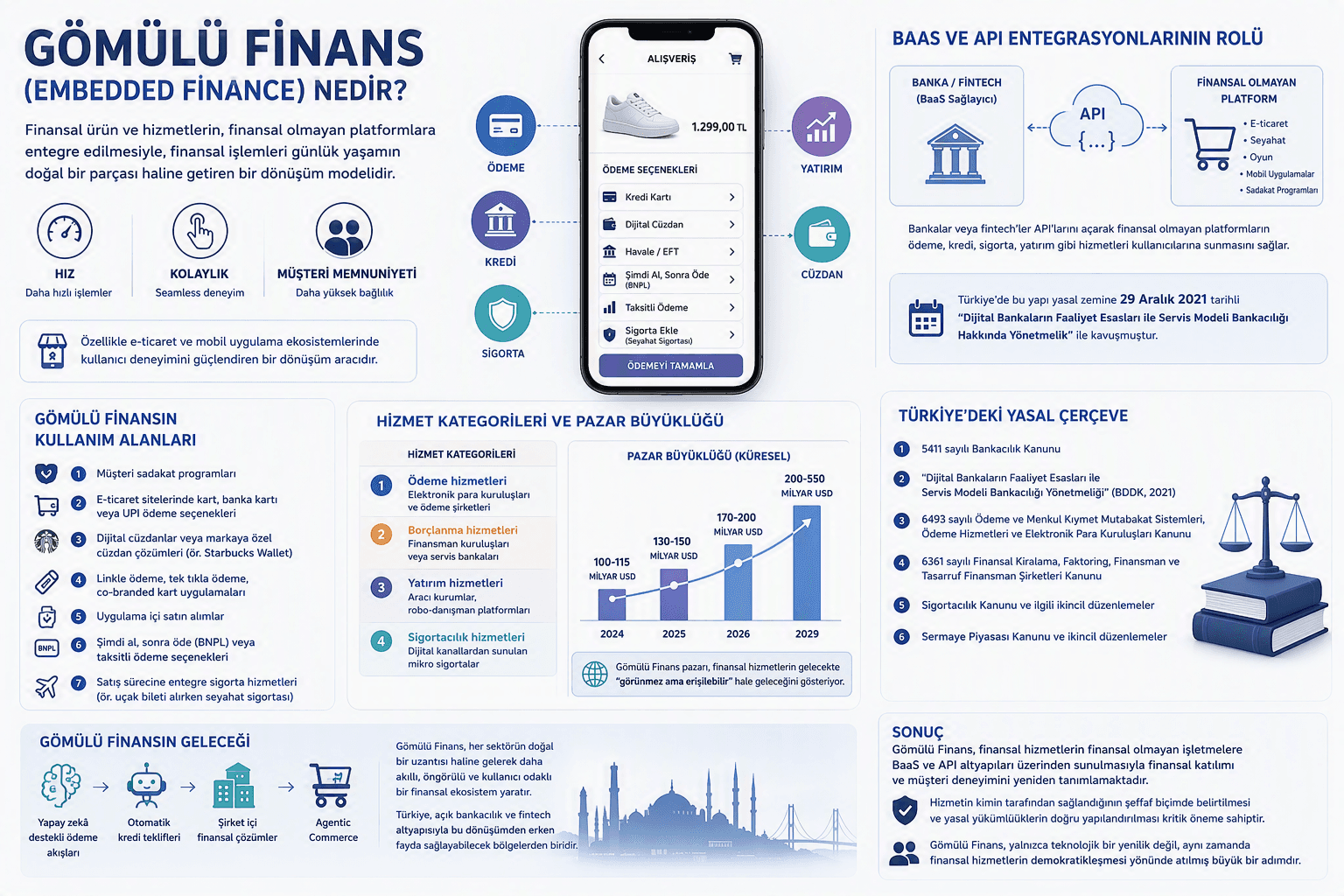
What Is Embedded Finance?

Embedded Finance means integrating financial products and services into non-financial platforms, experiences or business processes. In other words, services offered by financial institutions become part of the product or service flows of non-financial organizations.

Illustration of a closed-loop payment ecosystem growing through loyalty, data, and new services

Closed-Loop Payments

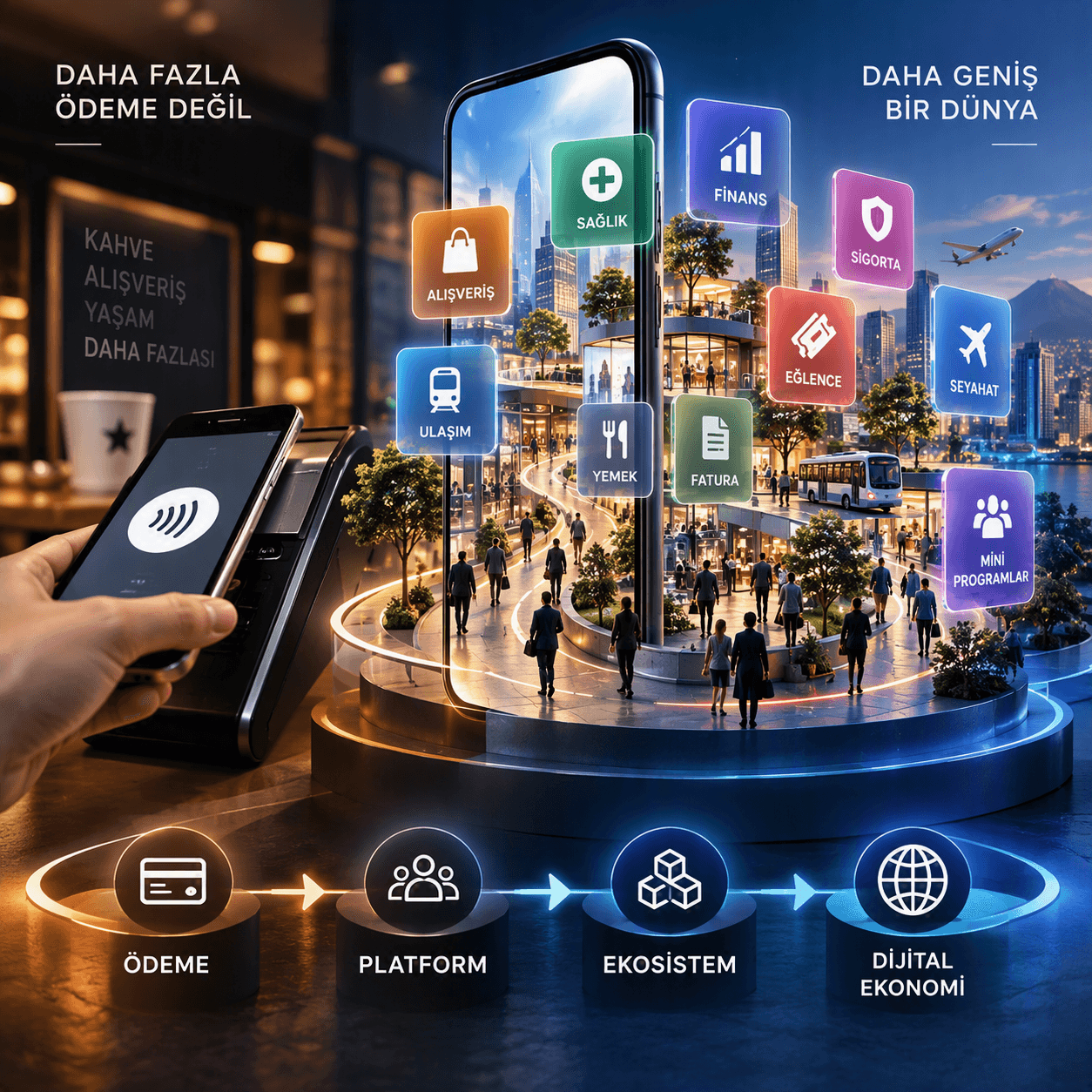
Why Do Closed-Loop Payment Systems Want to Grow? | Series #6

Why does a coffee chain build its own loyalty program, and why does a payment app keep adding services? This post looks at how loyalty, data, and new services drive the growth of closed-loop payment systems, and at the financial layers behind that growth.

Illustration representing open banking and banking as a service with digital banking and API connection icons

Open Banking

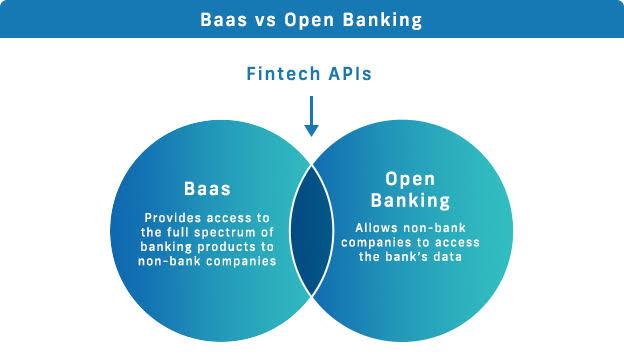
What are the differences between Banking as a Service and Open Banking?

First, it is useful to briefly recall the concepts of Banking as a Service and Open Banking. Banking as a Service (BaaS) lets interface developers connect directly to service banks' systems via APIs and open banking services to run banking transactions for customers...

Account Information Service Provider concept icon

Payment Systems

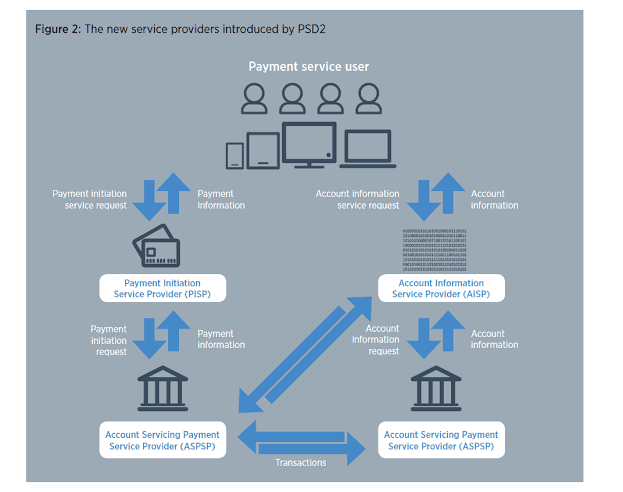
What are Account Information Service Providers?

Digital Account Checking underpins many innovative banking and FinTech services. In most cases, it is performed by Account Information Service Providers, which supply data from customers' online bank accounts to other banks and third-party providers.

Illustration representing communication protocols used in POS payment systems

Merchant & POS

What Are POS Sub-Protocols and Their Use Cases in Turkey?

In payment systems, every exchange between POS devices and bank or payment institution systems runs on a specific messaging standard, generally based on ISO 8583. However, each country, bank, or switch network defines its own version of this standard.

Conceptual illustration of AI agents engaging in online commerce and payments

Agentic Commerce

Agentic Commerce Series – Part 1

The next customer on the internet may not be human. If AI agents become part of purchasing decisions, the rules of e-commerce, marketing, and payment systems could change.

Diagram illustrating open banking, where customer financial data is shared with fintech companies through APIs

Payment Institutions & E-Money

What Is Open Banking?

Open banking means sharing customers' financial information with a third-party fintech company so that a range of banking and financial services can be offered to them. It works through API integrations. This post covers its status in Turkey and the new BRSA regulation.

Illustration symbolizing the shift from search engines to AI-driven decision engines in online shopping

Payment Systems

Agentic Commerce Series - Part 2

If users start describing their needs instead of searching for products, one of the internet economy's most fundamental habits could change.