
Merchant & POS
Don't Dismiss the POS Receipt
In daily credit card purchases, the POS produces two receipts: the Customer Copy and the Merchant Copy. The cardholder gets the customer copy; the merchant keeps its own copy by law.
Search
80 articles found
Merchant & POS
In daily credit card purchases, the POS produces two receipts: the Customer Copy and the Merchant Copy. The cardholder gets the customer copy; the merchant keeps its own copy by law.

Chargeback
A chargeback is a dispute raised against a card transaction when the cardholder did not make it or does not recall it. The dispute types vary depending on the situation; let's look at them.
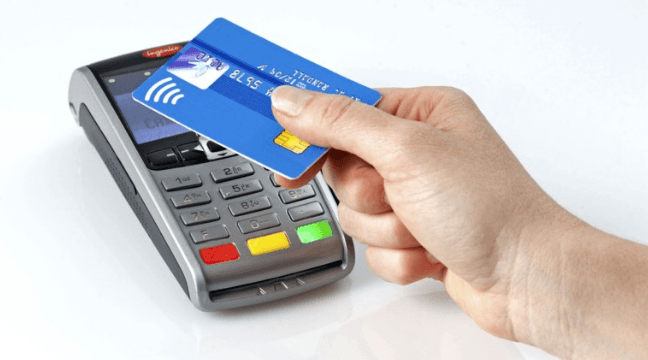
Merchant & POS
In chip transactions made with a credit card via POS, the transaction amount is approved by the card and POS based on parameters on the card and POS, without going to the card bank or POS bank. These are called offline transactions.

ISO 8583
DE 12-TIME, LOCAL TRANSACTION: the local time at which the transaction took place at the point of transaction (ATM, POS). 6 digits, hhmmss format. F12 differs from F7 (Transmission Date and Time).
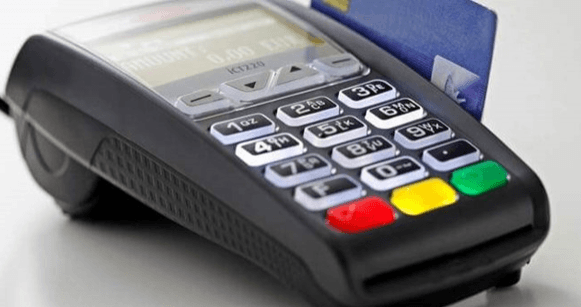
Merchant & POS
Loading parameters onto a POS transfers BIN lists, key data, and refund/cancellation authorizations from the management system onto the terminal. Learn how and when it happens.
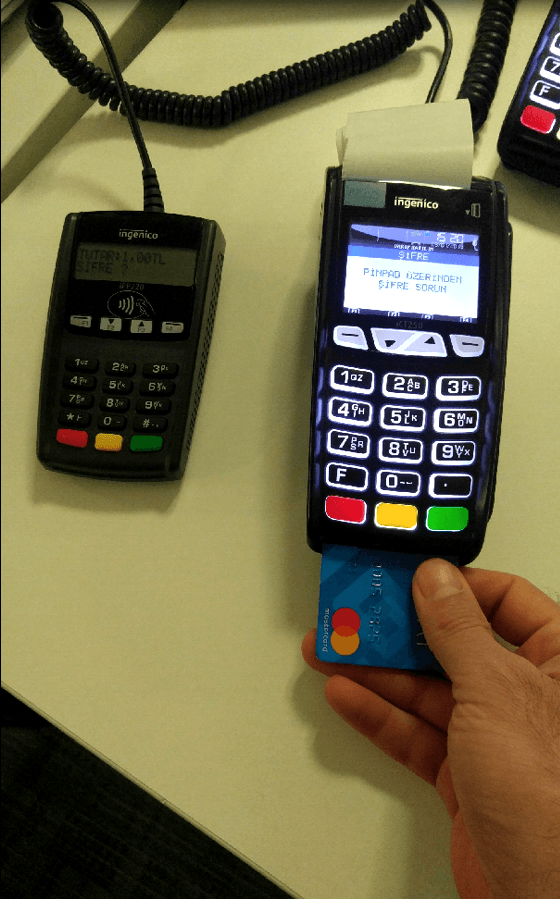
Merchant & POS
Credit card transactions made via POS sometimes need to be reversed. These are called a cancellation (void) or a refund. What's the difference, and when does each apply?
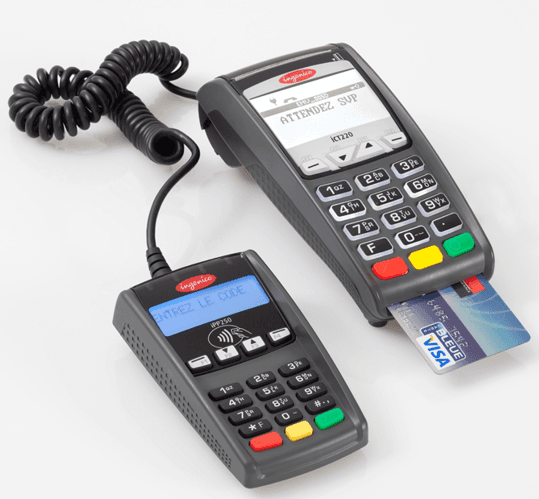
Merchant & POS
Virtual or electronic authorization devices connected to a bank, used by merchants to accept card payments. The term comes from the English phrase Point of Sale. Covers POS types by communication method, their advantages, who can use one, and the transactions a POS can perform.
Merchant & POS
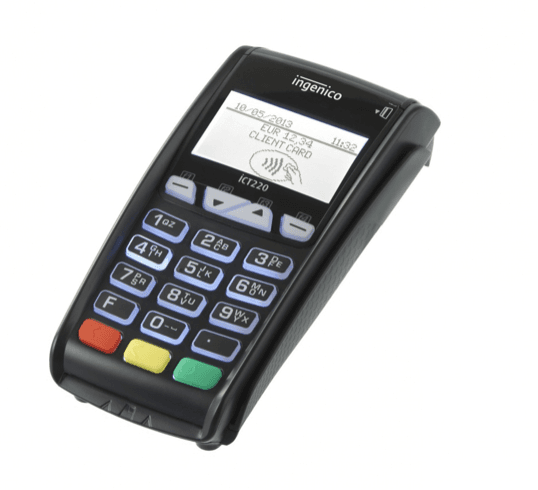
To upload a version to a POS, the software on the POS and the authorization system on the bank side must support it. Version upload to a POS can be done manually on the device itself, or via a remote upload request.
Online & Authorization
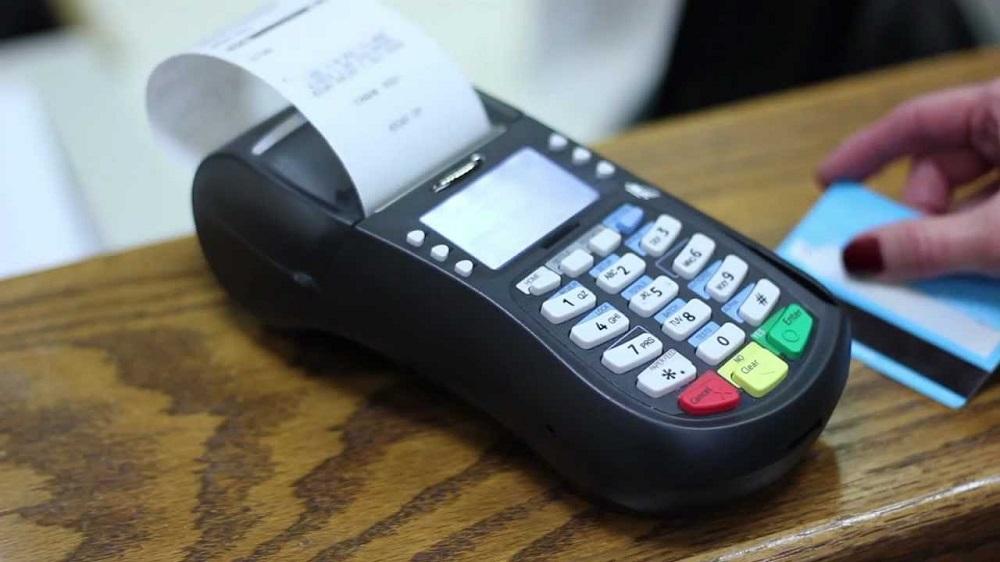
Below are the possible response code values for offline transactions and their explanations: Response Code / Explanation - Y1: Approved offline, Z1: Declined offline, Y2: Approved after referral, and more.
Merchant & POS
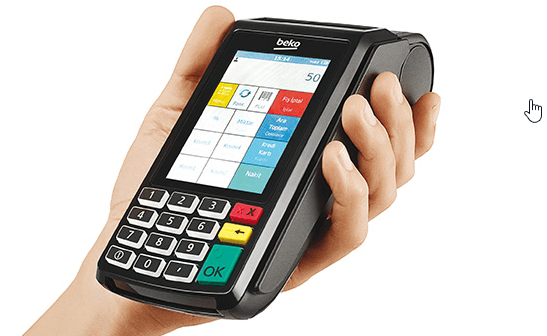
The floor limit is the value held on the POS that determines the maximum amount for which an offline transaction can be approved. It is managed per terminal and can be updated at any time through the POS parameter management system.
Payment Systems
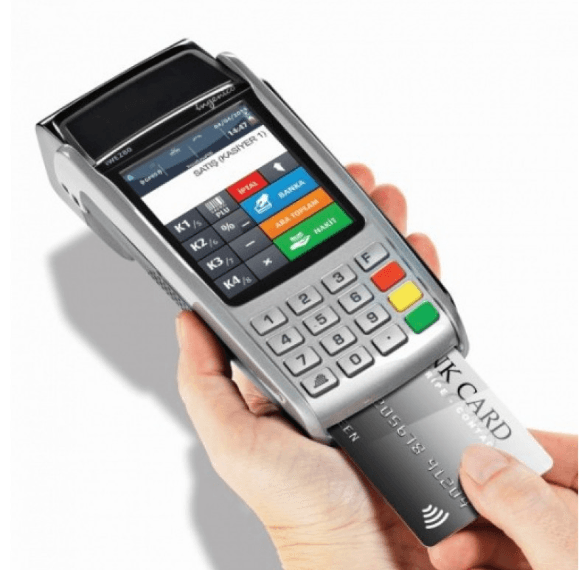
With its announcement of 30/11/2023, the Revenue Administration published a draft Tax Procedure Law General Communiqué to complete the replacement of old-generation payment recorder devices (EN OKC) with new-generation ones (YN OKC), reduce cash use and increase card payment options.
Merchant & POS
Early Hold Release is a solution that allows merchants operating under a holdback arrangement to access their turnover held in the hold account when they need cash, before the holdback period ends. Merchants can work with banks under 3 different terms.