Skip to content

Search

"Mobile POS"

75 articles found

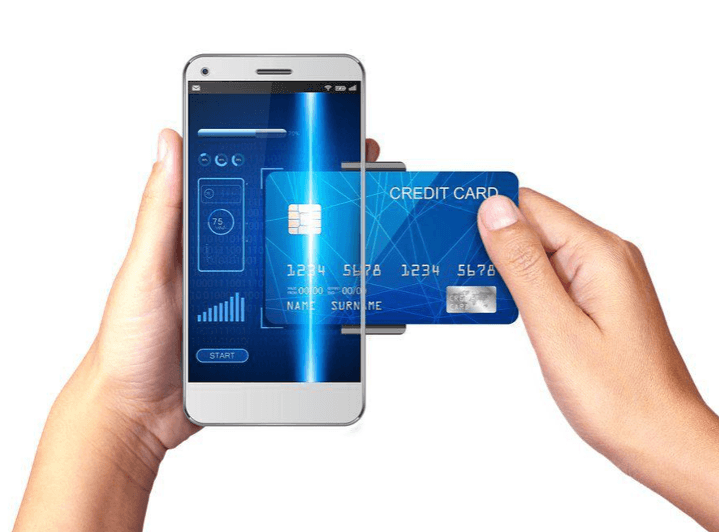
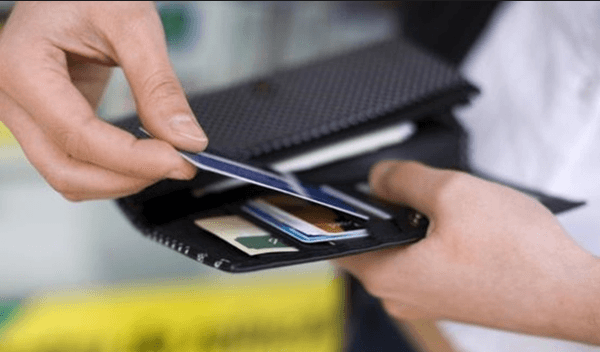
Credit card and smartphone illustrating online card payments without physically presenting the card

Credit Card

Do I have to use my physical card when shopping?

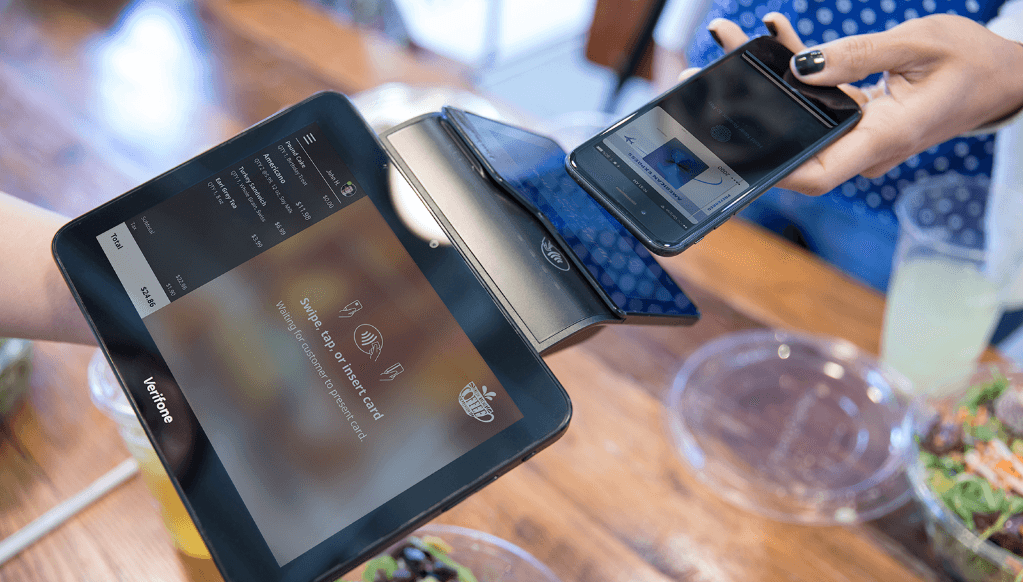
In the early years of credit cards, using the card physically was mandatory. With the internet and new technologies, we can now pay with only the card details, 3D Secure and contactless NFC payments, even without the card in hand.
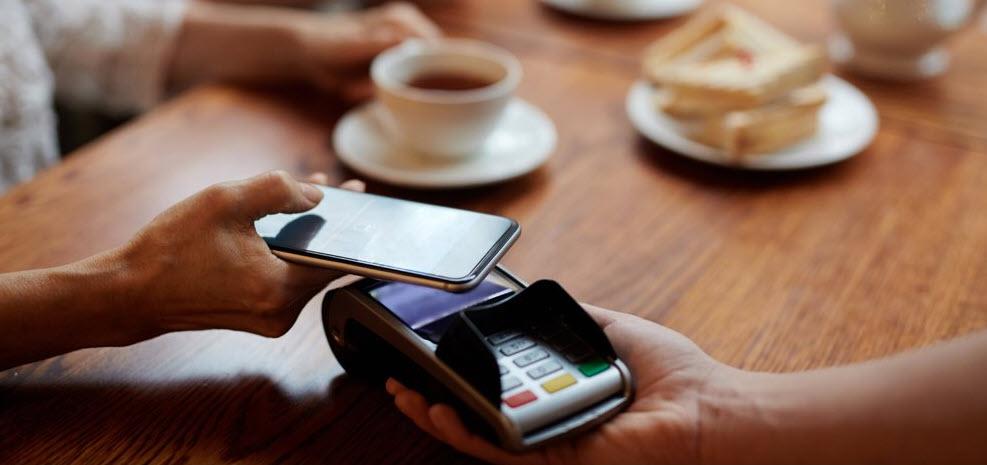
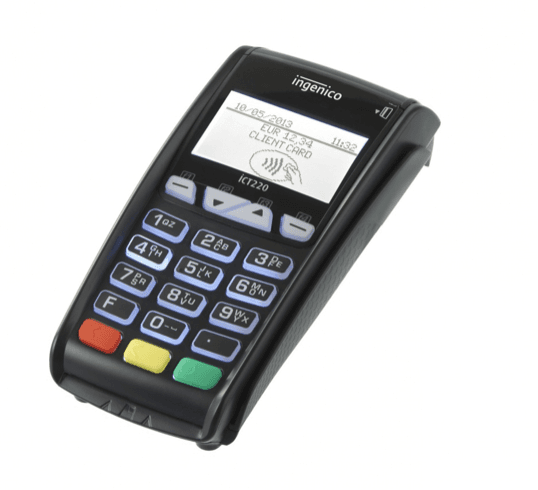
Illustration of Host Card Emulation (HCE) enabling contactless mobile payments

Online & Authorization

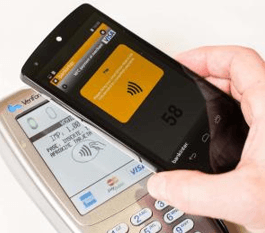
What Is HCE?

HCE lets a mobile device's operating system emulate the cards we use daily (credit, debit, gift cards, etc.) to make contactless payments via NFC. In other words, our phones behave like the cards we use for payments.

Illustration representing a mail order card payment transaction

Merchant & POS

What is a Mail Order transaction?

Mail Order (Mail Order/Telephone Order) is a transaction made by selecting the Mail Order option on a POS or through the virtual POS interface, entering the card number, expiration date, and CVV2. It is typically used when the cardholder is not present.

Diagram illustrating the ISO/IEC 14443 contactless card communication standard

HCE

What Is the ISO/IEC 14443 Standard?

An international standard that defines proximity cards used in Near Field Communication (NFC) and the protocols used to communicate with them. It has 4 parts; Part 4 covers NFC and HCE operations.

Diagram of a smartphone using Magnetic Secure Transmission (MST) to emit a signal that mimics a card's magnetic stripe at a POS terminal

Merchant & POS

What is MST (Magnetic Secure Transmission)?

Magnetic Secure Transmission (MST) is a mobile payment technology in which devices such as smartphones emit a signal that mimics the magnetic stripe on a traditional payment card, letting a physical card's POS use be imitated without upgrading terminal software or hardware.

Diagram of the TR QR Code payment flow between cardholder, issuer, BKM and acquirer

Payment Systems

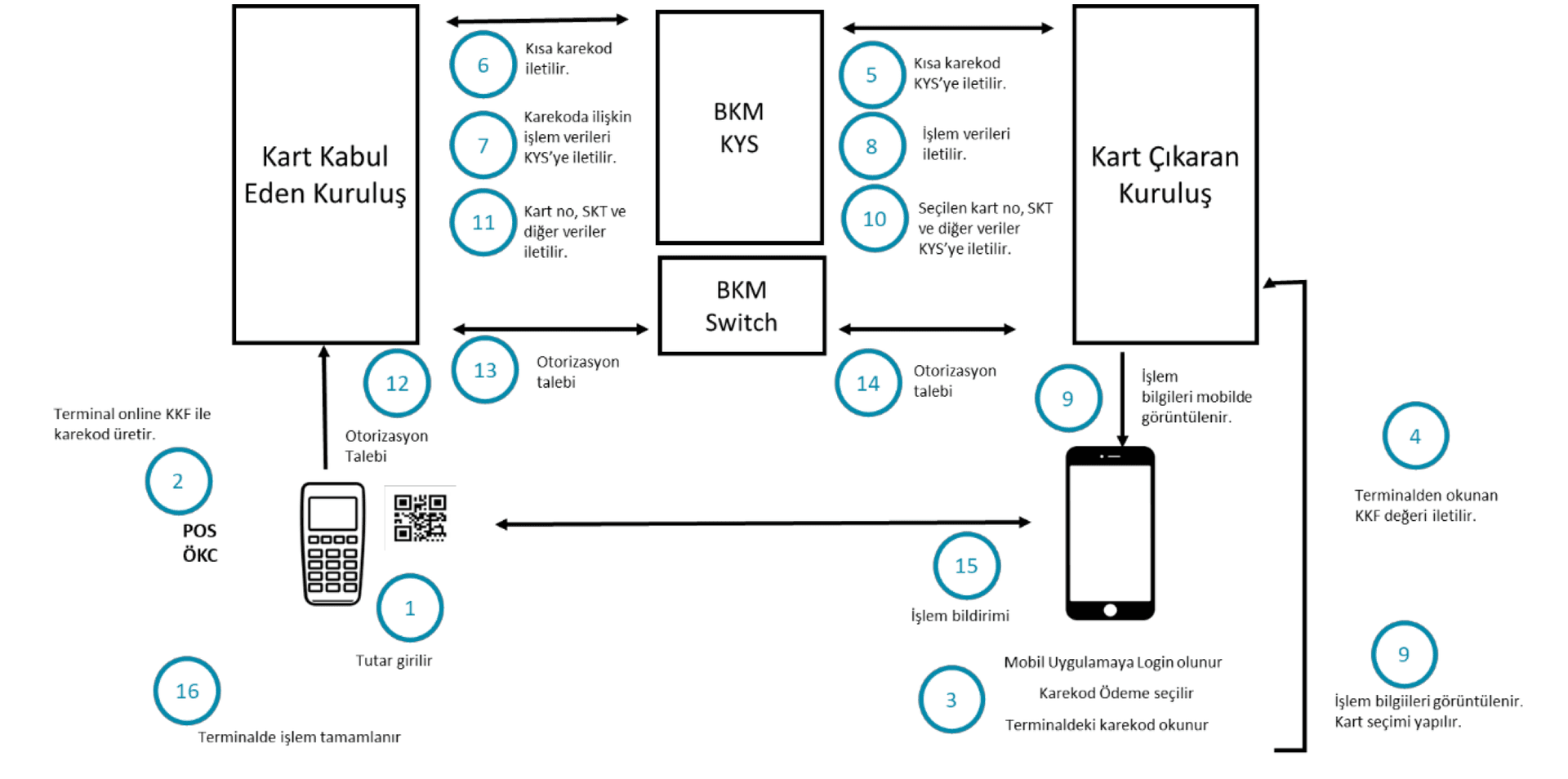
Why Am I Getting an Error When I Try to Pay with a TR QR Code?

In payment or cash withdrawal transactions, the TR QR Code is generated by the POS or ATM. The card issuing bank must build its systems to read and act on this code. Errors usually stem from mishandling the long and short QR code flows, which are explained here.

Screenshot of a mobile phone showing a digital payment screen, illustrating digitalization and payment systems

Merchant & POS

A look at April 23 through the lens of digitalization and payment systems

Today is April 23, the 100th anniversary of the opening of the Grand National Assembly. Taking Children's Day as a starting point, this post looks at digitalization, Generation Z, blockchain, biometric payments and the cashless society from a payment systems perspective.

Physical credit card compared with a virtual card on a mobile phone

Credit Card

Physical or Virtual Credit Card: Which Do You Prefer?

Digitalization is reshaping payment systems. Credit cards are moving from physical plastic to virtual cards, e-wallets and mobile payments. Will physical card use disappear completely? Here is a look at the trends, Generation Z and the remaining gaps.

Illustration of a card payment approved for a partial amount

Merchant & POS

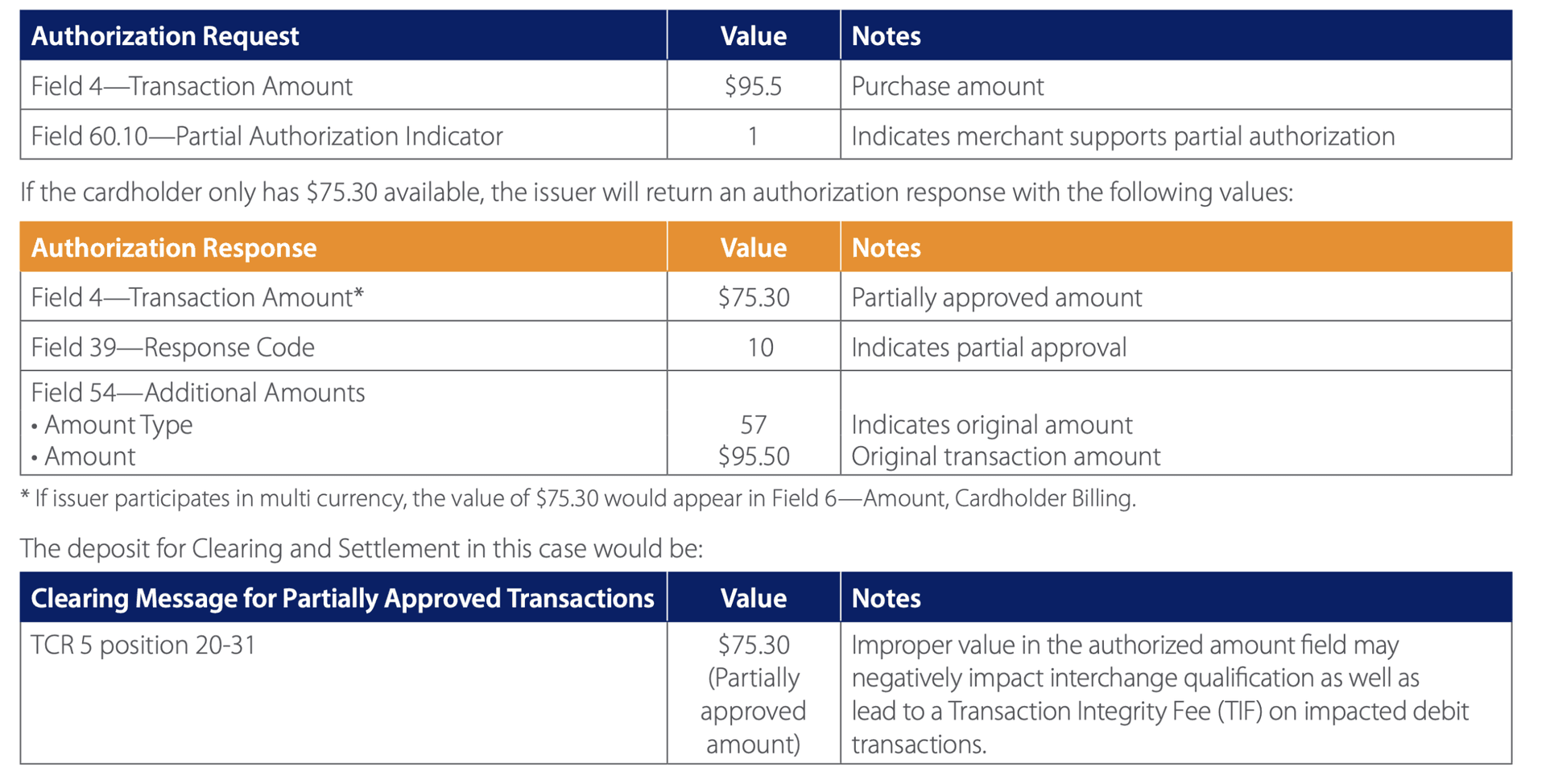
What Is Partial Authorization?

Partial Authorization lets an issuer approve part of a transaction instead of declining it when the balance or limit is insufficient. This post covers how it works in ISO 8583, whether it is mandatory, and why it matters for the business.

Architecture of 3DS 1.0 compared with 3DS 2.0, showing the issuer, interoperability and acquirer domains

Security

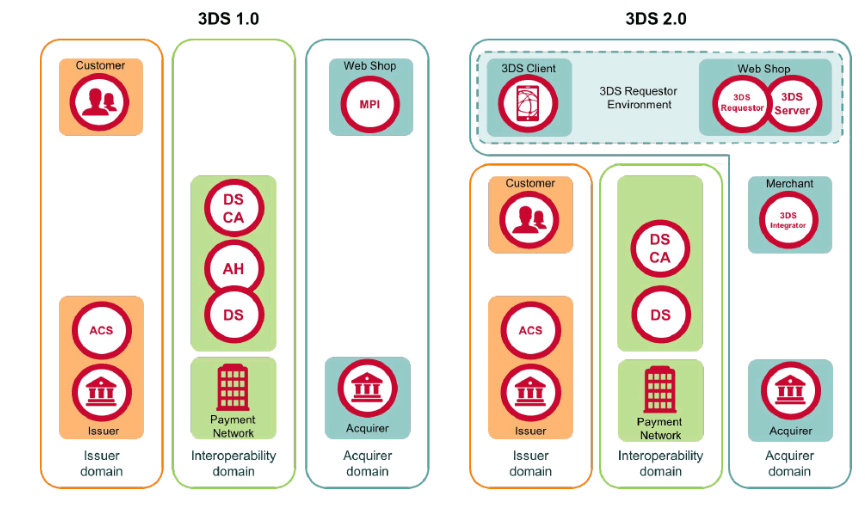
What Is 3D Secure 2.0?

Before 3D Secure 2.0, let's explain what 3D Secure is. 3D Secure is a two-layer payment authentication system that protects both the cardholder and the merchant in online payments. First released by Visa in 1999, it was later adopted by other card schemes…

Ingenico POS terminal illustrating POS brand and model

Merchant & POS

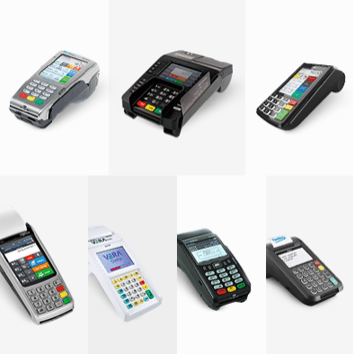
What does POS brand and model mean?

Just like a car, a POS device has a brand and a model, for example Ingenico ICT220 or Ingenico ICT250. Each model differs from the others: some have a contactless reader while others may not, and screens, memory and features vary.