Skip to content

Search

"issuer data"

70 articles found

EMV upper consecutive offline limit

Merchant & POS

What Is the Upper Consecutive Offline Limit?

The Upper Consecutive Offline Limit is the maximum number of consecutive offline transactions allowed by the issuer's chip card application on a terminal that cannot go online. It is held in tag 9F23.
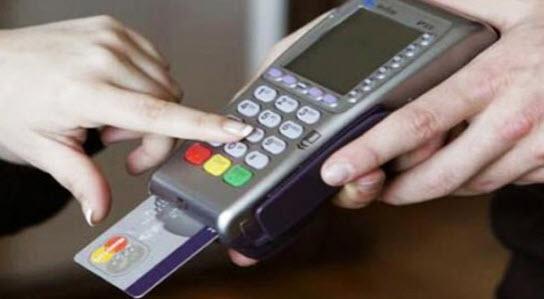

POS terminal processing an EMV chip card transaction

Credit Card

Application Interchange Profile (AIP)

The Application Interchange Profile indicates the application functions supported by the card. The AIP values and their descriptions are given below. Where is the AIP found? The AIP is a 2-byte piece of data stored on the card, carried under EMV tag 82.

Diagram showing the structure of ISO 8583 field F48 (Additional Data)

ISO 8583

ISO 8583 Field Descriptions (F48)

DE 48 - ADDITIONAL DATA: these are additional data fields that can be used specifically for transactions. It is 255 characters long. Field F48 carries many pieces of information and is divided into PDS (Private Data Subelements).

Screenshot of an Address Verification Service (AVS) response code table

Merchant & POS

What is Address Verification Service (AVS)?

Address Verification Service (AVS) is a fraud prevention system that helps limit fraud and chargebacks when used effectively. It verifies that the address a customer enters matches the cardholder's address on file with the issuer.

Cover of the EMVCo Software-based Mobile Payment Security Requirements document

Security

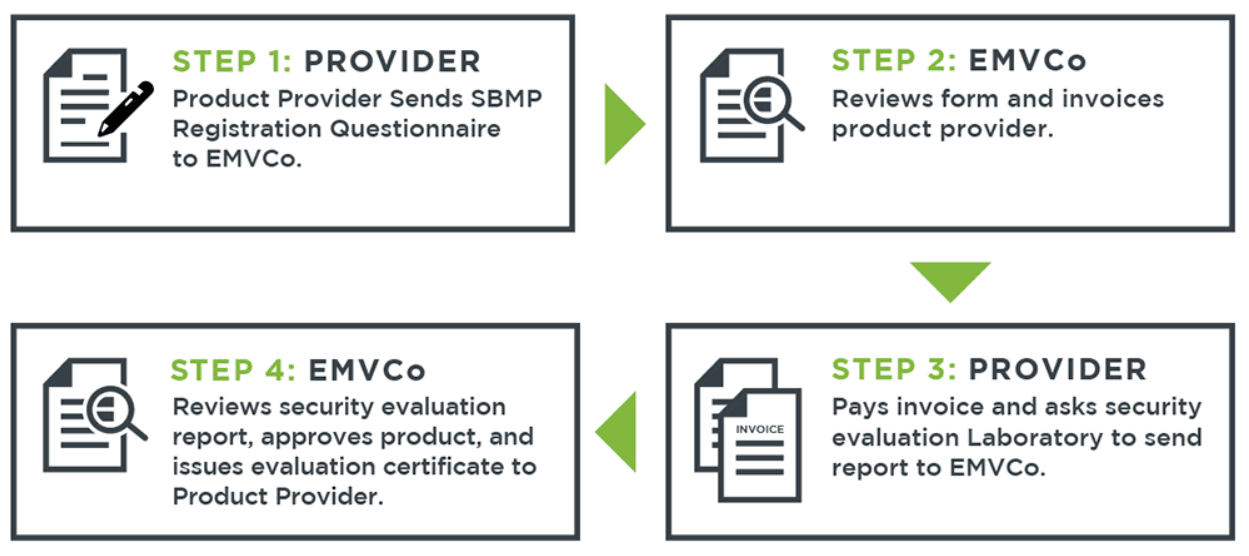
What is Software-based Mobile Payment Security Requirements?

“Software-based Mobile Payment Security Requirements” is a document published by EMVCo in April 2020 to guide payment application developers in building secure payment applications. This post summarizes its purpose and who it concerns.

Diagram illustrating TCR (Transaction Record Component) packets used in payment clearing and settlement files

Payment Systems

What Is TCR (Transaction Record Component)?

TCR stands for Transaction Record Component, the packets that carry transaction information in a clearing system. Transaction types in a clearing file are distinguished by transaction code and usage code values, and this data is sent inside TCR packets.

Diagram showing the structure of an ISO 8583 message

ISO 8583

What Fields Make Up ISO 8583?

We covered the ISO 8583 basics in an earlier article. This post explains the ISO 8583 message structure in detail: every ISO 8583 message consists of three main parts - the MTI (Message Type Indicator), the Bitmap, and the Data Elements.

PIN pad device connected to a POS terminal

Merchant & POS

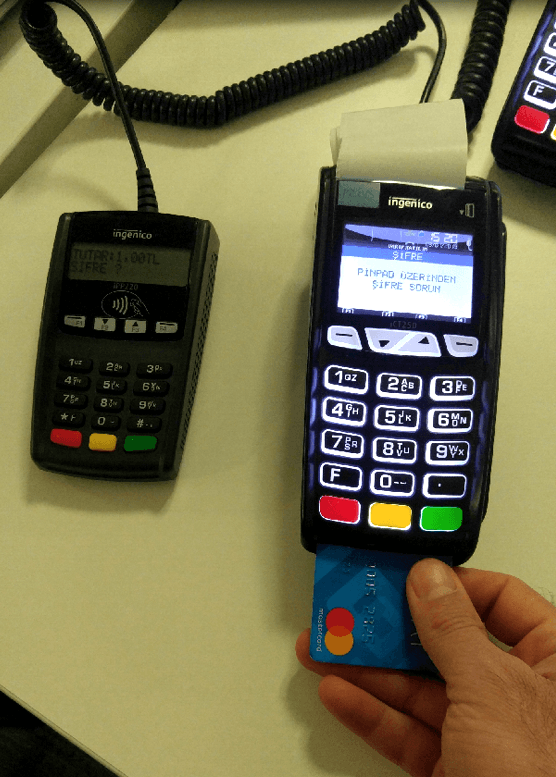
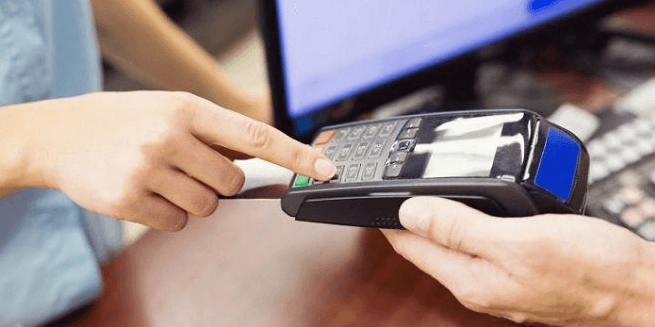
What Is a PIN Pad Device?

A PIN pad lets cardholders safely enter their PIN during POS transactions and lets contactless cards be tapped to transfer card data to the POS. Here is how it works.

EMV Application Preferred Name tag 9F12 illustration

Credit Card

What Is Application Preferred Name?

Application Preferred Name is an optional alphanumeric EMV data element of 1–16 characters, sent in tag 9F12. It is stored on the card and gives the card application a more descriptive name than the Application Label.

Illustration of customer-based contactless card limit management

Payment Systems

Can a Card's Contactless Limit Be Managed on a Per-Customer Basis?

Contactless payment has greatly improved the user experience, yet its fixed transaction limit is a common complaint. Can this limit be managed dynamically per customer? This post covers the current situation, technical and regulatory requirements and the outlook.