Skip to content

Search

"authentication"

65 articles found

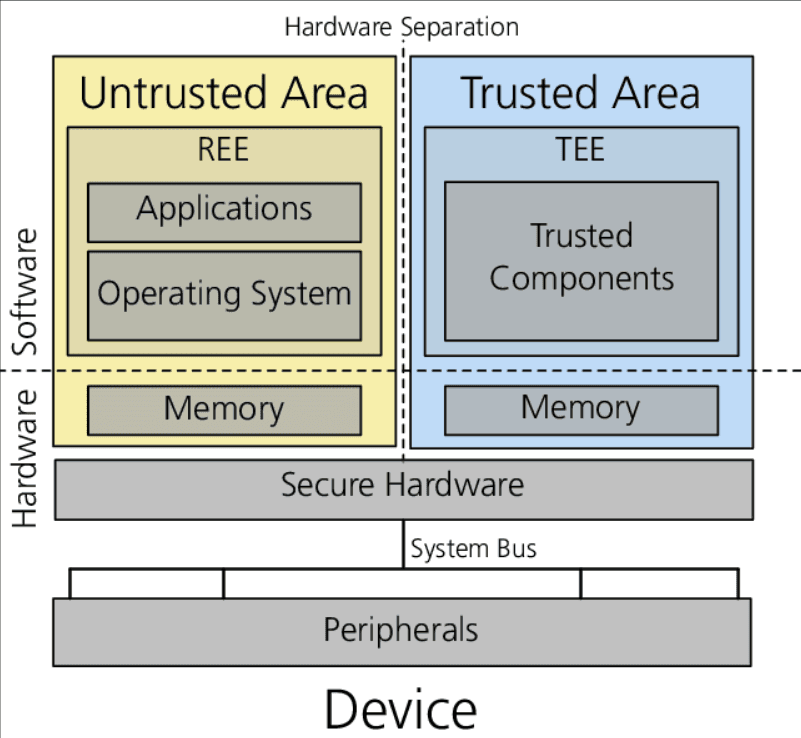
Diagram illustrating a Trusted Execution Environment (TEE) architecture

HSM & Security

What is TEE (Trusted Execution Environment)?

A Trusted Execution Environment (TEE) is an environment where executed code and accessed data are isolated and protected in terms of confidentiality (no one has access to the data) and integrity (no one can alter the code or its behavior). We may not realize it, but many…

Illustration representing payment instruments such as cards and mobile devices

Payment Institutions & E-Money

What is a payment instrument?

Law No. 6493 on Payment and Securities Settlement Systems, Payment Services and Electronic Money Institutions defines a payment instrument as a personalized device such as a card, mobile phone, or password.

Payment terminal screen displaying the Application Label of a card

Credit Card

What Is Application Label?

A mandatory alphanumeric field, 1-16 characters, sent in tag 50 of EMV transactions, representing a name related to the card application's AID in the ADF.

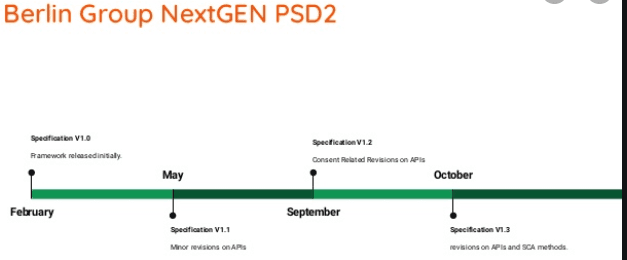
Diagram illustrating the NextGenPSD2 framework for open banking APIs

Open Banking

What Is NextGenPSD2?

NextGenPSD2 is the set of API standards launched by the Berlin Group in 2017, now involving more than 1,700 banks from 20 countries. This post explains what the framework offers to banks, fintechs and third-party providers under PSD2.

Illustration of a phone scam call impersonating a bank

Security

We're Calling From the Bank, Your Account Has Been Compromised...

Fraud cases where scammers pose as bank staff or other institution employees to obtain citizens' banking information have increased significantly recently. Interestingly, the new fraud trend closely mirrors the steps of a genuine banking procedure.

ATM machine targeted by jackpotting attacks

ATM

ATM Hacking Attacks Are on the Rise!

ATMs hold large amounts of cash, which keeps them in fraudsters' sights. Diebold Nixdorf and NCR report that jackpotting attacks have reached the United States. Here is what happened and what precautions can improve ATM security.

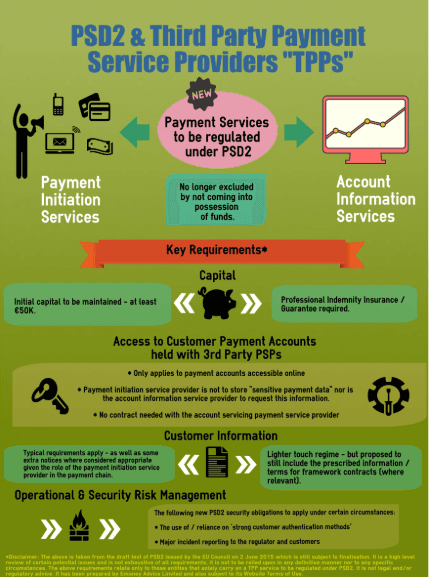
Diagram illustrating the PSD (Payment Services Directive) regulatory framework

Merchant & POS

What is PSD (Payment Services Directive)?

PSD stands for Payment Services Directive, known as the Payment Services Law. It took effect in EU countries in 2009, and in 2015 new revisions were announced as PSD1, aiming to build an efficient, fast, secure, and competitive payment market.

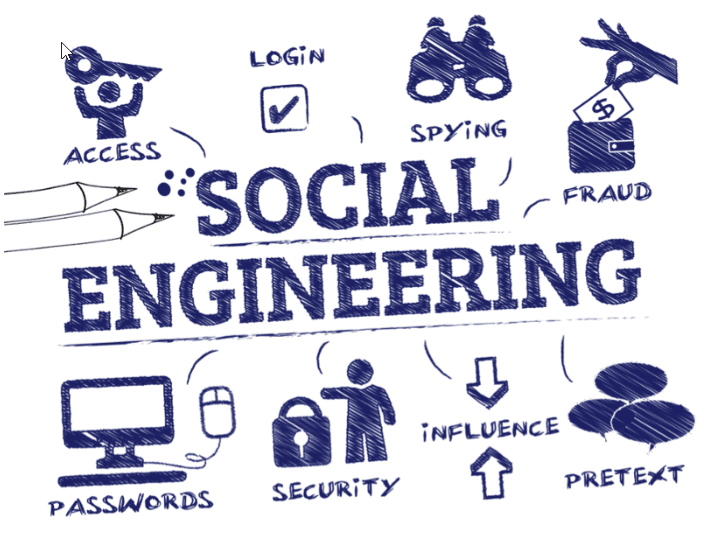
Computer-based social engineering attack illustration

Security

What Is Computer- and Technology-Based Social Engineering?

Social engineering is the art of obtaining information people should normally keep private by exploiting the human factor. In its computer- and technology-based form, the information is obtained through technology.

Example of a 3D Secure verification screen displaying a Personal Assurance Message

Security

What is PAM (Personal Assurance Message)?

PAM (Personal Assurance Message) is a message that users set up for 3D Secure transactions. It appears on the password screen during checkout and confirms to the user that the screen truly comes from their own bank.

Diagram showing the structure of an ISO 8583 message

ISO 8583

What Fields Make Up ISO 8583?

We covered the ISO 8583 basics in an earlier article. This post explains the ISO 8583 message structure in detail: every ISO 8583 message consists of three main parts - the MTI (Message Type Indicator), the Bitmap, and the Data Elements.

GO Secure Payment logo

Merchant & POS

What Is Secure Payment (GO)?

GO Secure Payment is a system developed by BKM that verifies cardholders using a one-time password (OTP) during online purchases made with TROY cards, providing banks with a secure verification platform without needing to store card data.

Diagram showing the structure of ISO 8583 field F48 (Additional Data)

ISO 8583

ISO 8583 Field Descriptions (F48)

DE 48 - ADDITIONAL DATA: these are additional data fields that can be used specifically for transactions. It is 255 characters long. Field F48 carries many pieces of information and is divided into PDS (Private Data Subelements).