EMV
What Is the Application Block Command?
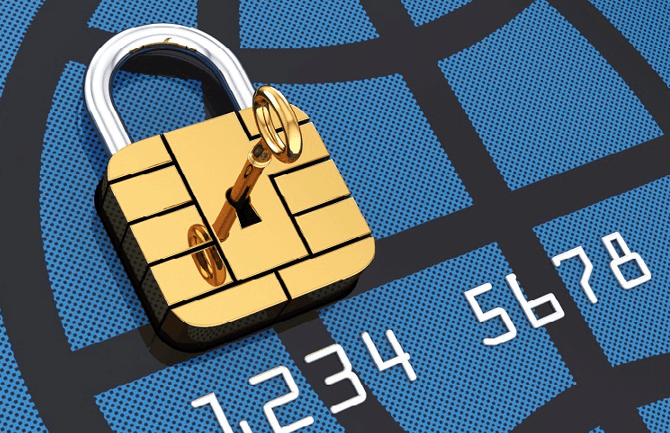
The Application Block command is sent to invalidate the selected application on a card after the card has been issued. Unlike Card Block, it can be reversed.
Search
83 articles found
EMV
The Application Block command is sent to invalidate the selected application on a card after the card has been issued. Unlike Card Block, it can be reversed.
HCE
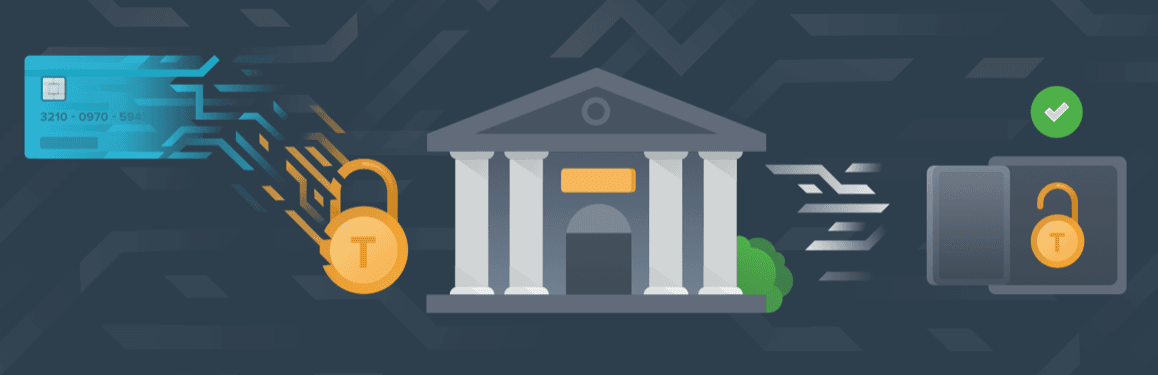
A tokenized card number replaces a physical card number so transactions can be carried out securely. It is generated by the TSP (Token Service Provider), used by the cardholder or merchant, and travels across the payment systems network.

Merchant & POS
A reader asked whether installment mail order transactions are still possible, and whether a card limit equal only to the installment amount is enough. This article shares the answer.

Payment Systems
Elon Musk was set to unveil Neuralink, a brain-computer interface. What is Neuralink, and how might payment systems change if payments, cards, ATMs and POS devices move from phones to a chip in the brain?

Merchant & POS
Partial authorization lets an issuer approve part of the requested amount when the card lacks the full balance, with the rest paid another way. This post covers the technical, receipt, clearing, reconciliation, merchant and certification requirements for acquirers.
Merchant & POS
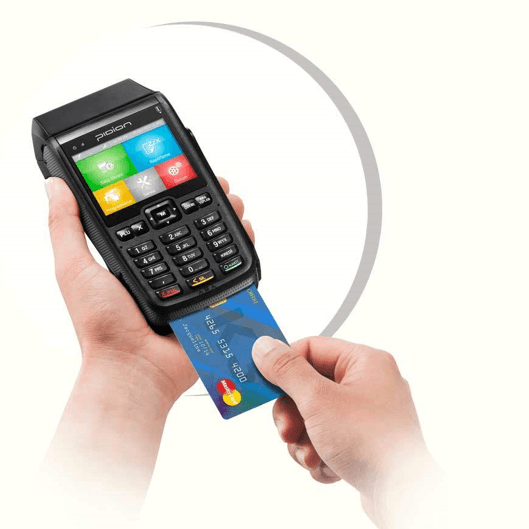
Contains the EMV steps performed by the Terminal in a transaction. The TSI fields, their possible values, and descriptions of the values are shown below.

ISO 8583
F25 - POINT OF SERVICE (POS) CONDITION CODE is the field that defines the condition under which a POS transaction was performed. Possible values include 00 Normal presentment, 01 Customer not present, 02 Unattended terminal, and more.
ISO 8583
F23 - CARD SEQUENCE NUMBER: Information used to distinguish cards sharing the same card number. For example, the Card Sequence Number is incremented by 1 when a card is renewed. In an authorization transaction, if the F22 value is '05x'...
Merchant & POS
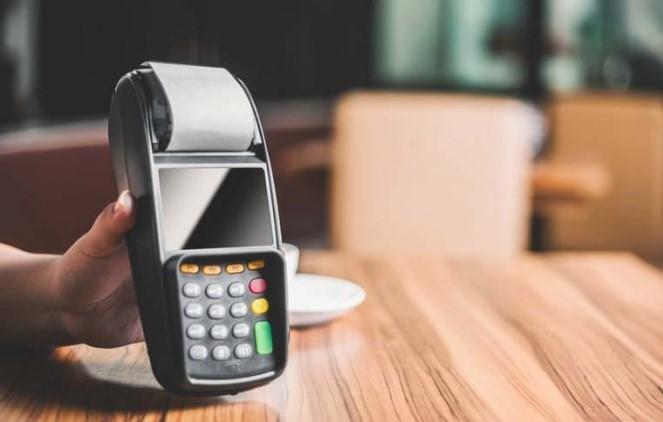
A POS is a functional device with its own dedicated software, customized to the authorization system of the bank it is connected to, that accepts credit or debit cards. The POS and the authorization system communicate using the ISO 8583 standard.

FAST
The FAST limit, which was decided on 4 August 2021 to be raised to 2,000 TL, has been raised to 2,000 TL as of today. Instant payment volumes are expected to grow further as EFT volumes decline.
Credit Card
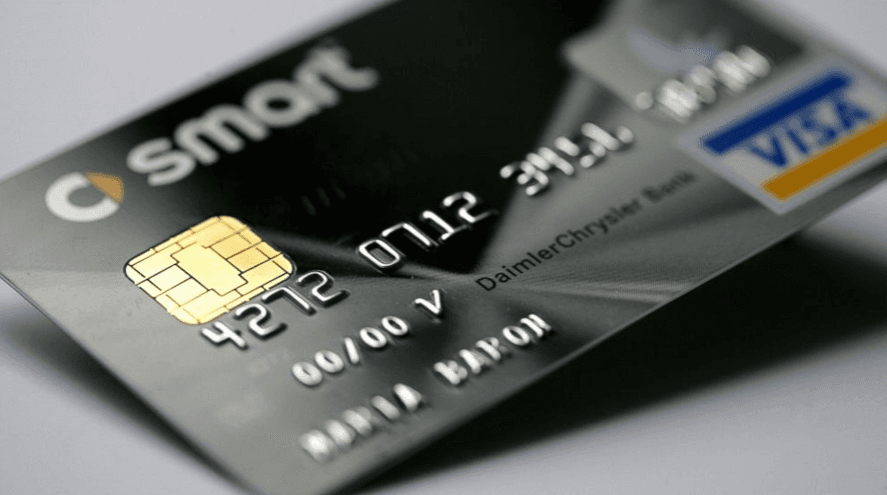
If your card's chip won't read, the chip data is likely corrupted or the POS's chip reader is faulty. This is usually caused by magnetic interaction with another card's chip.
Merchant & POS
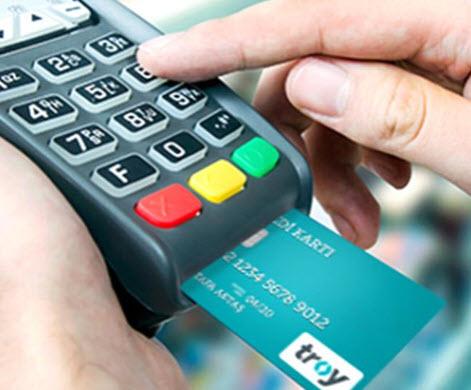
In the world of payment systems, both the issuer (the cardholder's bank) and the acquirer (the POS/ATM bank) must follow certain rules for card transactions made through a POS terminal or an ATM. Responding to transactions within a certain time is one of these rules.