Skip to content

Search

"Chip Card"

114 articles found

Table listing the EMV chip specifications used by Visa, Mastercard, American Express, JCB, Discover, and UnionPay

EMV

What are EMV Schemes?

EMV standards form the foundation for chip cards to work on terminals worldwide, but each scheme - VSDC (Visa), M/Chip (Mastercard), AEIPS (Amex), J Smart (JCB), D-PAS (Discover), and UICS (UnionPay) - defines its own keys, rules, and card profiles.
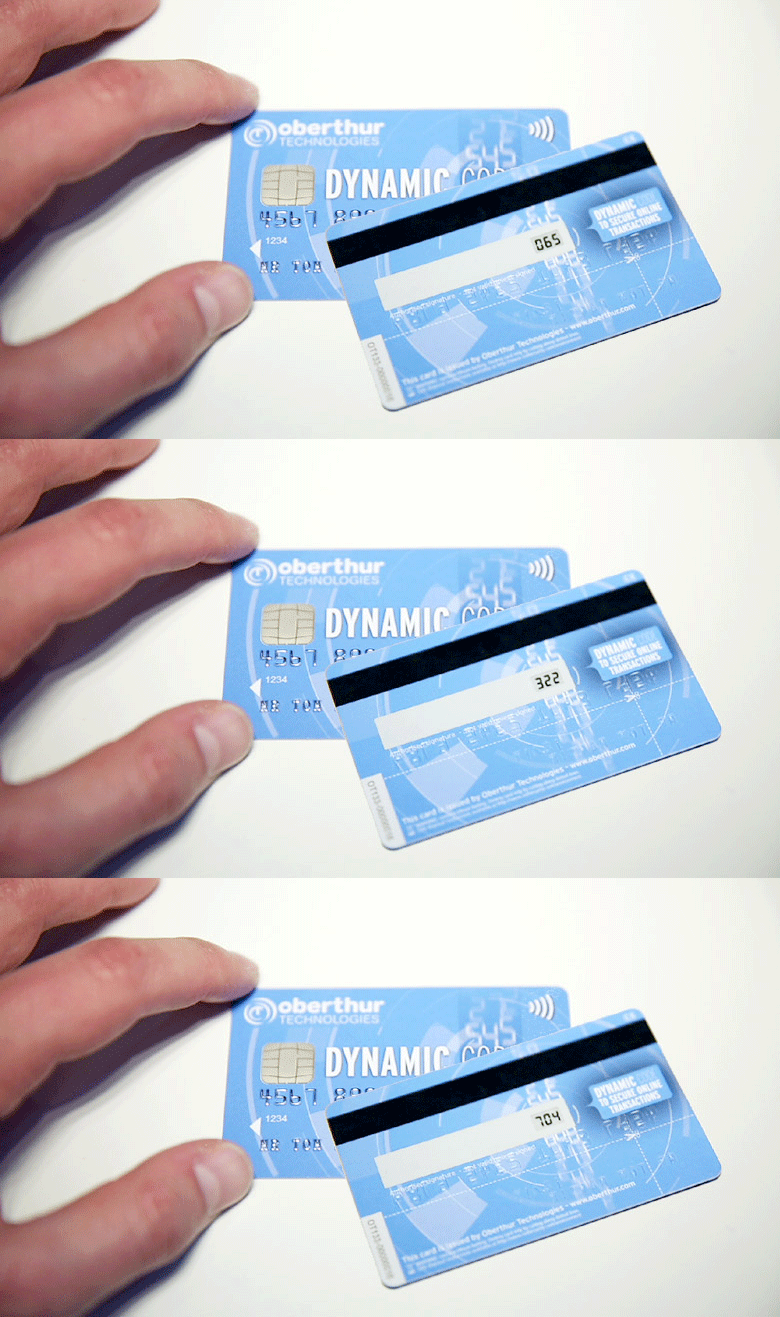
Animated illustration of a credit card representing dynamic security code technology

Credit Card

What is a Dynamic Card Security Code (CSC)?

It is a CVV2/CVC2 code that changes every few minutes instead of the static code printed on the back of a credit card, aimed at reducing fraud risk in CNP (Card Not Present) transactions.

Diagram explaining how a pre-authorization transaction works on a credit card

Merchant & POS

What Is a Pre-Authorization Transaction?

An operation that allows a credit card's limit to be blocked for a period, due to the nature of the product or service sold. Preferred mainly by companies in travel, tourism, and car rental.

Diagram showing the pre-authorization closing process flow on a POS terminal

Merchant & POS

What Is Pre-Authorization Closing?

Pre-authorization closing turns a pre-authorized transaction into a financial one, posting it to the merchant and cardholder accounts. See how amounts and available limit are affected.

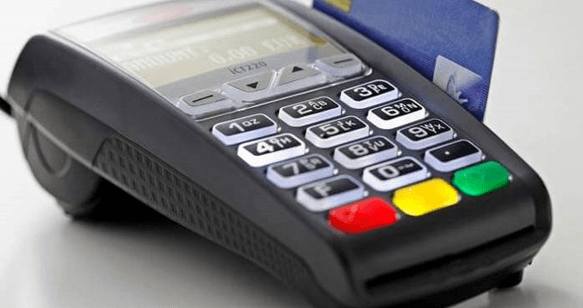
POS terminal device used to process chip card payments

Merchant & POS

What is Application Usage Control (AUC)?

AUC (Application Usage Control) specifies restrictions that limit an application by geography or by specific transaction types. It is a 2-byte data element in Tag 9F07. If present, the terminal performs checks such as whether the transaction is at an ATM.

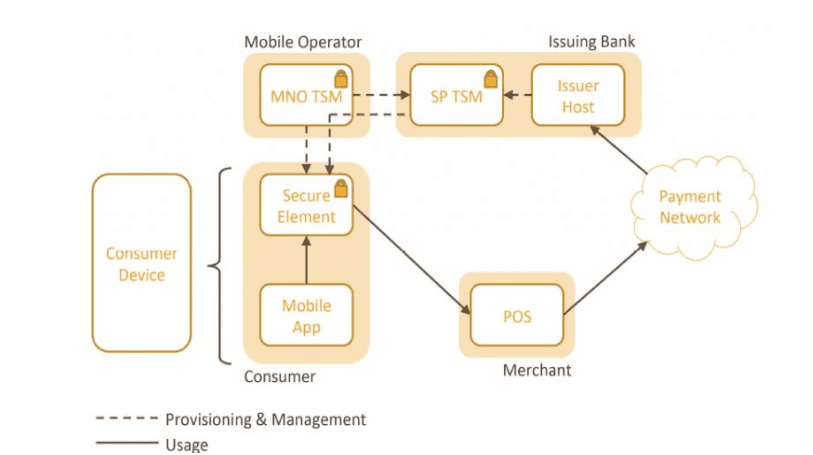
Diagram illustrating the role of a Secure Element Issuer in mobile payments

HSM & Security

What is a Secure Element Issuer?

Secure Element Issuer is the stakeholder that provides, maintains, and updates the secure element in cases where mobile payment application and card data are stored in the secure element inside a mobile phone.

Illustration of POS terminal certification testing for Visa and MasterCard payment schemes

Merchant & POS

What are Visa ADVT & VpTT and MasterCard M-TIP?

In order for a bank's POS devices to process transactions with payment scheme cards (Visa, MasterCard, Troy, etc.), they must pass certain test and control steps. Visa and MasterCard have test tools that include test cards and test scenarios for this purpose…

Diagram illustrating the structure of an ISO 8583 message field

ISO 8583

ISO 8583 Field Descriptions (F14)

F14 - DATE, EXPIRATION DATE: the expiration date printed on the card by the issuing bank, a 4-digit numeric value in YYMM format. See how it's checked and why the YYMM order matters.

Diagram illustrating the difference between Online PIN and Offline PIN verification in card payments

Payment Systems

What are Online and Offline PIN? Can PIN be bypassed?

Online PIN is verified by the card-issuing institution through the message itself, while Offline PIN is verified on the chip. This article explains the difference and when PIN bypass is allowed.

Illustration showing different card printing methods

Credit Card

What Are the Card Printing Types?

While it is true that, with technological advancement, the trend of using payment transactions without a physical card via mobile phones has increased, there are many reasons why cards are still physically printed and delivered to customers.

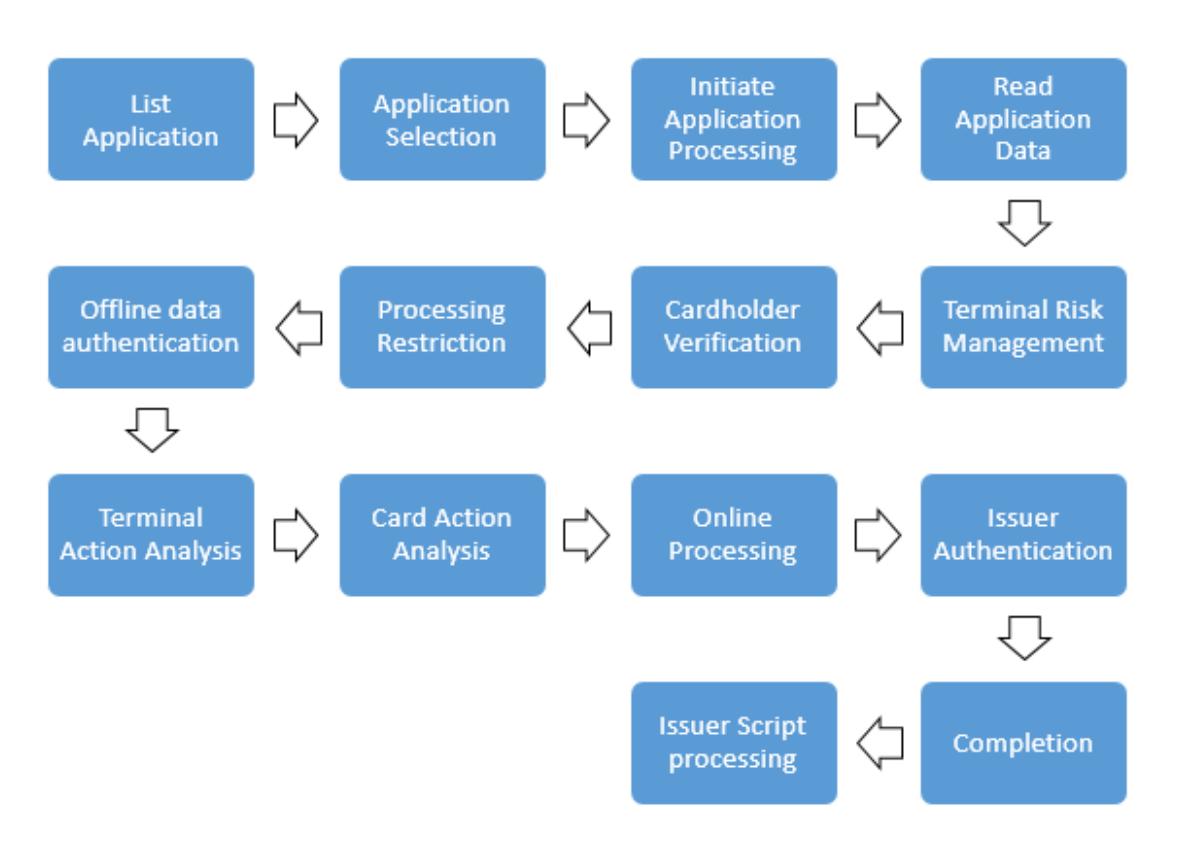
Diagram of the EMV application selection flow between the terminal and the card

Merchant & POS

EMV Chip Transaction Processing - What Is Application Selection?

In EMV transactions, Application Selection is the process of choosing among the applications supported by both the card and the terminal. It is the first stage of authorization, so it is very important. This post covers the PSE and List of AIDs methods.

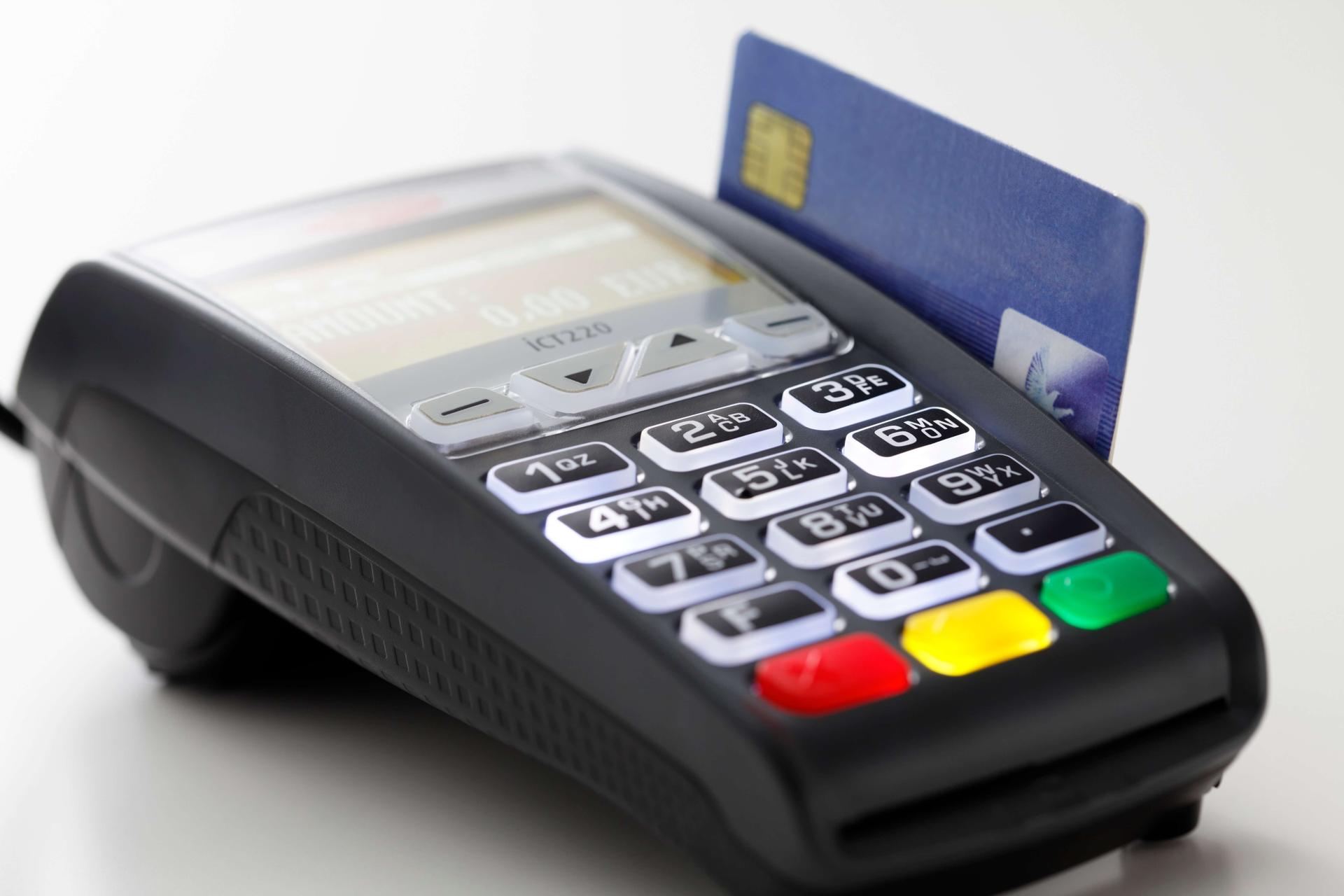
POS terminal processing an EMV chip card transaction

Credit Card

Application Interchange Profile (AIP)

The Application Interchange Profile indicates the application functions supported by the card. The AIP values and their descriptions are given below. Where is the AIP found? The AIP is a 2-byte piece of data stored on the card, carried under EMV tag 82.