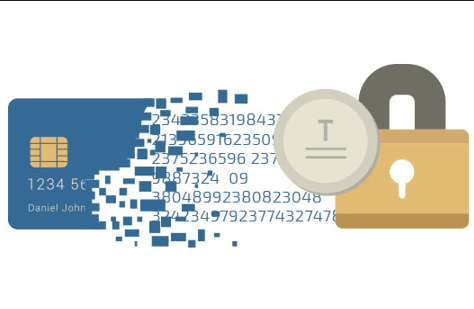
HCE
Comparing Digitization and Tokenization
Tokenization and digitization are two important terms in mobile payments that are easily confused and often used interchangeably. What is the difference between digitization and tokenization?
Search
116 articles found
HCE
Tokenization and digitization are two important terms in mobile payments that are easily confused and often used interchangeably. What is the difference between digitization and tokenization?

Merchant & POS
A Card Recovery Bulletin is a list of problem cards (lost, stolen, expired, over-limit, counterfeit or otherwise flagged) published by card schemes such as Visa or MasterCard. It shows whether a card number is listed on the date of purchase.

ATM
ATMs generally hold your bank/credit card inside the card reader slot until the transaction is completed. Fraudsters insert foreign objects such as paper or adhesive-coated cards into the reader to trap the customer's card inside.
Merchant & POS
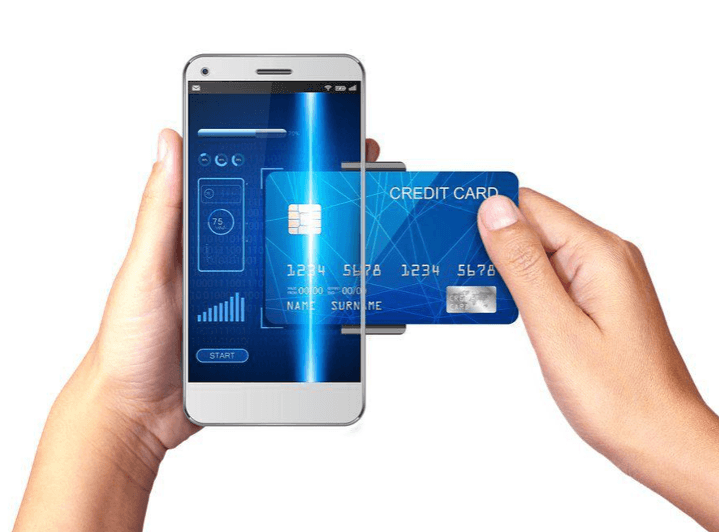
The digital form of Point of Sale (POS) systems is called Digital POS. There is also a software-only subtype called Virtual POS. After Mobile POS (mPOS) and Virtual POS usage became widespread, the term digital POS came to refer to these two products.

Security
Fraud cases where scammers pose as bank staff or other institution employees to obtain citizens' banking information have increased significantly recently. Interestingly, the new fraud trend closely mirrors the steps of a genuine banking procedure.
HSM & Security
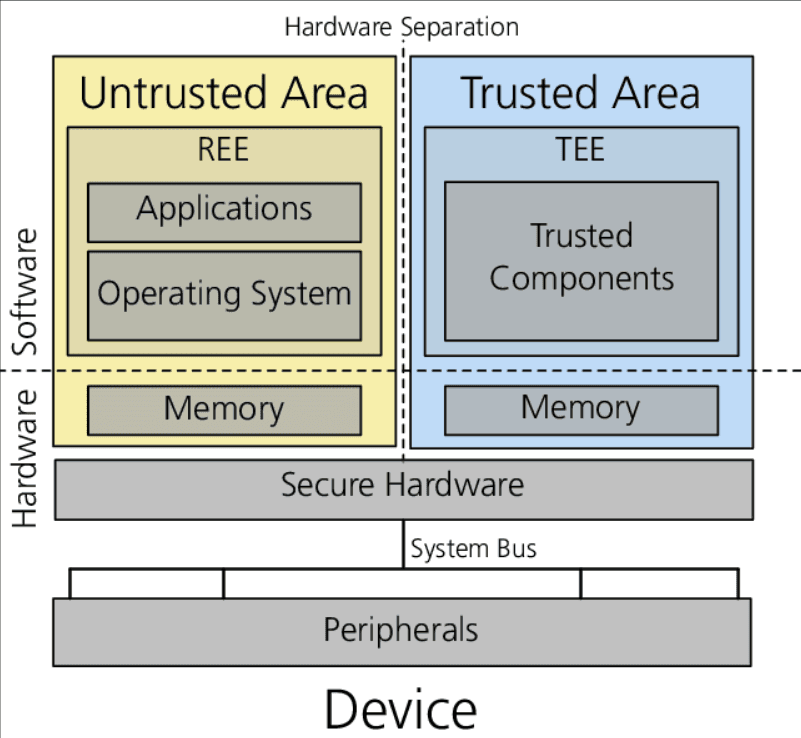
A Trusted Execution Environment (TEE) is an environment where executed code and accessed data are isolated and protected in terms of confidentiality (no one has access to the data) and integrity (no one can alter the code or its behavior). We may not realize it, but many…
Payment Systems
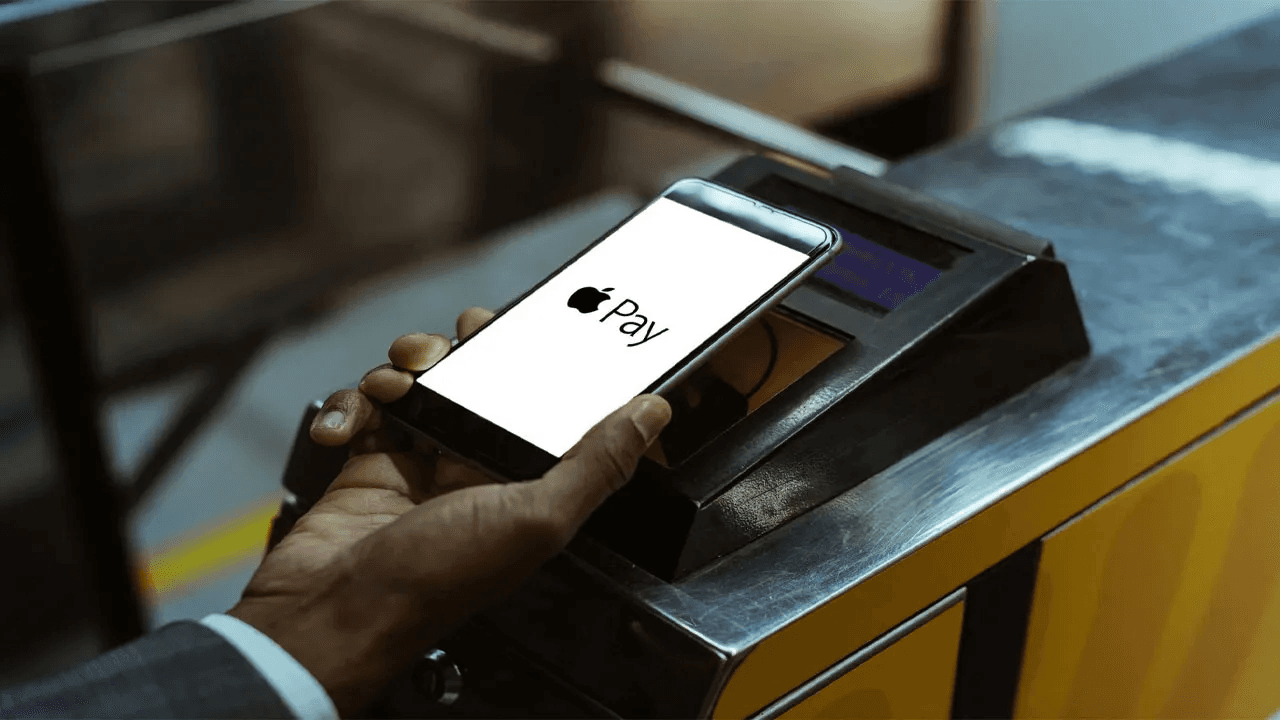
Under the EU Digital Markets Act, Apple will let third-party developers in the European Economic Area offer NFC contactless payments inside iOS apps without Apple Pay or Apple Wallet, opening the way for banks and payment services to launch their own tap-to-pay solutions.

Fraud
With the growth of credit and debit card usage and rising e-commerce transaction volumes, there has been a serious increase in exploiting user negligence to harm customers. Fraud means using someone else's card at a merchant or ATM to gain unjust profit.

Agentic Commerce
The next customer on the internet may not be human. If AI agents become part of purchasing decisions, the rules of e-commerce, marketing, and payment systems could change.
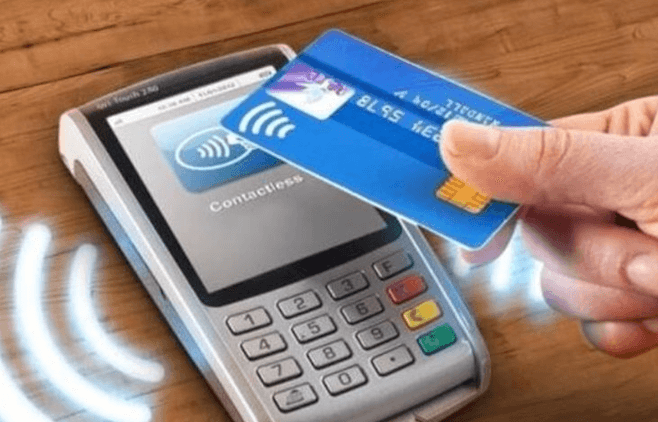
Contactless
It is important to use contactless cards to prepare our payment habits for the future. In Turkey, one in every 3 cards and one in every 4 POS terminals is contactless-enabled, yet usage remains around 5%.
Payment Institutions & E-Money
On 7 October 2023, the CBRT amended the Communiqué on Information Systems of Payment and E-Money Institutions and Data Sharing Services of Payment Service Providers, first published on 1 December 2021. Links to the new text, a comparison table and a detailed summary of changes follow.

HCE
The HCE cloud-based security infrastructure consists of four main pillars: Tokenization, Risk Management, Session Keys, and User/Device Authentication. Tokenization indicates the type of token generation, and there are three different tokenization methods.