Skip to content

Search

"risk"

215 articles found

Illustration of a closed-loop payment ecosystem growing through loyalty, data, and new services

Closed-Loop Payments

Why Do Closed-Loop Payment Systems Want to Grow? | Series #6

Why does a coffee chain build its own loyalty program, and why does a payment app keep adding services? This post looks at how loyalty, data, and new services drive the growth of closed-loop payment systems, and at the financial layers behind that growth.

Contactless card payment on a POS terminal abroad

Credit Card

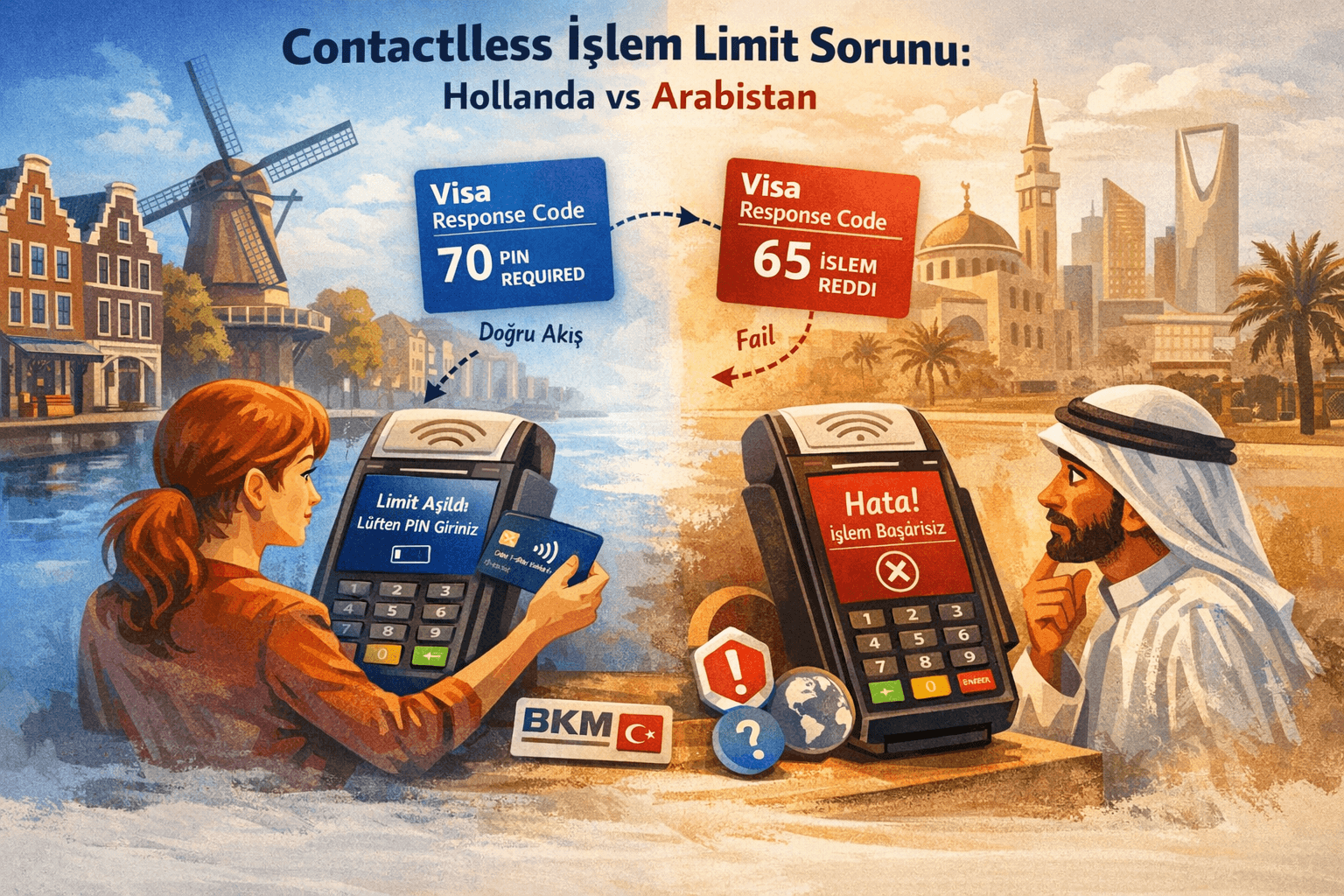
On the Issue with Visa Contactless Transactions Abroad...

From the outside, Visa contactless looks simple, but once the limit is exceeded and PIN comes into play it gets deeper. Why do response codes 65 and 70 behave so differently on POS devices in different countries, such as the Netherlands and Saudi Arabia?

Diagram illustrating the appeal stage of the card dispute and chargeback process between issuer, acquirer and card scheme

Payment Systems

What Is an Appeal? What Does It Mean in Payment Systems?

In payment systems, an “appeal” is the process of objecting to the outcome of a transaction dispute. It is usually discussed alongside chargebacks, but it plays a critical role in interbank dispute resolution, when a party asks the card scheme to re-evaluate a concluded decision.

Cover of the Visa Merchant Data Standards Manual document

Merchant & POS

What Is the “Merchant Data Standards Manual”? How Can I Access It?

Visa's Merchant Data Standards Manual covers classification, identification and data standard requirements for merchants, payment facilitators and marketplaces, including merchant naming, location and MCC rules. Here is what it contains and where to find it.

Illustration representing communication protocols used in POS payment systems

Merchant & POS

What Are POS Sub-Protocols and Their Use Cases in Turkey?

In payment systems, every exchange between POS devices and bank or payment institution systems runs on a specific messaging standard, generally based on ISO 8583. However, each country, bank, or switch network defines its own version of this standard.

Diagram of the online authorization flow for below-CVM-limit contactless transactions

Payment Systems

Domestic Flow Change Made for Below-CVM-Limit Online Contactless Transactions

The domestic authorization flow for below-CVM-limit online contactless transactions has changed. Issuers can now ask the cardholder for a PIN or request card insertion instead of simply approving or declining. This post explains the CVM list and the new DE48 PDS22 and DE39 = 65 message flows.

Payment transaction success rate metric

Merchant & POS

What Is the Transaction Success Rate?

The Transaction Success Rate (TSR) is a key performance metric measuring the percentage of attempted payment transactions that complete successfully, and a critical indicator of overall payment health.

Bank card shown in temporarily blocked status before delivery to the customer

Payment Systems

Why Are Cards Printed as Temporarily Blocked Before Being Sent to the Customer?

Cards are delivered to customers by courier, and at several points along that chain a card could theoretically be intercepted. To prevent misuse before delivery, banks print new and Lost/Stolen replacement cards as Temporarily Blocked, activating them only once the customer receives them.