
Skip to content

Search

"ISO 8583"

59 articles found

Diagram showing the structure of an ISO 8583 message

ISO 8583

What Fields Make Up ISO 8583?

We covered the ISO 8583 basics in an earlier article. This post explains the ISO 8583 message structure in detail: every ISO 8583 message consists of three main parts - the MTI (Message Type Indicator), the Bitmap, and the Data Elements.
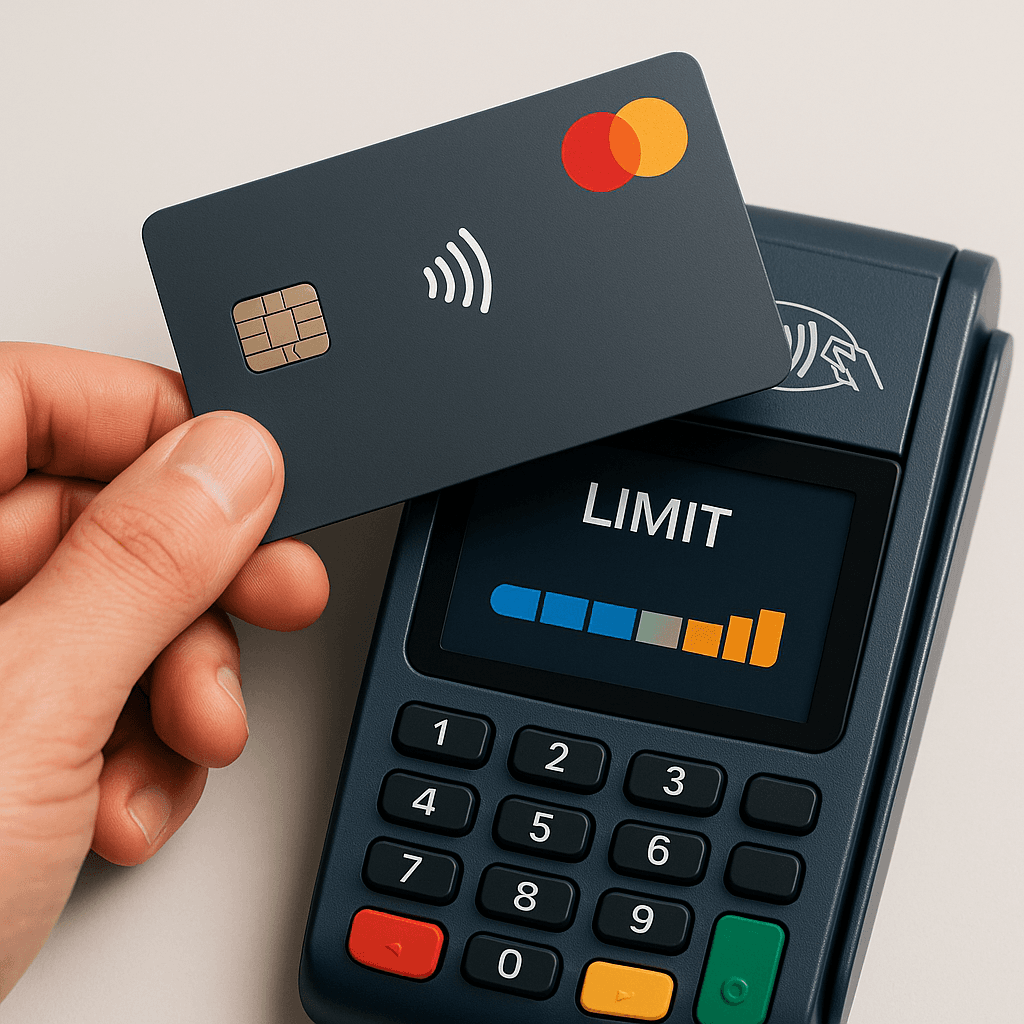
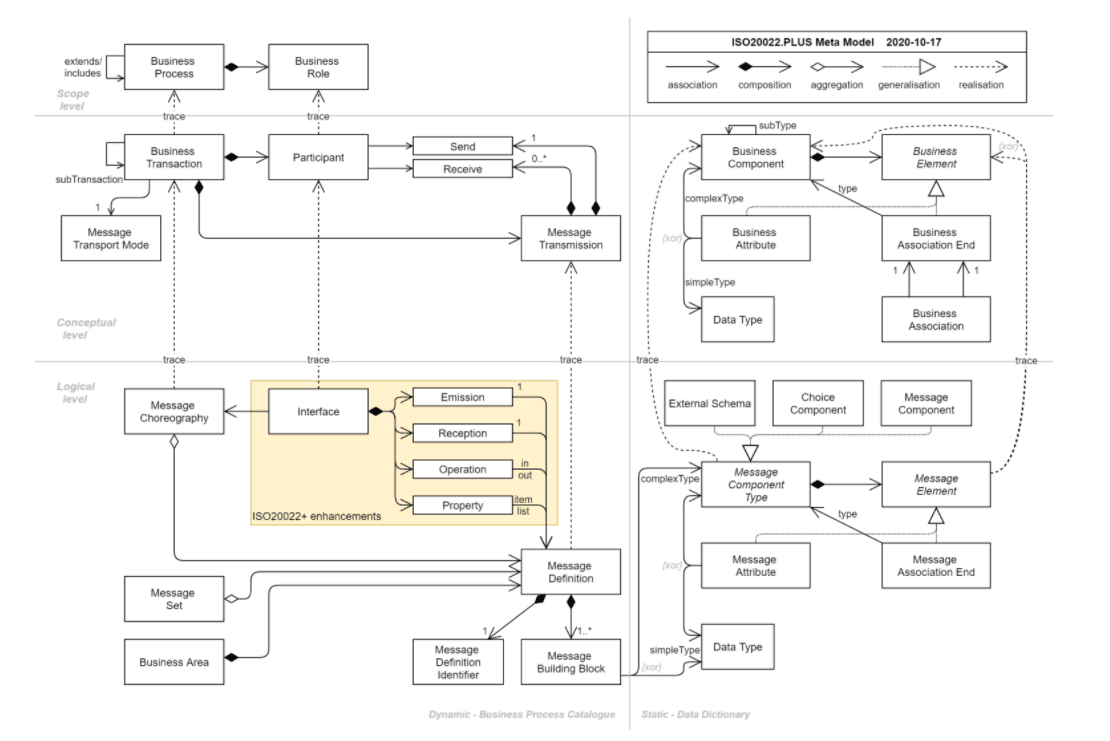
Diagram showing how card transaction data flows through the ISO 8583 messaging standard

Merchant & POS

What is ISO 8583?

Introduction: When a card (credit card/debit card/prepaid card) is used at an ATM or POS, data must be carried securely between systems. For example, in a store sale, the POS initiates the transaction, which must reach the cardholder's bank intact.

ISO 8583 field 13 local transaction date

ISO 8583

ISO 8583 Field Descriptions (F13)

DE 13 — Date, Local Transaction: the date on which the transaction took place at the point of transaction (ATM, POS). It is 4 digits in MMDD format.

ISO 8583 field 19 acquiring institution country code

ISO 8583

ISO 8583 Field Descriptions (F19)

F19 — Acquiring Institution Country Code: the country to which the location of the acquiring bank's device (ATM, POS, etc.) belongs.

ISO 8583 F124 field structure and subfield breakdown

ISO 8583

ISO 8583 Field Descriptions (F124)

F124 (Private Additional Data) contains additional information specific to the transaction, such as Card Update Failure Code and Status, cardholder name in money transfers, and keys in network management messages.

ISO 8583 field 64 message authentication code

ISO 8583

ISO 8583 Field Descriptions (F64)

F64 — Message Authentication Code (MAC): verifies the origin and text of the message between the sender and the receiver.

Diagram illustrating the ISO 8583 F39 response code field

ISO 8583

ISO 8583 Field Descriptions (F39)

F39 - RESPONSE CODE: This is the code showing whether the transaction was approved or declined. It is 2-digit alphanumeric. Typically 00 is sent when approved, and a decline reason code is sent when declined.

ISO 8583 field 34 primary account number extended

ISO 8583

ISO 8583 Field Descriptions (F34)

F34 — Primary Account Number, Extended: this field is filled when the card number cannot be placed in F2 because it is longer than 19 digits or contains special characters.

Diagram illustrating the structure of an ISO 8583 message field

ISO 8583

ISO 8583 Field Descriptions (F14)

F14 - DATE, EXPIRATION DATE: the expiration date printed on the card by the issuing bank, a 4-digit numeric value in YYMM format. See how it's checked and why the YYMM order matters.

Illustration of ISO 8583 message field layout used for field F47

ISO 8583

ISO 8583 Field Descriptions (F47)

F47-ADDITIONAL DATA (NATIONAL) is the field reserved for domestic additional information. In Turkey, it carries the BKM Unique ID in authorization transactions and data specific to KKPT (card-to-card transfer) transactions.

Illustration of dynamic CVM limit management for contactless card payments

Payment Systems

Dynamic CVM Limit Management Approach: A New Era in Card Security

One of the most notable recent developments in card payments is that contactless limits are no longer fixed and can be managed dynamically per customer. Mastercard and Visa are taking different but complementary approaches, and ISO 8583 may need to evolve with them.

Diagram illustrating the ISO 20022 financial messaging standard

Payment Systems

What Is ISO 20022?

There are standards that keep payment systems running smoothly and reliably. One of these is ISO 20022. So what is ISO 20022, and why was it created? It is an international, XML-based financial messaging standard developed in 2009.