Skip to content

Search

"ISO standards"

34 articles found

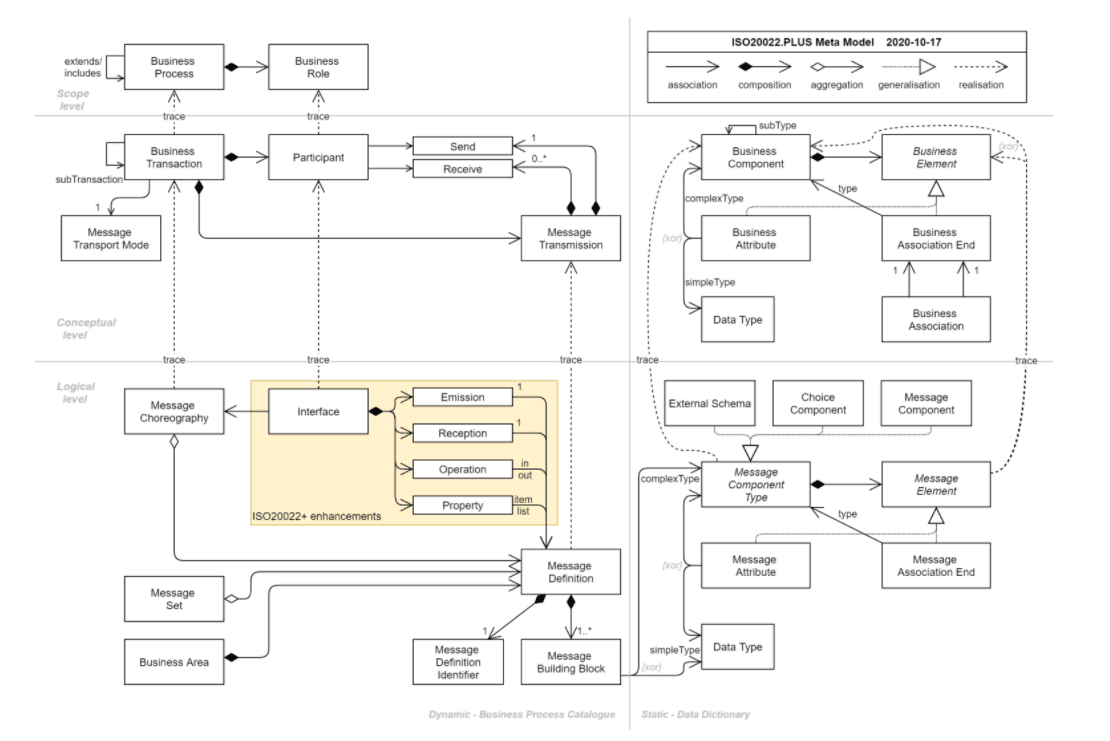
Diagram illustrating the ISO 20022 financial messaging standard

Payment Systems

What Is ISO 20022?

There are standards that keep payment systems running smoothly and reliably. One of these is ISO 20022. So what is ISO 20022, and why was it created? It is an international, XML-based financial messaging standard developed in 2009.
No image

Payment Systems

What Is ISO/TC 68?

ISO/TC 68 is a technical committee within the International Organization for Standardization in Geneva, responsible for developing and maintaining international standards for banking, securities and other financial services.

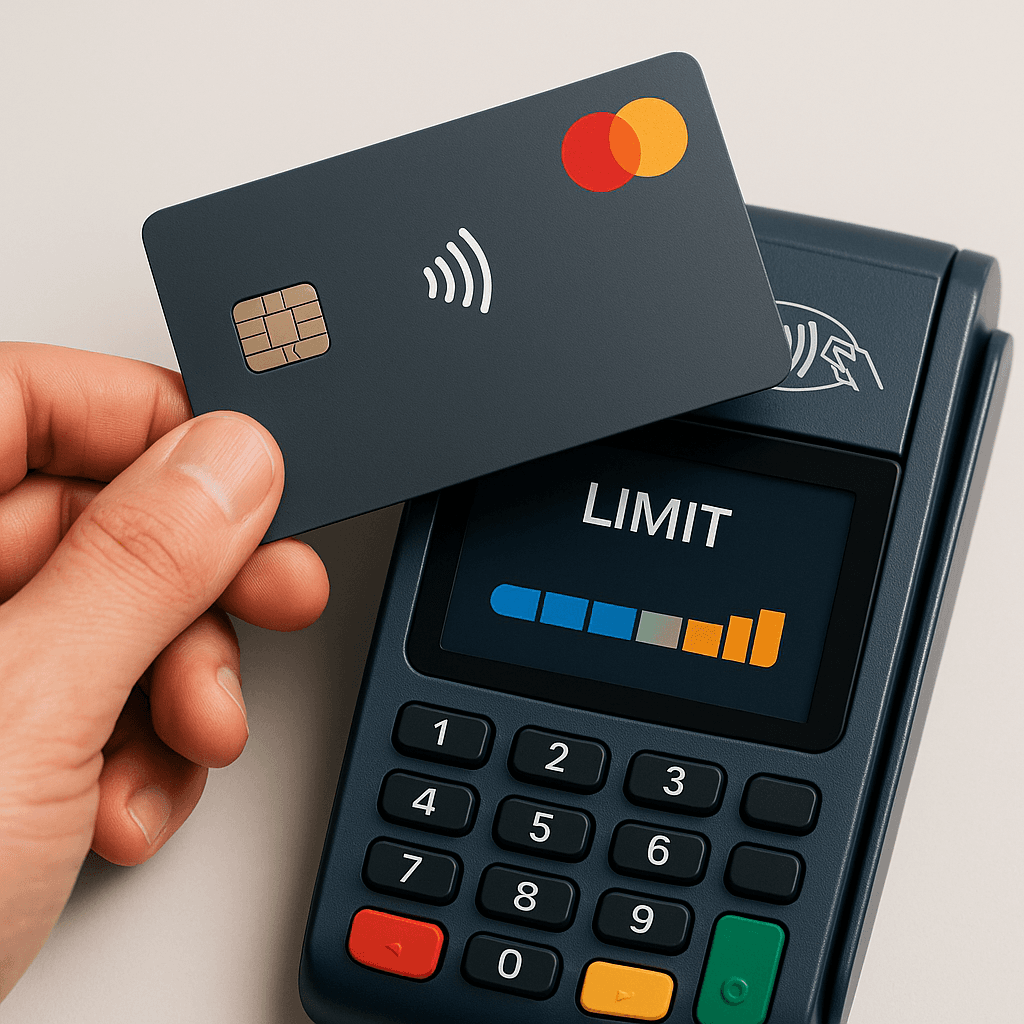
Illustration of dynamic CVM limit management for contactless card payments

Payment Systems

Dynamic CVM Limit Management Approach: A New Era in Card Security

One of the most notable recent developments in card payments is that contactless limits are no longer fixed and can be managed dynamically per customer. Mastercard and Visa are taking different but complementary approaches, and ISO 8583 may need to evolve with them.

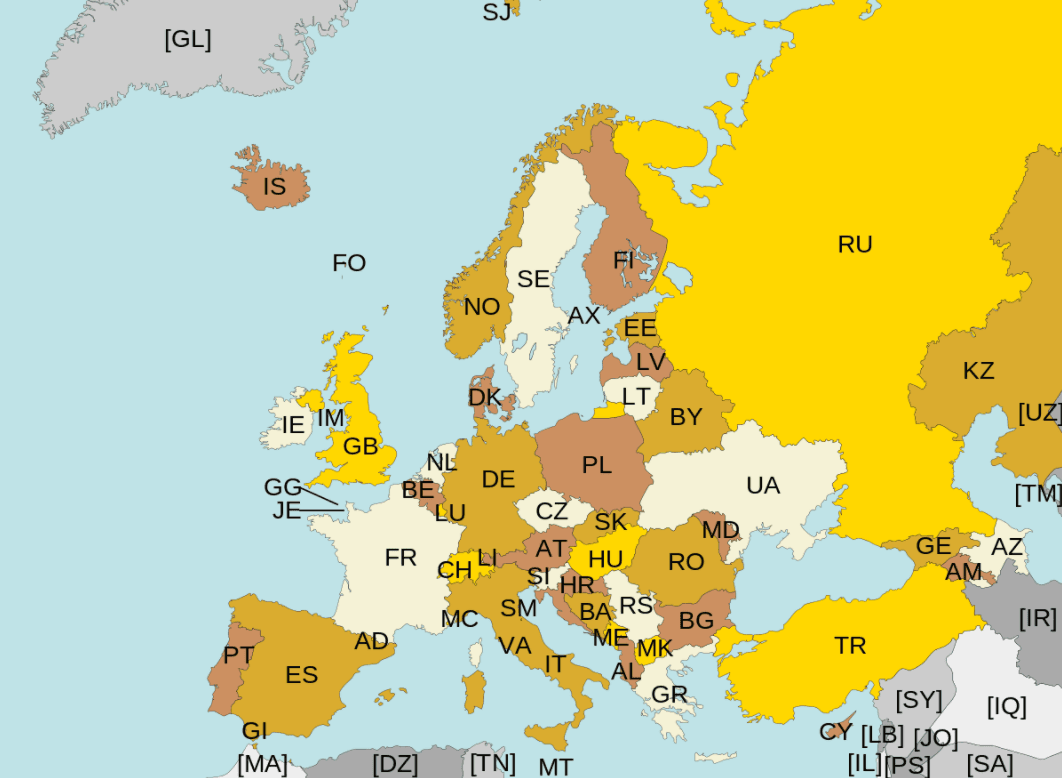
ISO 3166 country codes illustration

Payment Systems

What Is ISO 3166?

ISO 3166 is a standard published by the International Organization for Standardization (ISO) for coding the names of countries, autonomous regions, provinces and states. It consists of three parts.

Diagram showing the structure of an ISO 8583 message

ISO 8583

What Fields Make Up ISO 8583?

We covered the ISO 8583 basics in an earlier article. This post explains the ISO 8583 message structure in detail: every ISO 8583 message consists of three main parts - the MTI (Message Type Indicator), the Bitmap, and the Data Elements.

Illustration representing communication protocols used in POS payment systems

Merchant & POS

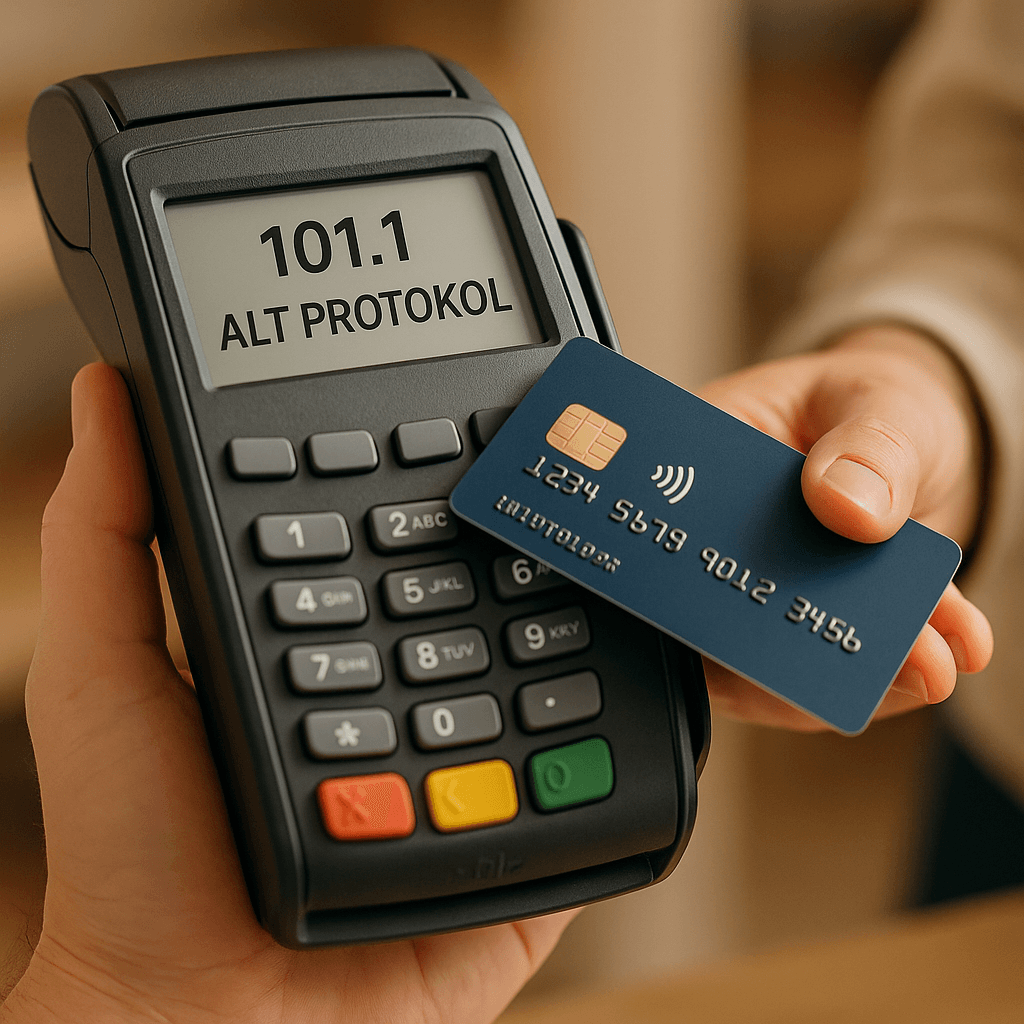
What Are POS Sub-Protocols and Their Use Cases in Turkey?

In payment systems, every exchange between POS devices and bank or payment institution systems runs on a specific messaging standard, generally based on ISO 8583. However, each country, bank, or switch network defines its own version of this standard.

Illustration of ISO 18245 merchant category codes (MCC)

Payment Systems

What Is ISO 18245?

ISO 18245 is an ISO standard on the management of Merchant Category Codes (MCC) in retail financial services. ISO 18245: 2003 defines the code values used to classify merchants by the type of business, trade or service they provide.

Reference table of ISO country codes including two-letter, three-letter, and numeric codes

ISO 8583

ISO Country Codes

In ISO messaging standards, country codes sent in fields such as F43, F19, F20, and F21 must follow a specific standard. Below is the country code list and details used for ISO, including 2-character, 3-character, and numeric codes.

Table listing ISO 4217 currency codes, numeric codes, and minor units for countries worldwide

ATM

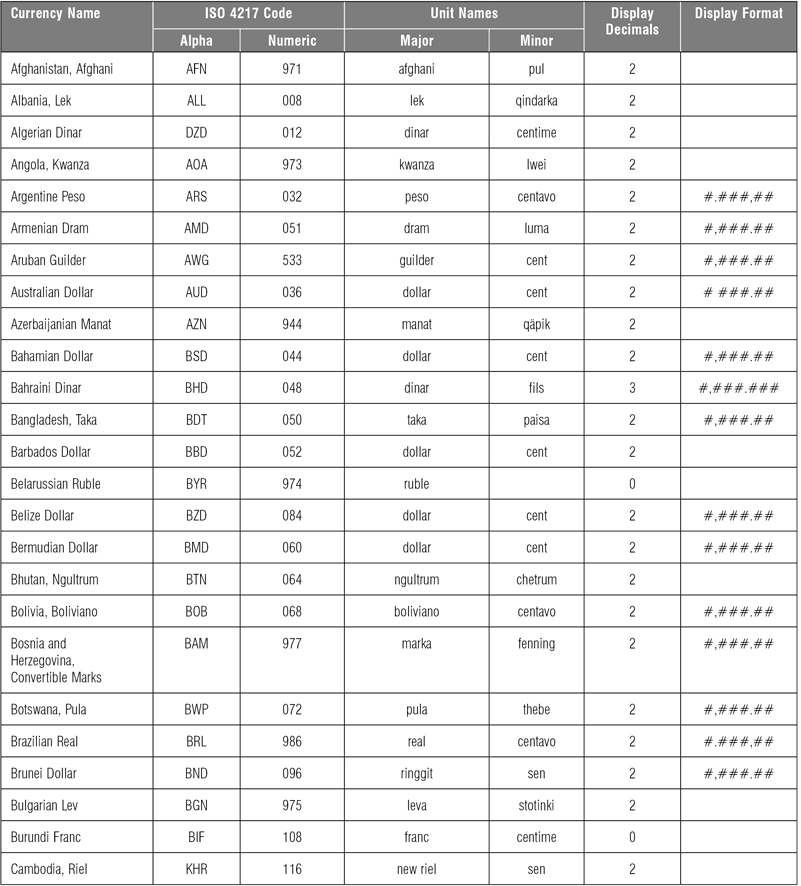
What is ISO 4217?

ISO 4217, also known as the currency code standard, defines the three-letter abbreviations assigned to currencies. The ISO 4217 code list is used extensively in banking and business. In some countries, exchange offices rely on these codes alone.

Diagram showing how card transaction data flows through the ISO 8583 messaging standard

Merchant & POS

What is ISO 8583?

Introduction: When a card (credit card/debit card/prepaid card) is used at an ATM or POS, data must be carried securely between systems. For example, in a store sale, the POS initiates the transaction, which must reach the cardholder's bank intact.

Illustration of a smart card chip related to the ISO/IEC 7816 standard

Credit Card

What is ISO/IEC 7816?

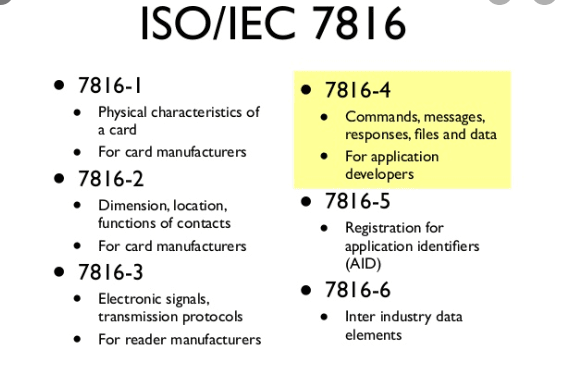
ISO/IEC 7816 is an international standard jointly maintained by ISO and IEC, covering contact-based electronic identification cards, especially smart cards. It consists of 15 different parts, each covering a different aspect of smart card technology.

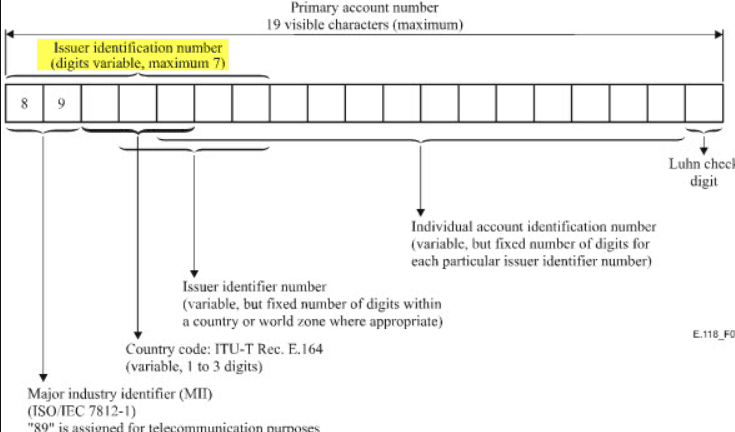
Illustration of a payment card numbering structure under the ISO/IEC 7812 standard

Credit Card

What is ISO/IEC 7812?

ISO/IEC 7812 is a standard that primarily describes the card numbering system and the application and registration procedures. Identification cards, in physical or digital form, are an integral part of operations in many industries.